
What is the P0297 fault code?
The P0297 code is a generic OBD-II powertrain code that indicates a vehicle overspeed condition. It applies to most brands (Ford, Nissan, Suzuki, Dodge, Chevrolet, Jeep, Subaru, etc.), although specific repair procedures may vary.
This code is triggered when the Powertrain Control Module (PCM) detects, via the Vehicle Speed Sensor (VSS), that the actual speed has exceeded the programmed maximum limit, often set at 100 mph (approximately 160 km/h) on North American vehicles.
System Operation and Symptoms
When the speed limit is reached, the PCM cuts the fuel injector signal to reduce engine power and lower the speed. Normal operation resumes once an acceptable speed is restored.
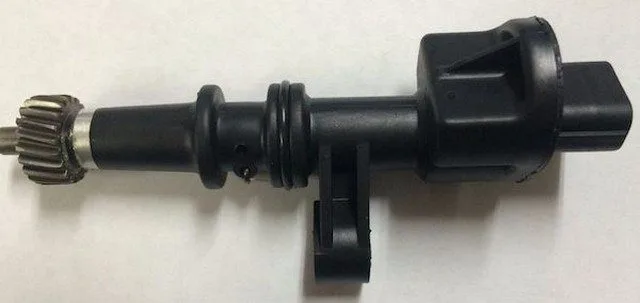
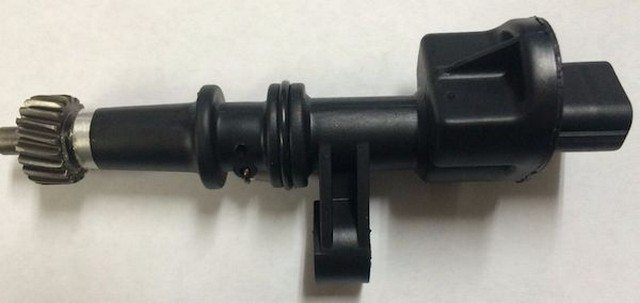
The Vehicle Speed Sensor (VSS) is typically an electromagnetic sensor mounted on the transmission. It reads the rotation of a reluctor ring attached to the output shaft. The notches on the ring interrupt the sensor’s magnetic field, generating a signal that the PCM interprets as the vehicle’s speed.
Symptoms of the P0297 Code
The severity of this code can vary. It is often accompanied by:
- No visible symptoms (most common case)
- Abnormal transmission shifting
- Presence of other fault codes related to the transmission or ABS
- Illumination of the Malfunction Indicator Lamp (MIL)
Warning: If the code is accompanied by transmission problems, urgent intervention is recommended.
Possible Causes of the P0297 Fault
Several elements can be the cause of this code:
- The vehicle was actually driven beyond its maximum speed limit.
- Faulty or failing Vehicle Speed Sensor (VSS).
- Damaged or dirty reluctor ring.
- Mechanical problem with the transmission.
- Short-circuited VSS electrical circuit (causing an erroneous signal).
- Poor connection or corroded connector.
Diagnosis and Repair Procedures
To diagnose a P0297 code, you will need an OBD2 scanner, a digital multimeter (DVOM), and access to your vehicle’s technical data.
Step 1: Initial Check and Code Clearing
Start by checking if the vehicle actually traveled at an excessive speed. Connect your scanner, retrieve all fault codes and freeze frame data, then clear the codes. Test the vehicle to see if the P0297 code reappears. If it does not return, the problem was likely temporary.
Step 2: Inspection and Testing of the VSS Sensor
If the code persists, inspect the VSS sensor and its connector for any visible damage. Disconnect the connector and test the sensor’s resistance with a multimeter. Compare the measured value with the manufacturer’s specifications. A sensor outside the specifications must be replaced.
Step 3: Checking Electrical Circuits
If the sensor is good, check for the presence of reference voltage (usually 5V) and a good ground at the VSS connector (engine off, ignition on).
- No reference voltage? Check the corresponding circuit back to the PCM for a possible broken wire or faulty connector.
- No ground? Consult the wiring diagrams to locate and inspect the system ground.
- A short to power is a common cause of an erroneous overspeed signal.
Step 4: Advanced Diagnosis and Conclusion
If the power and ground are correct, test the continuity of all circuits in the VSS system with the relevant control modules disconnected. If all circuits are intact and the problem persists, a faulty PCM is possible, although rare.
Reminder: The most frequent cause of the P0297 code remains an actual exceeding of the speed limit. A PCM failure is extremely rare.
Need Help?
Electrical diagnosis can be complex. If you are not comfortable with these procedures, consult a professional mechanic for an accurate diagnosis and safe repair.