
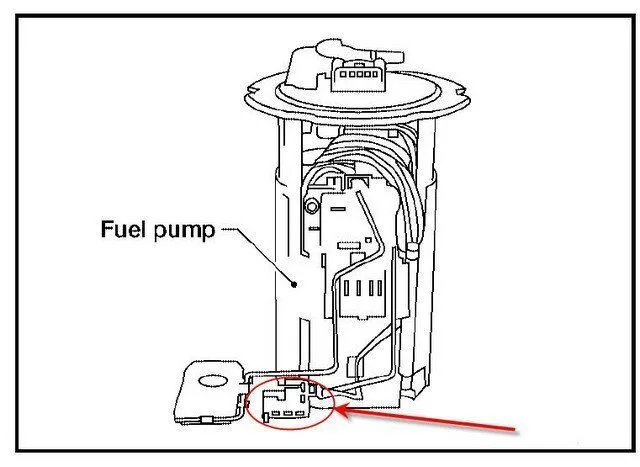
Code P0180: Fuel Temperature Sensor A Circuit Malfunction
The diagnostic trouble code P0180 is a generic powertrain code applicable to most OBD-II equipped vehicles (Nissan, Ford, Fiat, Chevrolet, Mercedes, Dodge, etc.). It indicates that the Powertrain Control Module (PCM) has detected an abnormal voltage signal from the Fuel Temperature Sensor “A” circuit. The severity of this code is high, as it directly affects the fuel injection strategy calculation on flexible-fuel (Flex-Fuel) vehicles.
Role and Operation of the Fuel Temperature Sensor
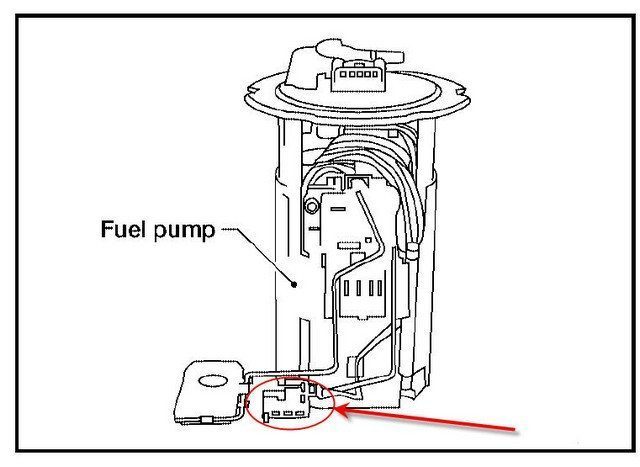
The fuel temperature sensor is typically integrated into a unit called the “fuel composition sensor.” Its role is twofold:
- Measure the fuel temperature
- Analyze its composition (ethanol content, presence of water or other contaminants)
The sensor sends an electrical signal in the form of a square wave to the PCM:
- The wave’s frequency indicates the degree of fuel contamination.
- The pulse width (modulation) reflects the fuel temperature, typically between 1 and 5 milliseconds.
If the PCM detects a temperature outside the programmed range or an abnormal deviation from the ambient temperature, code P0180 is stored, and the Malfunction Indicator Lamp (MIL) may illuminate.
Symptoms of Code P0180
This code may initially show no noticeable symptoms, but the following signs can appear:
- Illumination of the Malfunction Indicator Lamp (MIL)
- Presence of other diagnostic trouble codes related to fuel composition
- Abnormal mixture richness that can affect performance and fuel consumption
Possible Causes of the P0180 Fault
- Faulty fuel temperature/composition sensor
- Wiring problem (short circuit, open circuit, corroded or damaged connectors)
- Failure of a related sensor (ambient temperature sensor, intake air temperature sensor)
- PCM failure or programming error
Diagnosis and Repair Procedures
Before any intervention, consult the manufacturer’s Technical Service Bulletins (TSBs). It might be a known issue with a documented solution.
Required Tools:
- OBD2 diagnostic scanner
- Digital multimeter (DVOM)
- Oscilloscope (ideally integrated into some scanners)
- Infrared thermometer
- Technical documentation (AllData DIY, etc.)
Diagnostic Steps:
- Visual Inspection: Check the condition of the wires and connectors. Look for signs of corrosion, burning, or damage.
- Voltage Tests: Using the multimeter, check for the presence of the reference voltage (5V) and ground at the sensor connector. If absent, trace these circuits back to the PCM.
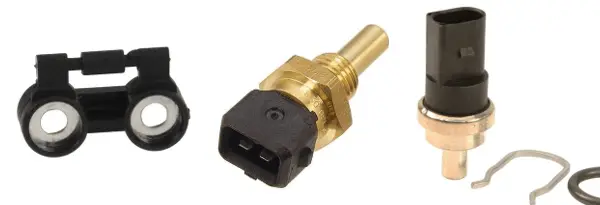
- Sensor Test: Disconnect the connector and measure the sensor’s resistance according to the manufacturer’s specifications.
- Data Comparison: Using the oscilloscope, observe the live signal. Compare the read temperature with the actual fuel temperature measured by the infrared thermometer. A discrepancy indicates a faulty sensor.
Important Note: Always disconnect the PCM before measuring resistances to avoid damaging it.
Conclusion and Call to Action
Code P0180 is a serious fault that should not be ignored, as it can disrupt the air-fuel mixture and potentially damage the catalytic converter over time. If the diagnostic procedures are beyond your skill level, consult a professional mechanic equipped with the necessary tools and expertise. To clear the code after repair, use a scanner and verify that all readiness monitors have passed.