
Code P0116: Definition and Explanations
The error code P0116 is a generic powertrain code. It indicates a problem with the range or performance of the ECT (Engine Coolant Temperature) sensor circuit. This generic code applies to most vehicles built after 1996 (Ford, Hyundai, Kia, Mazda, Mercedes-Benz, etc.). Although common, specific diagnostic procedures may vary depending on the vehicle’s make and model.
Role and Operation of the ECT Sensor
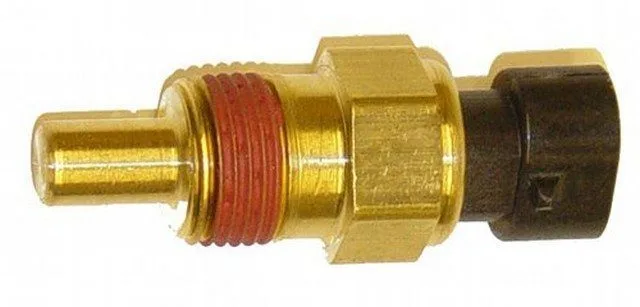
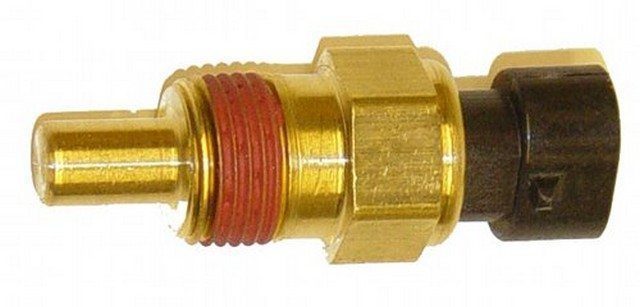
The ECT sensor is a thermistor, a component whose electrical resistance varies depending on the temperature of the coolant it is in contact with. It is typically located in the engine block or on a coolant passage. It is usually a two-wire sensor:
- One wire receives a 5-volt reference voltage from the PCM (Powertrain Control Module).
- The other wire provides a ground signal to the PCM.
When the temperature changes, the sensor’s resistance changes, thus altering the voltage of the signal sent back to the PCM. The PCM interprets this voltage to determine the engine’s exact temperature, a crucial piece of information for managing fuel, ignition, and idle.
The PCM expects a slow and gradual change in this signal, consistent with the engine’s normal warming up. The P0116 code is triggered when the PCM detects a voltage variation that is too rapid, illogical, or shows no variation at all, which does not match the engine’s thermal reality.
Symptoms of Code P0116
Symptoms may be absent if the problem is intermittent, but they generally include:
- Illumination of the Malfunction Indicator Lamp (MIL) on the dashboard.
- Poor drivability and loss of engine performance.
- Black smoke from the exhaust (overly rich mixture).
- Increased fuel consumption.
- Problems with unstable idle or engine stalling.
- Engine misfires.
Possible Causes of the P0116 Fault
Several elements can be the cause of this code:
- A faulty, missing, or stuck-open thermostat.
- A faulty ECT sensor.
- A short circuit or open circuit in the signal or ground wire.
- Oxidized, loose, or corroded electrical connections.
- An internal problem with the PCM (rare).
Diagnosis and Solutions for Resolving P0116
Warning: If other codes related to the ECT sensor (such as P0115, P0117, P0118, P0119, P0125, P0128) are present, diagnose them first.
Step 1: Checking Live Data
Using an OBD2 diagnostic tool, observe the live data reading of the coolant temperature on a cold engine. It should be close to the ambient temperature and roughly match the reading from the Intake Air Temperature (IAT) sensor.
Step 2: Analyzing Freeze Frame Data
Check the data recorded at the time of the fault (Freeze Frame). This will tell you the precise value of the ECT sensor when the code was stored.
- If the indicated value is extremely low (e.g., -40°C / -40°F): This suggests an excessively high and intermittent resistance. Check the signal circuit for an open circuit or poor connection. If the wiring is intact, the ECT sensor is likely faulty.
- If the indicated value is extremely high (e.g., > 150°C / 300°F): This suggests an excessively low resistance. Look for a short to ground on the signal circuit. If the wiring is good, replace the ECT sensor.
Step 3: Testing the Sensor and Circuit
To confirm:
- Measure the resistance of the ECT sensor when cold and when hot using a multimeter. Compare the obtained values with those specified by the manufacturer.
- Visually inspect the sensor’s connector and wiring for any signs of corrosion, damage, or looseness.
- Check the condition and operation of the thermostat.
Conclusion and Call to Action
The P0116 code is often resolved by replacing a faulty ECT sensor or repairing a damaged wire. Accurate diagnosis with a scan tool is essential to avoid replacing parts unnecessarily.
Experiencing this issue? Share your experience or ask your questions in the comments below. For complex diagnostics, do not hesitate to consult a professional mechanic equipped with the appropriate tools.