
What is the P00B0 Code?
The P00B0 fault code is a generic diagnostic trouble code (DTC) related to the powertrain, applicable to vehicles equipped with the OBD-II standard. It indicates a performance anomaly within the “B” Boost Control Module. This code frequently concerns brands like Chevrolet, GMC (Duramax), Dodge, Ram (Cummins), Ford, VW, and others. Precise repair procedures vary depending on the model, year, and engine configuration.
How the Boost System Works
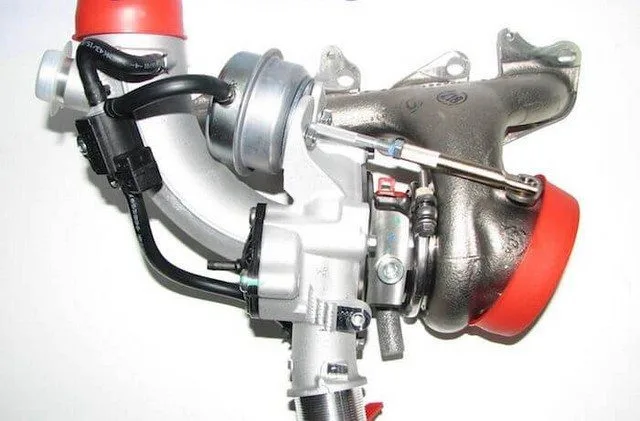
Forced induction systems, such as turbochargers, use exhaust gas energy to compress the intake air entering the combustion chambers, thereby increasing engine power. To regulate the boost pressure according to demand, a module controlled by the engine control module (ECM) operates a wastegate or variable geometry vanes. The P00B0 code illuminates when the ECM detects that this “B” module is operating outside its normal parameters, often leading to a switch to a reduced power mode (“limp mode”) to protect the engine.
Severity of the P00B0 Code
The severity is moderate to high. A fault in boost control can cause an unbalanced air-fuel mixture (too rich or too lean), risking engine damage over time and leading to increased fuel consumption. Prompt repair is recommended.
Symptoms of the P00B0 Code
- Loss of power and overall poor performance
- Abnormal response during acceleration
- Difficulty climbing hills
- Activation of fail-safe mode (“limp mode”)
- Intermittent drivability symptoms
Possible Causes of the Fault
- Faulty boost control solenoid or module
- Corrosion or poor connection in electrical connectors
- Wiring issue (break, short circuit)
- Clogging of turbocharger vanes (soot)
- Exhaust leak
- Internal ECM failure (less common)
Diagnostic Steps
Step 1: Visual and Mechanical Inspection
WARNING: The exhaust system and turbocharger become extremely hot. Only perform work on a cold, switched-off engine.
Locate the boost control solenoid or module (often mounted on the turbocharger). Check that the actuation lever is not stuck, broken, or bent and that it can be moved manually (if the design allows).
Step 2: Checking Adjustments and Condition
Some systems have adjustable levers. Consult the specific technical documentation for your vehicle before any adjustment to avoid damaging expensive components.
Step 3: Checking for Signs of Corrosion or Infiltration
Inspect the module and its connectors for any signs of corrosion, water infiltration, or physical damage. The presence of oxidation usually requires replacement.
Step 4: Wiring Inspection
Follow the wiring harness connecting the module to the computer. Wires are often exposed to high temperatures. Look for any signs of burning, frayed insulation, broken wires, or short circuits.
Conclusion and Call to Action
Accurate diagnosis of the P00B0 code can be complex due to the diversity of systems. If basic checks have not identified the cause of the problem, it is highly recommended to consult a professional equipped with an advanced diagnostic tool to analyze live data from the boost control module.
Need help diagnosing or repairing this fault code? Consult a specialized garage for an accurate diagnosis and to avoid any risk of further damage to your engine.