
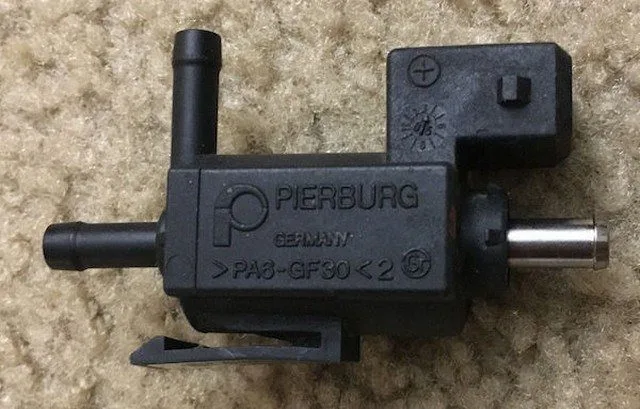
P004F Turbo/Supercharger Boost Control: Control Circuit B Intermittent/Erratic
The P004F trouble code is a generic powertrain code (OBD-II) that indicates an intermittent or erratic issue in the “B” control circuit of the turbocharger or supercharger. This problem can affect a wide range of vehicles (Ford Powerstroke, Chevrolet GMC Duramax, Toyota, Dodge, Jeep, Chrysler, VW, etc.), although specific diagnostic procedures may vary.
Understanding the Boost System
Turbochargers and superchargers are air pumps that compress intake air to increase engine power. A turbocharger is driven by exhaust gases, while a supercharger is mechanically driven by the crankshaft.
Many modern vehicles use a Variable Geometry Turbocharger (VGT). This system uses movable vanes controlled by the Powertrain Control Module (PCM), typically via a solenoid or motor, to precisely regulate boost pressure. A position sensor informs the PCM about the status of the vanes.
On traditional fixed-flow systems, pressure is regulated by a wastegate, often controlled by a solenoid, and monitored by a Manifold Absolute Pressure (MAP) sensor.
The letter “B” in the P004F code designates a specific sub-circuit of the system, indicating that the problem is not necessarily with a single component but potentially with its control circuit.
Symptoms and Severity of P004F Code
The severity of this code is moderate to severe. A malfunction can lead to a loss of performance or, conversely, overboost which can cause engine knocking and serious engine damage.
Common symptoms include:
- Malfunction Indicator Lamp (MIL) illuminated
- Noticeable lack of engine power (insufficient boost)
- Conversely, engine knocking and erratic behavior (excessive boost)
- Unstable engine idle
Possible Causes of the Fault
Several causes can lead to an intermittent signal:
- Wiring Issues: Loose, corroded, short-circuited wires, or oxidized connectors.
- Faulty Control Solenoid: The solenoid that activates the wastegate or VGT vanes is malfunctioning.
- Faulty Sensor: The boost pressure (MAP) sensor or the VGT vane position sensor is providing an incorrect signal.
- Vacuum Leaks: If the system uses a vacuum actuator, a leak can disrupt its operation.
- Faulty Turbo/Supercharger: The boost unit itself is damaged or clogged.
- Failing PCM (less common): The Powertrain Control Module itself is the cause.
Diagnosis and Repair Procedures
⚠️ Warning: The following procedure is generalized. Always consult manufacturer-specific technical data (TSB, wiring diagrams) for your vehicle.
- Visual Inspection: Start with a thorough visual inspection. Look for loose connectors, wiring harnesses damaged by heat or rubbing against parts, and any obvious vacuum leaks.
- Using a Diagnostic Tool: Using a scanner capable of commanding actuators, activate and deactivate the control solenoid. Observe the pressure/position sensor parameters (PID) and changes in engine RPM. A lack of response indicates a problem with the control circuit or the solenoid.
- Electrical Test of the Solenoid: Check for power and ground at the solenoid connector (the PCM should command it via the diagnostic tool). Measure the internal resistance of the solenoid and compare it to the manufacturer’s specifications.
- Turbocharger/Supercharger Inspection: Remove the intake duct and visually inspect that the turbine and compressor spin freely, without excessive axial play or visible damage.
- Sensor Test: Test the relevant sensor (usually 3 wires: +5V, ground, signal) and its circuit using a multimeter and manufacturer specifications.
Related Codes
Related fault codes for boost control circuit “B”:
- P004A: Boost Control “B” Circuit Open
- P004B: Boost Control “B” Circuit Range/Performance
- P004C: Boost Control “B” Circuit Low
- P004D: Boost Control “B” Circuit High
🔧 Need help diagnosing this code?
Diagnosing an intermittent code can be complex. If you do not have an advanced scan tool or if the tests have not identified the fault, it is highly recommended to consult a specialized repair shop for professional diagnosis.