
What is the P000D Code?
The P000D error code is a generic powertrain code that means “Camshaft Position B Slow Response, Bank 2”. It applies to vehicles equipped with a Variable Valve Timing (VVT) system. This problem indicates that the Powertrain Control Module (PCM) has detected a slower than expected response in adjusting the position of the exhaust camshaft (B) on the engine’s bank 2 side.
Symptoms of the P000D Code
Common symptoms associated with this fault code include:
- Illuminated check engine light
- Decreased engine performance and power
- Increased fuel consumption
- Abnormal noises coming from the engine
- Increased pollutant emissions
Possible Causes of the P000D Code
Several components can be the source of this fault:
- Insufficient engine oil level or poor quality: Defective lubrication is a common cause.
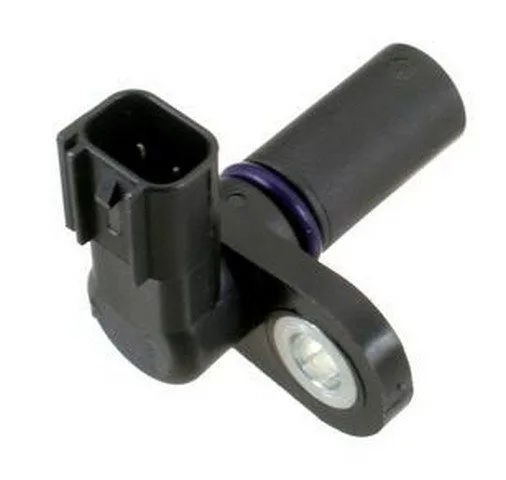
- Faulty Camshaft Position (CMP) sensor: The sensor provides incorrect data to the PCM.
- Defective or clogged VVT control solenoid: It no longer properly regulates the oil flow.
- Worn or stuck VVT actuator (phaser): It can no longer adjust the camshaft position.
- Timing chain problem: Excessive slack, worn guides or tensioners.
- Wiring or connector issues: Short circuit, corrosion, or poor contact.
- Rare PCM failure: The computer itself is at fault.
How to Diagnose and Repair the P000D Code?
1. Preliminary Checks
Always start by checking the engine oil level and condition. Dirty oil or a low level is a simple and common cause. Then perform a visual inspection of the wiring, CMP sensor connectors, and VVT solenoid for any apparent damage.
2. Testing the Camshaft Position (CMP) Sensor
Using a multimeter, check the sensor’s output signal. A Hall effect sensor (3 wires) should produce a fluctuating digital signal, while a permanent magnet sensor (2 wires) produces an AC signal. A lack of signal indicates a faulty sensor that needs replacement.
3. Testing the VVT Control Solenoid
Disconnect the solenoid connector and measure its internal resistance (ohms). Compare the reading to the manufacturer’s specifications. An infinite resistance (open circuit) or an out-of-spec value means the solenoid is faulty. Clean or replace it if necessary.
4. Checking Electrical Circuits
Verify that the solenoid and sensor are receiving proper 12V power and a good ground using your multimeter. A faulty circuit will need to be repaired.
5. Mechanical Inspection
If the electrical tests are conclusive, the problem is likely mechanical. It could be a worn VVT actuator or a timing chain issue (too much slack, broken guides). This inspection is complex and may require disassembling engine components.
Conclusion and Call to Action
The P000D code is a medium to high severity problem that should not be ignored, as it risks damaging the engine. If basic checks (oil, visual inspection) do not resolve the issue, it is highly recommended to consult a professional mechanic. Accurate diagnosis of VVT systems often requires specialized tools and access to specific vehicle technical data.
Need help diagnosing this code on your vehicle? Consult your manufacturer’s technical service bulletins now or call an expert for an accurate diagnosis.