
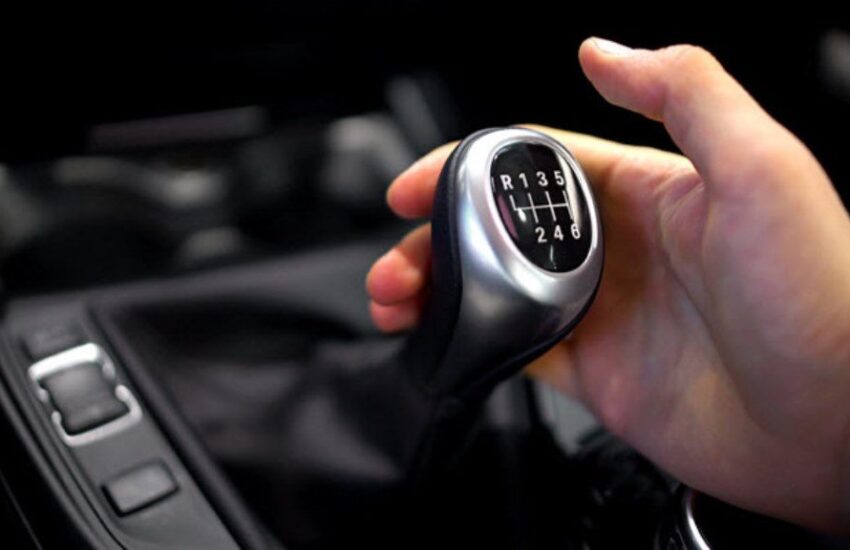
Managing Mercedes-Benz gear shift issues requires understanding the nuances of its transmission system, known for its sophistication and engineering excellence.
However, like any complex mechanical system, it can encounter problems.
Mercedes-Benz Gear Shift Problems
Here are some common gear shift issues encountered in Mercedes-Benz cars:
Delayed Gear Engagement
This issue manifests as a delay in gear engagement when shifting from “Park” to “Drive” or “Reverse.” The car may hesitate for a few seconds before engaging the gear, indicating a potential problem within the transmission system.
Harsh or Jerky Shifting
Some Mercedes-Benz owners report harsh or jerky gear shifts. Instead of a smooth transition, gear shifts may feel abrupt or violent, which could be due to issues with the Transmission Control Module (TCM), worn transmission components, or inadequate transmission fluid levels.
Unexpected Gear Shifts
Unexpected or uncontrolled gear shifts can occur, with the vehicle potentially shifting spontaneously to a different gear while driving. This erratic behavior can be particularly concerning as it may affect the vehicle’s control and driving stability.
Gear Slippage
Gear slippage happens when the transmission unexpectedly slips during driving, typically from a higher gear to a lower gear or into neutral. This issue can lead to a noticeable loss of power and acceleration.
Stuck in a Single Gear
In some cases, a Mercedes-Benz may get stuck in a single gear and refuse to shift up or down. This condition, often referred to as “limp mode,” is a safety feature designed to protect the engine and transmission from further damage, but it significantly limits the vehicle’s performance.
Inability to Shift Out of Park
Another issue involves the inability to shift the vehicle out of “Park” mode. This could be due to a faulty brake light switch, problems with the gear lever locking mechanism, or an issue within the electronic systems controlling the transmission.
Transmission Fluid Leaks
Leaks in the transmission fluid are not uncommon and can lead to several of the aforementioned problems, including delayed engagement and harsh shifting. Regular checks can help identify and address this issue promptly.
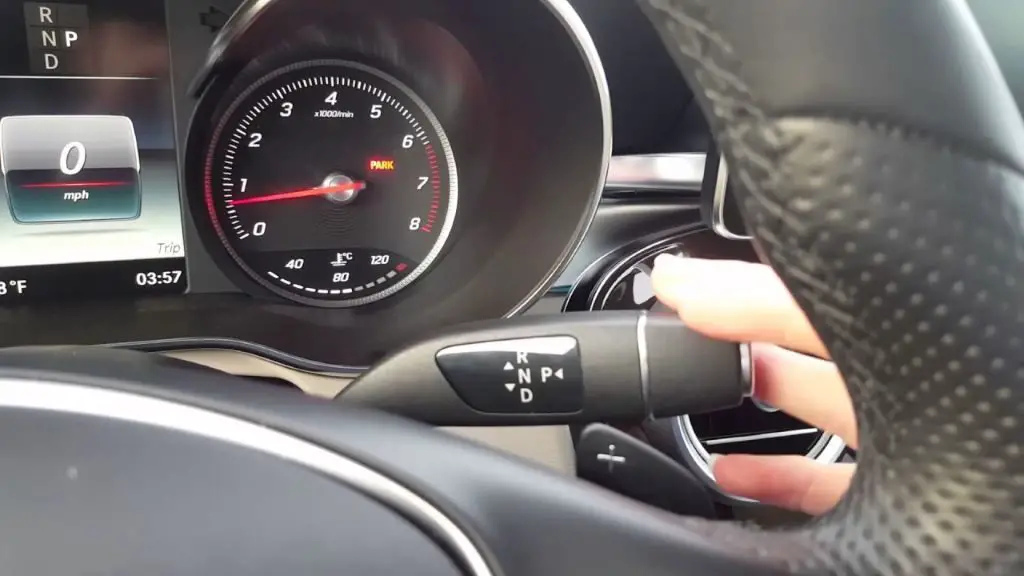
How to Fix Mercedes-Benz Gear Shift Problems
Diagnosis and Inspection
The process begins with a thorough diagnosis, involving the use of a professional diagnostic tool to check for error codes stored in the vehicle’s onboard computer system.
This step is crucial as it can identify specific issues affecting the gear shift mechanism, such as a malfunctioning sensor like the transmission speed sensor, or problems with the Transmission Control Module (TCM). Accurate diagnosis is essential for effectively addressing the problem without unnecessary repairs.
Fluid Check and Replacement
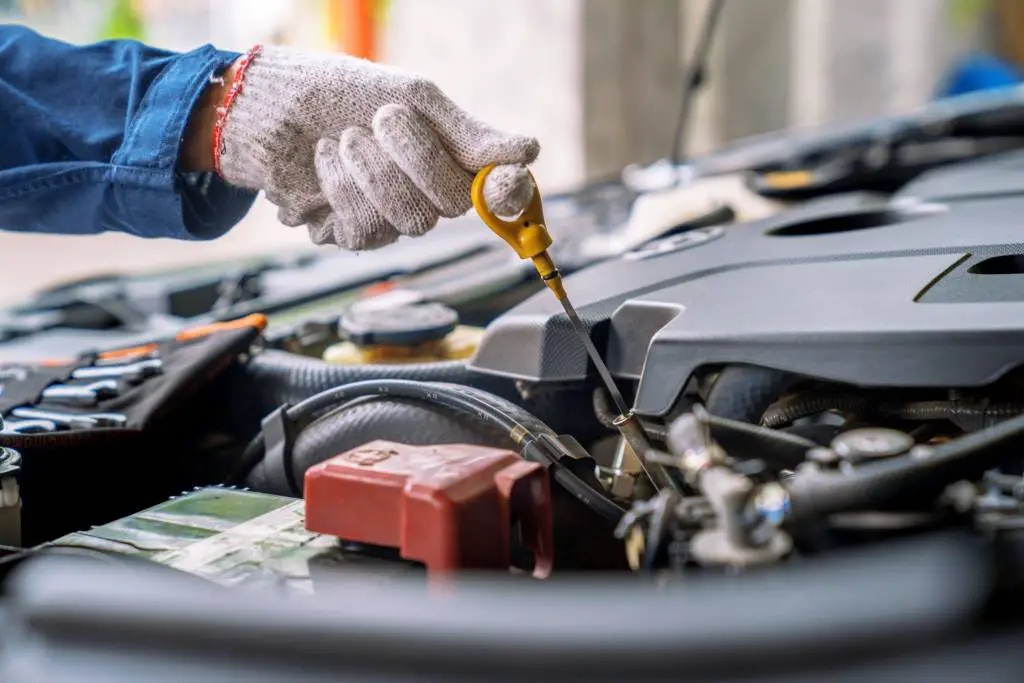
One of the most common factors leading to gear shift issues is the condition and level of the transmission fluid. Insufficient or contaminated fluid can severely impact the transmission’s ability to shift smoothly.
It is essential to ensure the fluid is at the correct level and has not degraded over time. Mercedes-Benz vehicles require specific types of transmission fluid, and using an incorrect fluid can cause significant damage to the transmission.
Therefore, fluid replacement should always comply with the specifications provided by Mercedes-Benz.
Software Updates
In some cases, gear shift issues can be resolved or mitigated through software updates for the Transmission Control Module. These updates aim to fix known bugs and improve transmission operation.
Vehicle owners should check with authorized Mercedes-Benz dealerships or service centers to determine if software updates are available for their specific model, which could potentially resolve gear shift problems without the need for mechanical repairs.
Mechanical Repairs
When gear shift issues are due to mechanical faults, such as a faulty gear selector module, clutch problems, or more severe transmission damage, professional mechanical repairs will be necessary.
The complex design and engineering of Mercedes-Benz transmissions require specialized knowledge and tools for accurate repair work, so it is advisable for these repairs to be carried out by certified Mercedes-Benz technicians.
In some cases, this may involve replacing major components or even the entire transmission.
Regular Maintenance
Preventive maintenance plays a crucial role in minimizing the risk of gear shift issues. By following the recommended maintenance schedule, vehicle owners can ensure that potential Mercedes Benz gear selector problems are identified and resolved early on.
Regular maintenance includes transmission system checks, fluid changes, and inspections of mechanical components, helping to preserve vehicle performance and extend its lifespan!
FAQ on Mercedes-Benz Gear Shift Problems
1. Can changing my driving style prevent gear shift issues?
Adapting your driving style, such as avoiding aggressive starts and stops, can reduce stress on the transmission and potentially prevent some issues.
However, it will not resolve existing mechanical or electronic problems but could extend the transmission’s lifespan.
2. Is it normal for my Mercedes-Benz to have hard shifts after a cold start?
Some models may experience harder shifts during the first few minutes of driving, especially in cold weather, as the transmission fluid warms up.
If the problem persists after the vehicle has warmed up or is particularly severe, it is worth investigating further.
3. Can aftermarket modifications affect my Mercedes-Benz’s gear shifting?
Aftermarket modifications, especially those affecting engine power or the transmission itself, can impact gear shifting. These modifications can strain the transmission beyond its intended capacity, leading to issues.
4. Is there a way to reset the Transmission Control Module (TCM) to fix gear shift issues?
In some cases, resetting the TCM can resolve gear shift issues, especially if they are software-related. This process can clear error codes and recalibrate shift patterns. However, it is a temporary solution if there is an underlying hardware problem.
5. Can using paddle shifters cause gear shift issues?
Frequent use of paddle shifters in a manner that significantly deviates from the vehicle’s automatic shift patterns can lead to increased transmission wear.
While occasional use is within the vehicle’s capabilities, constantly pushing the transmission to its limits can accelerate wear and tear.
When it comes to Mercedes-Benz gear shift issues, it is crucial to address the problem methodically, starting with a thorough diagnosis.
Given the complexity of these vehicles, seeking assistance from professionals specialized in Mercedes-Benz or similar high-end vehicles is often the best solution!