
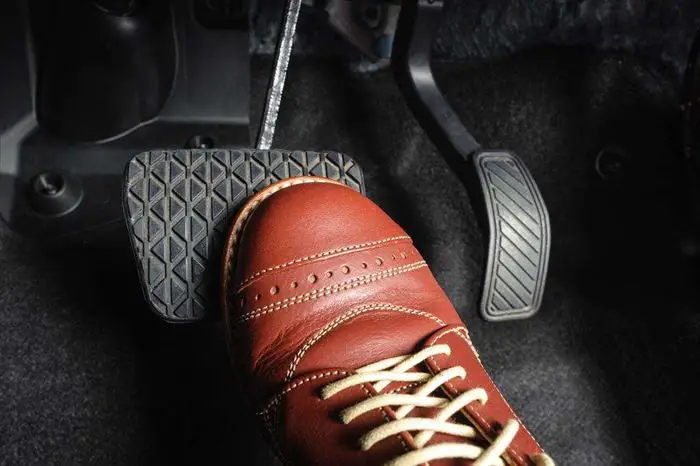
In reality, a functioning brake pedal will be firm under your foot when you press it. The term spongy brakes indicates the condition where the brake pedal loses this firmness and the brakes do not feel stable.
Such a problem of a soft brake pedal can occur for various reasons such as air in the line, holes in the brake lines, or worn calipers. If the brakes are spongy, you should immediately have the car’s braking system diagnosed and take the necessary measures, as this creates a potentially dangerous condition when driving.
What Causes Spongy Brakes?
Spongy brakes can have many reasons. Discover the causes of spongy brakes and how we can help you fix them.
1. Leak in the Brake Lines
Rust from road salt and moisture can corrode a brake and create holes causing the internal fluid to leak out of the line. If this happens, the fluid level will drop, leading to a loss of hydraulic pressure. If your brakes are soft, check the lines and replace them as soon as possible if you find a leak, which usually leads to spongy brakes. If you find a leak, you must replace the brake line as soon as possible.
2. Brake Fluid Level
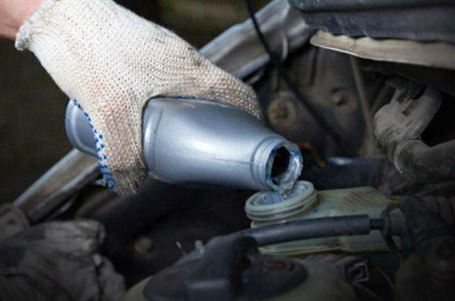
If the brake fluid level is low or depleted, it can make the brakes spongy. Open your car’s hood and remove the cap from the brake master cylinder. Now, check the fluid level. If the level is low, fill it and recheck the brakes.
3. Air in the Brake Line
This is the most common cause of spongy brakes. To stop vehicles, braking systems rely on evenly distributed hydraulic pressure. The car’s brake lines should only contain brake fluid. However, as air enters the lines, it interferes with the fluid flow, which can cause soft brakes. Bleeding the brakes is the only solution to get rid of this air.
4. Corroded Disc Brake Calipers
Just like brake lines, disc brake calipers can also accumulate rust and corrode. Brake fluid can leak through damaged areas, causing a loss of hydraulic pressure. If your brakes have felt soft lately, you should check the calipers.
5. Faulty Wheel Cylinder
Any problem with the wheel cylinder should be given the highest importance as it may require changing some brake components. A faulty wheel cylinder is another cause of a soft brake pedal. Rust can corrode it and create holes for brake fluid to escape. As you already know, loss of brake fluid leads to a loss of hydraulic pressure, which in turn causes a spongy brake problem.
6. Adjusting Rear Brake Shoes
The rear shoes are not adjusted as they wear if pumping your vehicle’s brake pedal improves the brake pedal. Shoe wear should be checked and adjusted if necessary. You should use the parking brake from time to time. Engaging the parking brake causes automatic adjustment of the brake shoes.
7. Worn Brake Pads
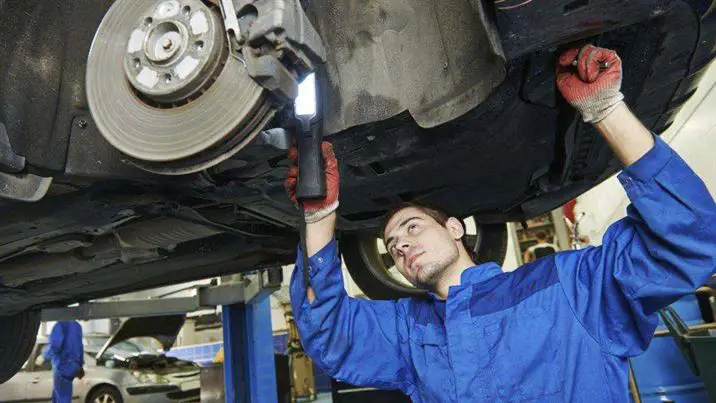
Remove the front and rear wheels to check for excessive wear on the brake pads. The sad news is that brake pads are the automotive parts responsible for the entire braking system. They help the car stop instantly when you press the brakes. For this reason, it is necessary to replace them if they appear extremely worn for your safety.
3 Symptoms of Spongy Brakes
Brake Warning Light is On
When the brake warning light illuminates on your vehicle’s dashboard, it is a sign telling you that there is a problem with the braking system and you need to act quickly. Although spongy brakes can be a potential problem with the braking system, the brake warning light is a general indicator that something is wrong and requires special attention.
Poor Braking Performance
We believe this is the most obvious symptom when your car’s brakes are spongy. The vehicle takes longer to stop or requires more distance to come to a complete stop. You may also notice a decrease in overall braking power.
Brake Fade
This sign seems strange but it is also one of the most common symptoms of spongy brakes. If the brake pedal becomes spongy after repeated or prolonged braking, it could indicate brake fade. Brake fade occurs when the braking system overheats, leading to reduced braking efficiency.
How to Fix Spongy Brakes
If you experience spongy brakes, it is recommended to have your car inspected by a mechanic as soon as possible. Alternatively, you can apply these tips to remedy spongy brakes in the safest way possible.
1. Pump the Pedal
Since a loss of brake pressure or other causes make the brake spongy, your first reaction should be to quickly and consistently pump the brake pedal with your foot. Even if there is a fault in your braking system, this can usually generate enough pressure to stop you safely by the roadside. Additionally, check out all our experts’ maintenance tips for more information on handling soft brakes as well as routine maintenance and repairs.
2. Look for a Leak and Then Repair It
Check for signs of fluid leakage in the area behind each of your car’s wheels. Furthermore, you should look under your hood to see if your master cylinder is leaking or is damp. Then, check the master cylinder to see if it is filled up to the indicator line on the side of the reservoir. If the fluid level is low, try adding some and pumping the pedal to restore pressure in the system. Any brake fluid leak is a problem for which you should send your vehicle for repair.
3. Bleed Your Brakes
Another method is to bleed your brakes to remove excess air that may have entered the system. If you have overheated your brakes during spirited driving or towing, the fluid can boil and create gas which will make your pedal spongy, because gas is compressible, unlike liquid. Each of your brake calipers or drum brake wheel cylinders will have a bleeder screw that allows you to purge air from the lines using the brake pedal and the appropriate bleeding procedure for your vehicle. You can watch this video to learn more about how to fix a soft brake pedal with a bleeding system.
Conclusion
Any problem with the brakes can cause minor to major accidents on the road. So, if you feel that your brakes are not as firm as they should be, immediately check the braking system to find the source of the problem.