
Do you ever wonder why your car makes noise in reverse every time? Every time you back up, it makes a grinding noise. Sometimes, an old brake pad can cause this issue because it rubs against the rotor and creates a high-pitched noise. This is a sign that your car’s brakes need to be changed. You can replace the old pad with a new one to solve the problem.
We will explain the reasons why your car squeaks in reverse. These will help you determine the exact cause and properly resolve the noise.
Why does my car make noise in reverse?
If you hear a noise in reverse, the most likely cause could be a brake problem. Whether this issue is serious or not, it requires your immediate attention. If you hear a brake noise when you reverse, it’s likely that the brakes are not the only problem affecting the proper functioning of your car.
You can follow the expert maintenance tips below to keep the car running smoothly in reverse.
1. Clicking Noise
One of the most common noises you’ll hear when reversing is a click. This car making noise in reverse can occur due to the brake pads moving in a new direction of travel. However, excessive movement between the pad abutment surface and the caliper can lead to a continuous noise. You can fix this by applying disc brake caliper grease. The grease will lubricate the brakes and eliminate the noise.
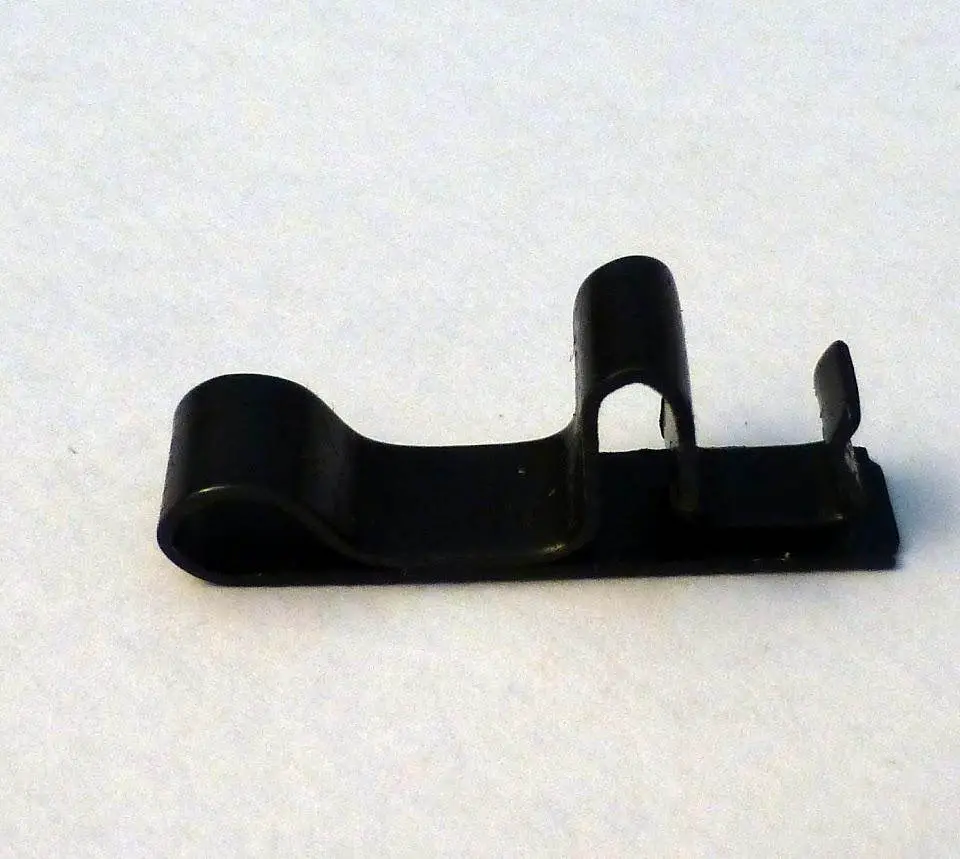
The absence of anti-rattle clips can also cause a clicking noise. Additionally, not replacing the anti-rattle clips when changing the brakes will result in this noise.
2. Check the Wear Tabs
If you haven’t used your vehicle’s brakes during long-distance travel, the first thing to check is the wear tabs. If the car makes noise when reversing or even when moving forward, the wear tabs might be a concern. And if you notice, you’ll see on almost all brake pads that there is a metal wear tab. When this part is defective or comes into contact with the car’s rotor, it not only causes noise when reversing but is also a sign that you need a new pad for the braking system. These are located at the end of the brake pads and can rub against the rotor to create a squeal.
3. Check for Metal
Sometimes, one might wonder why cars groan in reverse. The grinding noise can occur when metal touches metal. Check the car’s rotor and pads, and if there is a small metal piece between them, it will create a grinding noise. Make sure to clean the rotor as well as the pads to prevent any metal pieces from getting between them.
4. Inspect the Grease Shims
Grease shims can cause the grinding noise that your car makes in reverse. For all drivers unfamiliar with grease shims, they play an essential role in the car’s braking system. Their main responsibility is to reduce noise and absorb vibrations, which will help your car run more quietly and provide a comfortable driving experience. Grease shims are located on the friction pad support and are thus considered a barrier between the caliper and the brake pads. These need to be lubricated from time to time to suppress noise. Make sure to apply lubricant on both sides of the grease shims to avoid any issues with the brake pads.
Additionally, the noise can also be caused by the brake pads. The back of the brake pads has a metal plate and they are in contact with the metal brake, so if they are not greased, it will cause noise. When removing the brake pads for replacement, you should apply a little grease to the back of the brake pads to limit noise during braking, but don’t use too much lubrication as it can make the brake pads dusty.
5. Faulty Brake Pads
The grinding noise when your car reverses could be one of the symptoms of a worn or broken brake pad when you apply too much pressure on the brake pedal. These metal parts are often overlooked during disassembly, or forgotten to be installed when changing the brake pads, causing brake squeals when the vehicle is in reverse. So you must pay attention to the installation of the brake pads when replacing them or replace them if they are damaged.
6. Uneven Brake Disc Wear
This is also the reason why the car makes noise in reverse or forward. You can move the brake disc back and forth so that the brake pads have better contact and do not cause grinding.
Car makes noise in reverse: Easy solution
To find the reason for the noise in reverse, you need to check the condition of the front brake pads. Usually, especially on high-mileage cars, car owners often forget to change the brake pads. This creates a grinding noise when reversing due to wear. Remember to change the brake pads as required by your vehicle’s manufacturer. Their use is typically allowed until a certain wear standard is reached. For other vehicles, you need to change the seal after a certain distance (e.g., 30,000 km).
However, depending on the cause of the car noise, the solution will be different. If your car’s brakes squeak due to dirty brake pads, if the brakes vibrate due to brake drums, or if the brake discs are dirty, simply clean the braking system. If the car makes noise due to worn brake pads, you need to replace the pad as soon as possible. If your car is noisy in reverse due to loose studs, loose brake pads, etc., simply tighten or replace the brake pads if they are worn.
Watch a video to learn how to fix this issue:
Conclusion
So, if the car makes noise in reverse every time, these tips can help you avoid unnecessary headaches. These tips will ensure the proper functioning of your ride, whether moving forward or backing into the garage.