
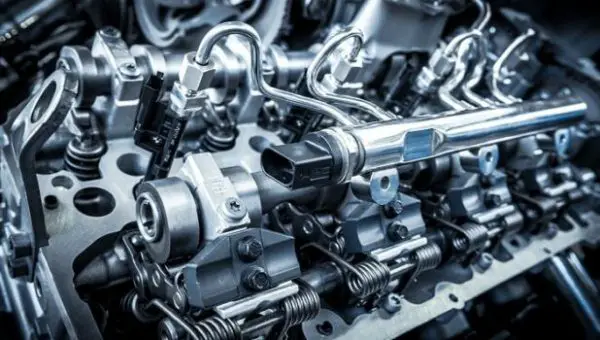

An engine misfire is a malfunction where one or more of its cylinders do not work. This causes excessive wear and overheating of the engine and leads to scratches on the surfaces of the pistons and cylinders. In the following, we will explain how to recognize this problem and how to solve it.
FIVE SIGNS OF MALFUNCTION
- The engine shakes at idle. Sometimes, the vibrations are so strong that you can feel them in the steering wheel, gear lever, and body. Additionally, the engine’s idle speed is unstable.
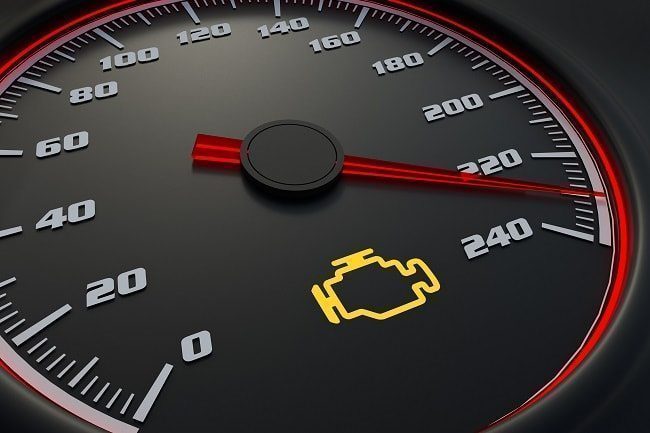
- Reduced engine power. You can particularly notice malfunctions in the engine’s operation when you press the accelerator pedal, as well as jerking during acceleration. The “Check Engine” light may come on on the dashboard.
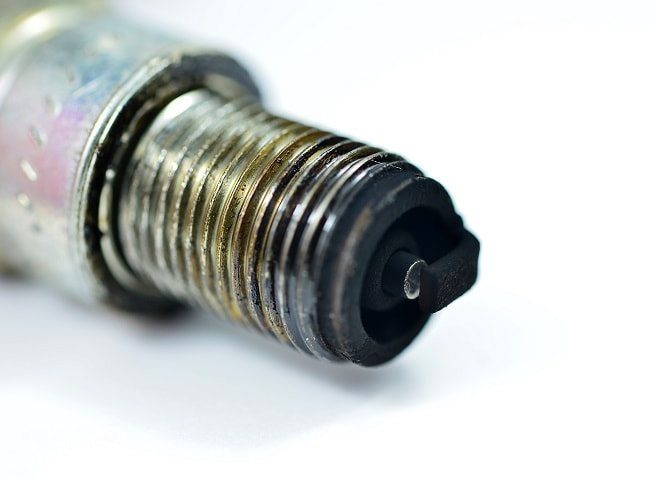
- Carbon deposits on the spark plugs and cracks in the high-tension wires. These are usually easy to spot during parts inspection.
- Unusual noises when the engine is running. For example, intermittent sounds may be heard instead of a regular hum.
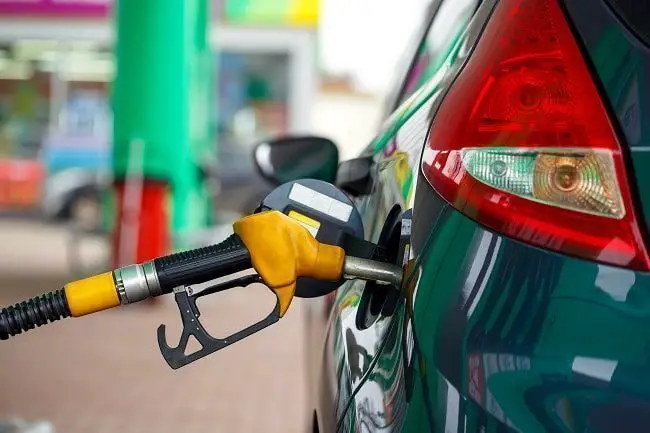
- Increased fuel consumption. This is usually caused by issues with the fuel mixing and ignition processes.
THREE CAUSES OF ENGINE MISFIRE
- Problems in the ignition system. Faulty spark plugs, broken coils, high-tension wires, or incorrect settings can cause ignition that is too early or too late, which in turn disrupts the combustion process of the air-fuel mixture and leads to engine malfunction.
- Disruption in fuel supply and mixing processes. Dirty fuel injectors and malfunctioning solenoid valves, clogged air filter, leaks in the intake or fuel supply systems, or in the brake booster can cause a lean or rich air/fuel mixture, which affects combustion efficiency. Failure of the mass air flow sensor, throttle position sensor, or idle air control valve has similar consequences.
- Leakage from the combustion chamber. This is usually caused by burnt valves, pistons, head gasket, and scratches on the cylinder surface. It can also be caused by incorrect valve adjustment, faulty lifters or hydraulic lifters, or incorrect valve timing.
SIX TIPS
- Replace consumables on time. For example, air filters should be replaced every 10,000 to 15,000 km. Depending on the type, spark plugs last between 30,000 and 100,000 km, and fuel injectors from 100,000 to 120,000 km.
- Clean fuel injectors regularly, about once a year. To do this, add a special additive to the fuel. In case of heavy soiling, you should go to a service station.
- Use only high-quality engine oil. Engine wear products can cause engine overheating, piston ring sticking, and component destruction. It is recommended to change the lubricant and oil filter every 10,000 to 15,000 km.
- Use high-quality fuel. This will prevent carbon buildup on the surfaces of engine components.
- Let the engine run at the highest RPM from time to time. This will briefly increase the temperature in the combustion chambers to 500°C and clean the spark plug tips of deposits.
- When maintaining the engine, tighten all threaded connections with the torque specified in the vehicle’s technical documentation. This will ensure the tightness of all joints and the integrity of the sealing elements.
Conclusion
An engine misfire not only affects its performance but is also a symptom of serious defects. That is why it is important to perform a thorough engine diagnosis at the first signs of a problem and repair the fault as quickly as possible. Timely engine maintenance ensures long and trouble-free operation.