
When heading to the office, home, or any other dream destination, if you’re low on transmission fluid, the first thing that comes to mind is how long can I drive without transmission fluid? Alternatively, what will be the consequences of driving without this fluid?
Well, the answer to this question lies in the type of transmission built into cars. Simply put, whether the transmission is manual or automatic will determine the repercussions of driving without this fluid.
Aftermath when you drive without transmission fluid
Just like engine oil, transmission fluid is also essential for the proper functioning of a car. It allows all the components of the gearbox to shift gears easily without causing noise.
That’s why, with several types of transmission fluid available on the market, one must first consult the mechanic to find the ideal fluid for the car.
Now, without further ado, let’s find out what happens in automatic and manual cars when thinking about driving without transmission fluid.
Automatic transmission cars
In a car’s automatic transmission system, the fluid has a crucial role to play: it helps the torque converter transfer all the power to the engine. Moreover, the internal clutches also need this fluid for their proper functioning inside the car’s system.
In other words, when you drive without transmission fluid, the hydraulic pump will wear out, leading to the gear firmly locking in neutral. As a result, the car won’t move at all.
Manual transmission cars
Conversely, a manual transmission reacts differently to a no-fluid situation. Even if one can drive without transmission fluid, it will generate some signs of problems later.
Overheated transmission
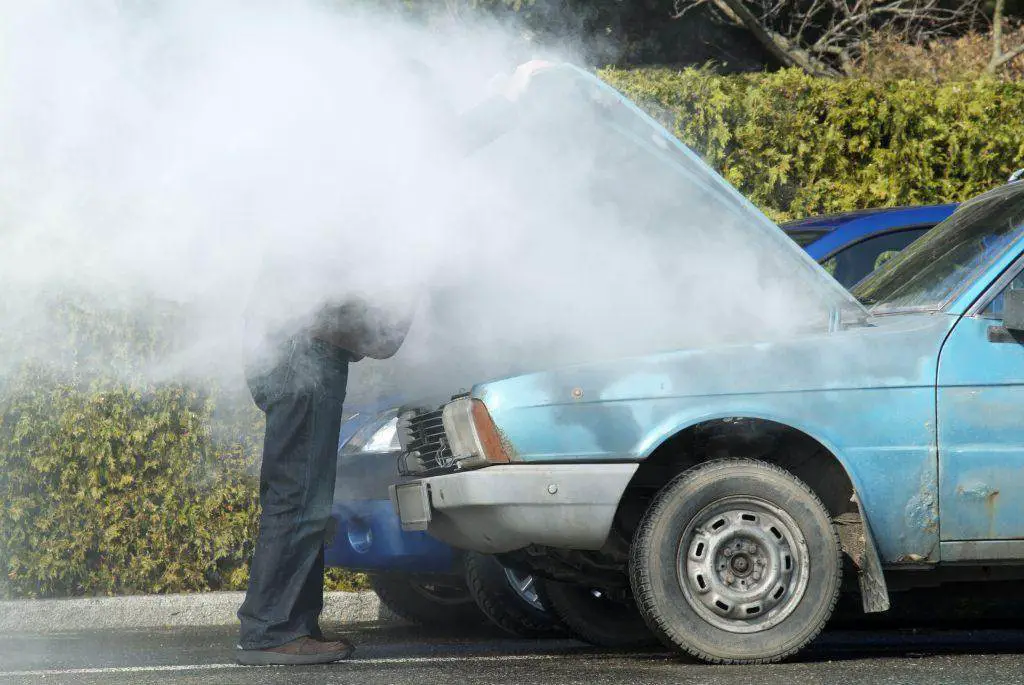
Transmission fluid keeps the entire unit cool, which prevents the system from overheating. Thus, if you drive the vehicle without this fluid, you might smell a burning odor.
Grinding noise
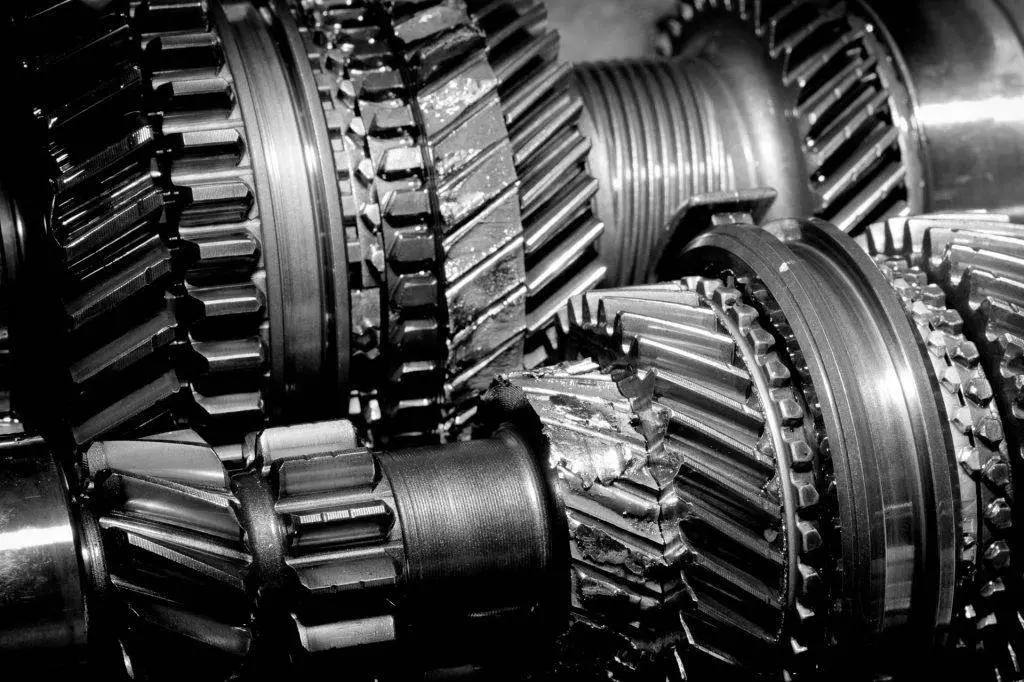
When the clutch is fully engaged while there is no transmission fluid, you might hear a grinding sound when shifting gears. The main reason for this issue lies in the car’s unlubricated clutch parts, which struggle to shift gears smoothly during gear changes.
As a result, the speed synchronizer wears out, producing an annoying noise, which can be completely damaged if car maintenance is not performed in time.
Delayed gear engagement
The absence of transmission fluid means a negligible amount of pressure in the transmission system. Consequently, when shifting gears, one must wait for some time (2-3 seconds) before the car shifts to the desired gear.
Gear slipping
While driving without transmission fluid, the gear may suddenly slip, forcing the gear lever back to neutral.
Transmission failure
Finally, if any of the above transmission effects are not repaired in time, you may need to request a complete replacement of this system at later stages.
How long can you drive without transmission fluid?
As mentioned earlier, you should never drive your vehicle if you know the transmission levels are low. This will create additional problems and damage other engine components.
If you disregard the advice and think that driving a short distance wouldn’t affect you, you might wake up brutally.
Some mechanics claim you can drive up to 16 km with low transmission fluid levels, but the ball is in your court as it leaves your transmission weak and prone to damage.
Even though we’ve highlighted some of the signs you might receive when your transmission is low, there’s no guarantee your automobile will indicate it, and you might find out you only realize it when it’s too late. Therefore, you must stay on top of maintenance inspections.
Your engine may not start if you run out of fluid. Transmission fluid, like fuel in a car, is necessary to connect the engine to the gears. The main contrast lies between automatic and manual transmission automobiles.
Driving an automatic car means your car shifts gears for you, and if it detects the transmission fluid is low, it will refuse to start, unlike a manual vehicle, where the driver must decide if it’s safe to drive.
FAQ on driving without transmission fluid
- How do I add transmission fluid to my car?
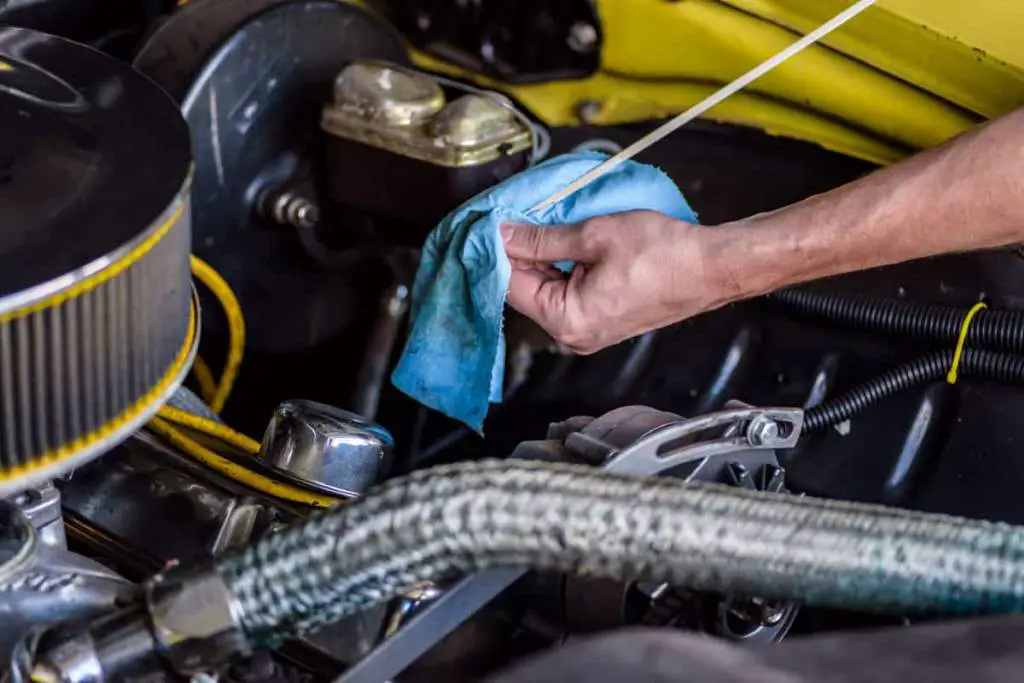
It’s similar to adding oil to add transmission fluid. To start, remove the dipstick and insert a funnel. Transmission fluid can then be freely poured into the funnel.
- How much transmission fluid should I put in?
Again, the marks on the dipstick can be used to check the oil. Use them to determine the fluid level. Repeat this several times when refilling your engine to ensure you have the right amount.
- Is it possible to lose transmission fluid without a leak?
Even though they are necessary components for each other, transmission fluid cannot leak into your engine.
- Is jerking caused by a lack of transmission fluid?
Yes. A low level of transmission fluid can cause abrupt or jerky gear changes. If your vehicle is shaking, you should check the transmission levels.
- Will my car run better if I change the transmission fluid?
After changing the fluid, your transmission will operate more easily, meaning your engine will also run more smoothly.
Engine lock-up is one of the worst things that can happen. It essentially means your car’s transmission is working so hard that it simply stops.
Watch this video by ChrisFix to learn how to perform an oil change, a transmission fluid change, a coolant flush, and a way to handle other important fluids in your vehicle!
Final words
In a nutshell, if you always drive without transmission fluid, be prepared to pay tons of money for the replacement of the entire transmission system.