


Knowing what the proper oil pressure should be can help you ensure that the car’s engine is running correctly and remains healthy. If you notice low oil pressure, the amount of oil supplied is not sufficient for lubrication, which will result in high-friction components in the engine wearing out quickly, becoming noisy, and easily increasing heat. This means that low oil pressure is a warning sign for your engine. Are there exceptions? Many drivers while driving cars have noticed that oil pressure drops at idle. So why? and what is normal oil pressure at idle?
What is Normal Oil Pressure at Idle?
Oil pressure is a vital indicator in car engines that you must consider. However, it will vary depending on certain factors: engine types and temperature. To know the exact oil pressure at idle, first, let’s take an overview of oil pressure.
What is Oil Pressure?
Automotive engine oils operate in the form of a circulation system. The oil is injected by the pump into the engine, then flows into the reservoir, then continues to be sucked through the filter and sprayed into the engine. Oil pressure is created by the pump pumping oil into the vehicle’s engine system. When the engine is running, normal oil pressure is typically between 25 and 65 PSI (depending on the vehicle model). Normal oil pressure always remains stable at this level. If the oil pressure suddenly increases or drops abnormally low, it is a sign that the lubrication system has problems.
Cars are equipped with an oil pressure sensor. If it detects that the oil pressure is too high or too low, the sensor will transmit a signal. And the ECU will illuminate the lubrication oil pressure warning light to inform the driver. When you see that the car has abnormally low or high oil pressure, it should be checked as soon as possible. Because the malfunction of the lubrication system will greatly affect the engine.
What Should Oil Pressure Be at Idle?
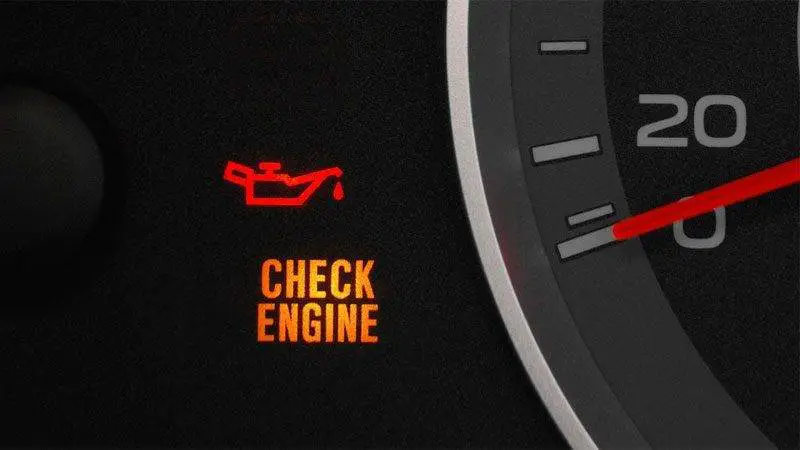
To ensure your car’s engine operates with the best performance. Car manufacturers recommend that the oil pressure should always be above 20 PSI (pounds per square inch) at idle. However, corresponding to each vehicle type, we will have different pressure levels:
- Truck: 20-30 PSI at idle
- Car: 25-35 at idle
Most car manufacturers suggest that the oil pressure should be around 30 PSI at idle and about 60 PSI when the engine is running at higher speeds. If you check that the oil pressure is below 20 PSI. If you notice that the oil pressure is below 20 PSI, you need to check it as soon as possible. As we all know, engine oil not only helps the moving parts of the engine to function correctly but also helps to cool them. If the pressure is too low, the engine will not be properly cooled and this can have serious consequences.
This difference in oil pressure will occur when the oil’s viscosity decreases due to heat. Most vehicle engines have an oil pump. The principle is to increase pressure with speed, so the engine runs higher and the result is that the oil pressure increases. This function ensures that your engine parts are sufficiently lubricated as they move faster and start generating more heat. When your car is idling, you do not need high oil pressure. 20-25 PSI is sufficient for most engines. Just make sure that the pressure will increase when your car increases its speed.
What Causes Low Oil Pressure at Idle?
If you notice that the oil pressure is too low at idle (below 20 PSI), it can be a symptom telling you that there is a problem with your car. If the oil pressure is below the standard level, the engine will not have the necessary amount of lubricant. This makes parts and components easy to wear and causes overheating and damage. As we know, oil pressure at high speed is about 60-70 PSI. Why is oil pressure low during idle operation – Let’s look for the causes:
The Car Lacks Engine Oil
Car oil shortage is the most common cause of oil pressure drop at idle. Because the amount of oil is not supplied to the engine, the oil pressure drops. To know exactly if this is the cause, check the available oil quantity with the dipstick. If you see that the oil quantity is too low, near or below the low level, that is the reason. There are several reasons why the car is low on oil, such as the car hasn’t been changed for a long time. Oil is leaking due to open pipelines, or worn crankshaft bearings…
Dirty Oil
Engine oil is responsible for cleaning the internal components of the engine. Therefore, over time, it will accumulate many impurities and residues. On the other hand, due to working in a high-temperature environment, the oil also gradually degrades. If the oil is not replaced periodically, it will become heavier and denser due to dirt (low viscosity) causing the oil pressure to drop or increase easily. Seriously affecting the efficiency of engine lubrication – cooling – cleaning.
The Oil Pump/Oil Filter is Damaged
If the pump system is damaged, if oil cannot be sucked normally, or if the filter is clogged, it will make it difficult for the oil to circulate. From there, leading to a low oil pressure error or loss of oil pressure. Therefore, you need to pay attention to choosing oil with the correct viscosity for your vehicle to avoid low oil pressure. Furthermore, it is also important to carefully learn about other oil specifications such as API, ACEA, etc., to buy the best product.
Oil Pressure Sensor Malfunction
Most cars today are equipped with an oil pressure sensor. If it detects a problem with the oil pressure (too low or too high), this device will send a signal to the ECU. The warning light then illuminates to remind the driver to correct the error. However, sometimes the sensor is dirty or damaged, so it sends the wrong signal, even if the oil pressure still maintains a stable level.
Using Oil with a Low Viscosity Index
The viscosity index (SAE) is a measure used to identify the density of the oil. More specifically, the lower the SAE, the thinner the oil will be. For example, Essenza high-displacement 10w30 oil will be thinner than 10w40 oil. If the viscosity index is too low, the oil is too fluid and the oil pressure in the engine is reduced.
How to Fix Low Oil Pressure at Idle?
To keep the engine in perfect operating condition, the oil pressure must be checked periodically and within the range recommended by the manufacturer. The oil will thicken and have higher pressure when the engine is cold. Whereas the oil pressure will decrease as the engine warms up. To ensure accuracy, we must check the oil pressure when the engine is at operating temperature.
Step 1: Check the Oil Level.
Open the hood and check the vehicle’s oil with the dipstick. If the oil in the car is still full and the oil pressure light is on, it means the car has other problems. If the oil level is below the marked position, at that time, the car is out of oil and needs to be replaced.
Step 2: Inspect the Oil Pressure Sensor.
Remove the sensor, insert the pressure gauge, and start the car. If the value returns to the standard oil pressure value, the sensor is faulty. If the return value is lower than the standard value. The sensor is still working fine, but the oil pressure is low for other reasons.
Step 3: Don’t Forget to Check the Oil Filter/Pump
Remove the oil filter and check that there is no debris. If there is, you need to clean it (or replace it if necessary). According to experts, the car’s oil filter should be changed approximately every 10,000 miles.
If the car has very low oil pressure or no oil pressure, check the oil pump drive belt.
Step 4: Check the Crankshaft Bushing
Check the condition of the crankshaft bearings. If signs of wear are detected, it is likely the cause of the oil leak, reducing oil pressure at idle. The solution, in this case, is to replace the crankshaft bearing with a new one, then add engine oil.
Final Thoughts: What is Normal Oil Pressure at Idle?
20-35 PSI is the answer to this question: What should my oil pressure be at idle? In this article, we have outlined the causes of low oil pressure at idle and how to check and fix it quickly. I hope this article has provided you with useful knowledge.