
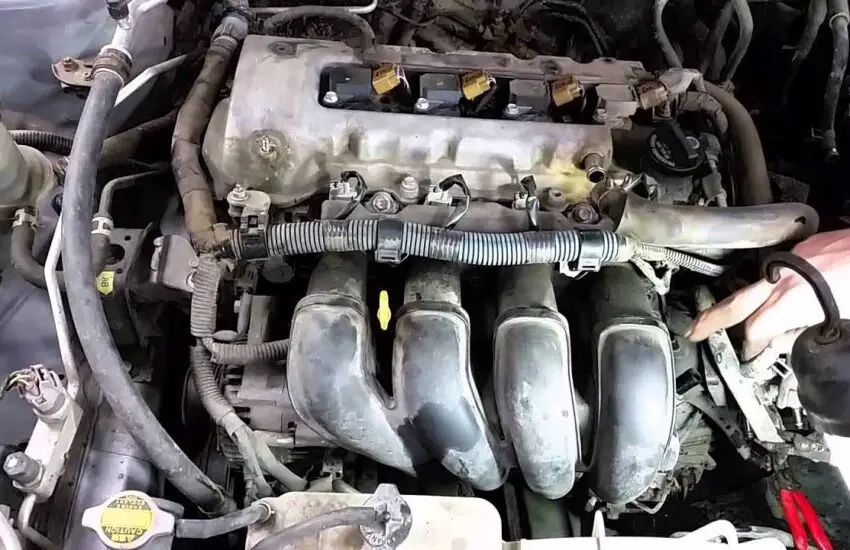
What are the symptoms of an intake manifold gasket leak? Like humans, automobiles also need oxygen. But not for breathing. Oxygen helps create explosions in the engine cylinders, thus helping the vehicle start. The intake manifold is the component that provides this oxygen. It also carries coolant to the cylinders. This does not bode well for the engine if this part is damaged or defective. Identifying the symptoms of an intake manifold gasket leak is a way to prevent further engine damage.
What is the intake manifold gasket and how does it work?
An intake manifold is a multi-chamber unit that supplies the air-fuel mixture to the engine cylinders. You will find gaskets at every engine joint requiring a seal. Thus, the intake manifold gasket is the gasket that connects the intake manifold to the engine.
Made of rubber and plastic, this gasket can crack or be damaged due to extreme heat and continuous shrinking and expansion. When this happens, the engine overheats due to a leak of coolant, gas, and air.
Although the intake manifold is only a small part of your car, it plays an important role in your car. There are a few functions:
Sealing
It prevents leaks of air or the air-fuel mixture from the intake manifold. The gasket forms a barrier to ensure that the air-fuel mixture flows only in the intended direction, from the intake manifold to the combustion chambers.
Thermal Insulation
The intake manifold gasket helps insulate the intake manifold from the hot engine block or cylinder heads. This prevents excessive heat transfer and helps maintain the optimal temperature of the intake manifold and incoming air.
Equal Distribution
The gasket ensures that the air-fuel mixture is distributed evenly to each engine cylinder. It contains passages and channels that direct the flow of the mixture to the appropriate intake ports.
Generally, the intake manifold gasket works by creating a tight seal between the contact surfaces of the intake manifold and the engine block or cylinder heads. It is usually made of a durable, heat-resistant material such as rubber, silicone, or composite materials with metal inserts. These materials offer flexibility and resilience to accommodate the expansion and contraction that occur due to temperature changes in the engine.
Symptoms of an Intake Manifold Gasket Leak
An automobile engine runs on gas. The gas-air mixture is what makes the engine run. When this supply is cut off, the engine is affected and its performance deteriorates.
Here are some warning signs to watch out for. Detecting them early will prevent serious engine deterioration.
Engine Overheating
The most common of several symptoms of an intake manifold gasket leak. When the engine heats up more than the safe level, you will notice a slight burning smell, reminiscent of burnt rubber or plastic. Some strange noises might appear alongside this smell. When the extremely hot liquid starts to boil and then splashes onto engine parts, it creates dull crackling or bubbling noises.

The next step after a burning smell and slight noises is smoke coming from the engine. Some damage is already done if it goes further. If this happens while you are driving the car, stop immediately, wait for the engine to cool down, and then tow it to a mechanic.
The dashboard is equipped with a temperature gauge located next to the water and gas level indicators. There is a small red area in the gauge indicating the danger zone. The indicator hovering near or crossing this area means the engine is overheating. An erratically moving indicator suggests a possible coolant leak.
Poor Engine Performance
An overheating engine will ultimately lead to poor vehicle performance. A leaking gasket draws in more air than necessary, thus disrupting the air-fuel ratio. More air and less gas in the cylinders will create weaker explosions, affecting the engine’s power and piston speed.
There are a few symptoms of an intake manifold gasket leak indicating poor engine performance. Erratic acceleration is one of them. The vehicle no longer responds as before when you press the pedal. Irregular accelerations and slight hesitations before accelerating are the signs to pay attention to.
A leaking gasket also disrupts a vehicle’s idle operation. It either idles too fast or stalls completely. The car cannot regulate the idle speed due to the disproportionate air-fuel ratio. You will also hear some slight popping noises that follow the poor engine performance. This phenomenon is called “backfire” and is a common sign of a leaking gasket.
Coolant Leak
Since the intake manifold gasket carries both the air-fuel mixture and coolant, a crack means you will likely discover a puddle of liquid under the front of the car.
Coolant has a sweet smell, but to make sure the oil spill is indeed coolant, touch it with your hand. Its texture is more like shampoo or soap and washes off easily.
Fuel Consumption Increases
Common symptoms of an intake manifold gasket leak include reduced engine power and an increase in misfires.
When these things happen, the engine consumes more fuel than necessary to recover lost power or simply to keep running. The difference in consumption is too small to be noticed at first given that the crack is small. But you will start to notice when the crack enlarges and the engine loses more fuel and coolant.
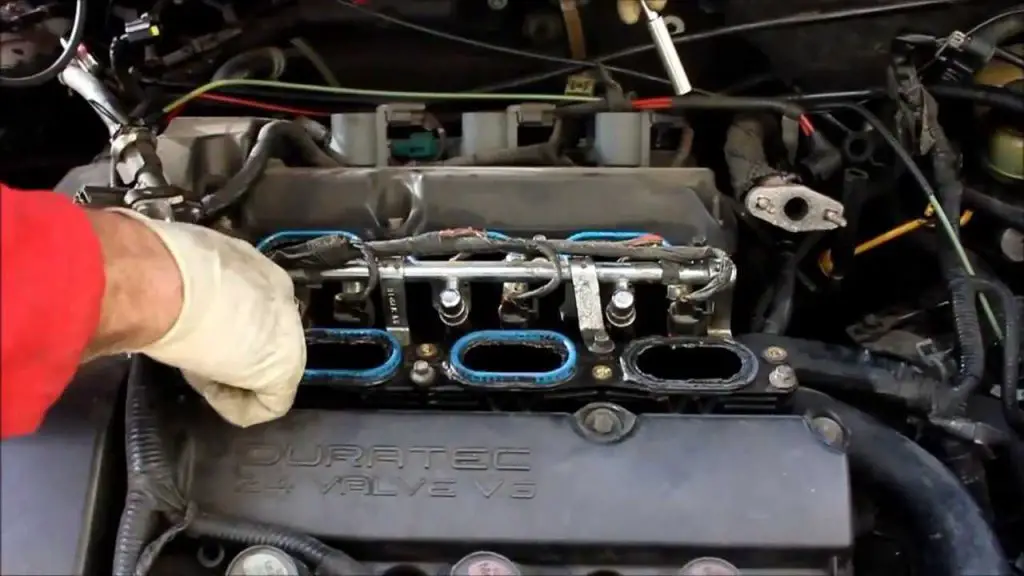
Vacuum Leaks
You already know that the symptoms of a leaking gasket include engine overheating. This happens due to a coolant leak. However, performance deteriorates when air starts to leak. Detecting an air leak is not as simple as detecting an oil spill.
But you can still do it. Turn off the engine and let the vehicle idle for a while. Spray carburetor cleaner on the joint where the intake manifold meets the engine. If the car idles faster and produces a smooth RPM, be sure that the gasket is leaking air. You can also look for cracks and damage at the engine’s rubber fittings and hoses.