
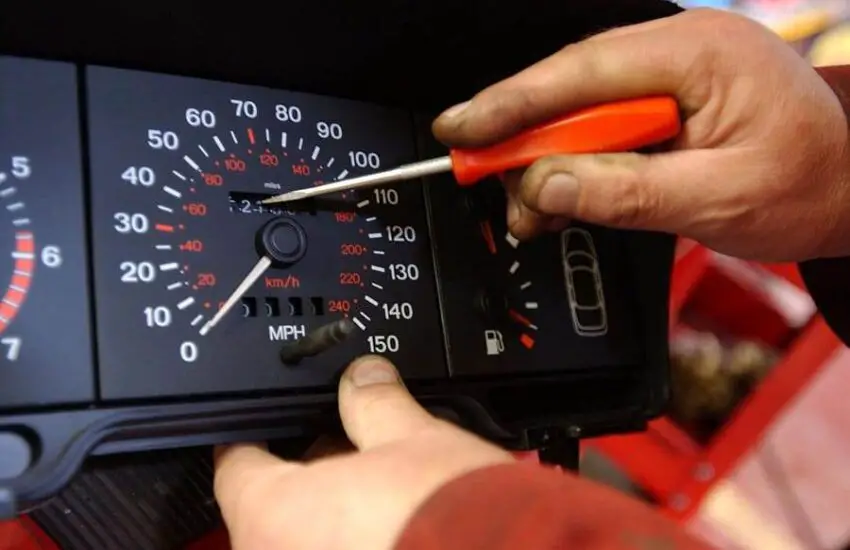
Many drivers who have used and are looking to buy a car believe that the higher the mileage, the more the car has been driven, and vice versa. Understanding this mindset, some scammers deliberately roll back the odometer, deceive car buyers, and sell at a higher price. To avoid falling victim to odometer fraud, it is necessary to have knowledge about the signs when the odometer has been rolled back. Below, we list some visible signs so you can avoid being exploited.
What is odometer rollback?
A car’s odometer is a useful measuring device in a vehicle. Indicators such as speed, mileage, oil temperature, fuel gauge, and oil pressure are displayed on this meter to help the driver be more proactive in the car driving process.
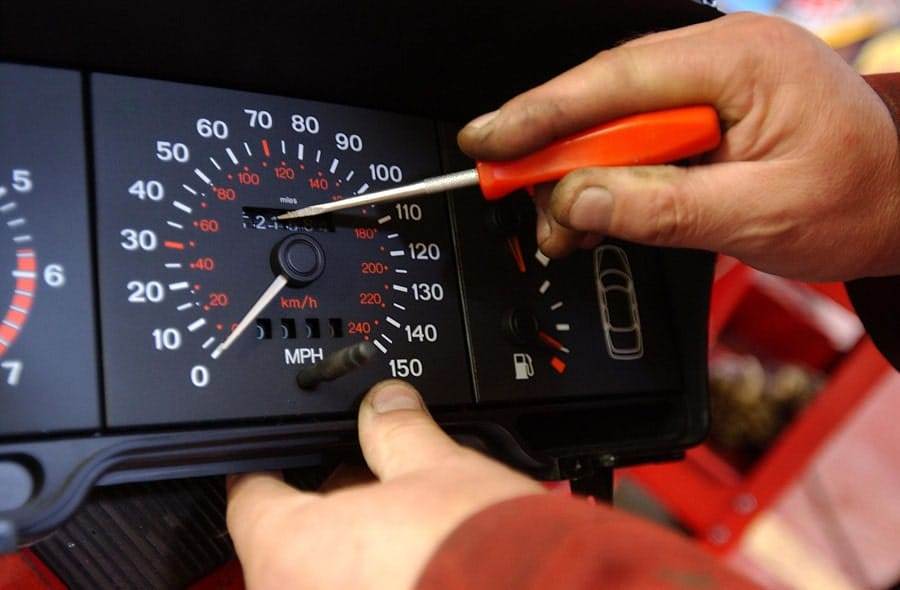
Most drivers believe that looking at the numbers displayed on the odometer tells them how many kilometers the car has traveled, but few consider the possibility that the odometer has been rolled back. Rolling back the odometer! What is it? Odometer fraud is the situation where scammers deliberately reduce hundreds or even thousands of kilometers from the number displayed on the odometer or alter the odometer reading.
This metric is important data for potential car buyers, and unfortunately, rolling back the odometer is a trick people have used for decades. Previously, odometer fraud was done manually. But with modern technology, with digital odometers, the rollback is done by removing the circuit boards to change or using a rewinding device attached directly to the vehicle’s electronic circuit.

6 pieces of evidence to tell you about odometer fraud.
Odometer rollback usually occurs when drivers decide to buy a used car, as the mileage driven is the factor that determines the car’s value. So if you are considering shopping for a used car or even a new car, do not ignore the following 5 signs to avoid these fake odometers:
Detect signs of odometer tampering
This is also a very important way to check if the odometer is fraudulent. You should notice the numbers printed on the odometer to see if they are misaligned or crooked. Check if there are notable discrepancies in the numbers at unnecessary lengths.
The second warning sign not to miss is the trace of fingerprints. Although not always a certain sign of tampering, smudged fingerprints inside the car’s odometer could be a sign telling you that someone is deliberately scamming you.
Damaged markings or materials around the odometer are a growing concern. Odometer tampering does not always occur, but at least it also lets you know that someone has done something to the odometer. In this situation, you can directly ask the dealers if the odometer has been tampered with or altered.
Check the vehicle documentation
When buying a used car, many experts recommend checking the documentation for information on parameters: year of manufacture, registration (for the first time and subsequent times for vehicles that have changed owners), and the number of times the vehicle’s owner has been changed. The year of first registration is when the car starts running, from which it is possible to calculate the average number of kilometers corresponding to the years the car has been driven.
On average, your car travels about 15,000 to 20,000 km per year with popular cars and under normal usage conditions. With luxury cars and sports cars, this number may be lower. Therefore, for vehicles that have been used for 3 years or more, it is not possible to have mileage of 20,000 – 25,000 km; if possible, it will be very rare.
Check the vehicle history report (VIN)
What does a VIN report tell you? A vehicle history report gives you a range of information about a car you are going to buy: odometer readings, ownership history, title status, and more. To get a report on the vehicle you want to buy, you will normally need a 17-digit vehicle identification number or VIN. The VIN is found on the driver’s side panel near the windshield. Through the VHR report, you will know the faulty odometer parameters and if any alteration has been performed on the odometer. It will also show the average miles driven for each previous owner.
Check the condition of the vehicle’s interior and exterior.
Car interior: The surface of the seat (especially the driver’s seat) if the car has low mileage, there will not be many wrinkles and the elasticity is still good, the wear on the steering wheel, buttons, door handles, etc. Conversely, these details are more likely to show wear, discoloration, and scratches.
Car exterior: scratches around the car body, whether the door rubber seal is still firm or broken, is the hood edge failing or still tight? Check for color difference, whether new paint covers scratches or not.
Wear and tear of car parts
Car manufacturing technology is improving day by day. Quality is increasingly higher, and it is difficult to check if the odometer has been rolled back or not. However, the odometer parameters will also come with the wear and tear of car parts, and car buyers can fully make their decision based on these signs:
- Tires are one of those spare parts that faithfully reflect the condition of your vehicle. Tire wear and tread depth can help you assess your vehicle’s usage. On average, a pair of tires has a lifespan of about 5 years. An odometer showing 25,000 miles should still have the original tire and a tread depth of 2/32 inches. You can use the Abraham Lincoln coin to check the depth.
- Check the undercarriage: This is an area few people care about. While it is the place where the car’s condition is clearly visible. Vehicles that have been used a lot will have signs of rust and many dents from rocks or when going up and down the curb. Additionally, the area under the car is also a place to know if the car has had a serious collision or a major accident.
- Inspect the accelerator, brake pedal, and gear lever: When the car is used a lot, the braking system will show signs of wear quite clearly. If the wear exceeds the number of kilometers displayed on the vehicle, drivers should wonder if the vehicle has been tampered with on the car’s odometer. If the pedal is in a too-new condition, it may also have been replaced.
Test drive the car
Once you have finished, one of the ways is to check if the odometer has been rolled back. You should also test drive the car before deciding to buy it. The action helps you know the driving feel and detect noises and vibrations from worn parts from previous use. One way to check old cars applied by experienced mechanics is to drive the car on steep slopes and bumpy roads… At the same time, turn on the air conditioner to its maximum capacity. This will help you easily detect errors in the engine system and chassis.
After checking some of the above details yourself and still not completely assured, you can take the car to reputable garages or authentic centers. Although it costs more, it is the most reliable way to check the overall condition of your vehicle before making a decision. It is best to have your car inspected by a mechanic, as they can immediately tell you if specific parts of the car are altered or wearing out more than usual.
What to do if you are a victim of mileage reduction?
The odometer rollback is an important factor for you to decide whether to buy that car or not. Of course, buyers want a reliable car to be a long-term partner. Knowing how many kilometers a car has traveled is a good indicator of its lifespan. Additionally, the value of a used car is heavily influenced by the distance traveled. Buying a car with a rolled-back odometer means you are paying more than its true value.
Our data suggests that there are one and a half million vehicles with an odometer rollback, and it costs people thousands of dollars. Because our decision to buy a car is always based on low mileage. Mileage is an important factor in the car’s price. For example, when you roll back 50,000 miles, you artificially inflate the car’s value. What to do and how to avoid falling prey to this scam?
What should we do if scammers rolled back the odometer?
If an odometer rollback happens to you, you must absolutely report the incident. It is a good way for you and future buyers not to be trapped by this scam by knowing the vehicle’s record. It is not only a good deed to help you get justice, but also the seller or dealers who committed this fraud will be held accountable for their illegal actions. Many drivers wonder, who should I report odometer fraud to? Depending on the country and state, we have agencies that handle complaints about odometer rollback:
- You can contact local law enforcement. They will investigate the issue, take appropriate action, and guide you to the next step.
- You can also report suspected odometer fraud to the national consumer protection agency or the NHTSA organization. They will help you file a complaint.
How to protect yourself from tampered odometers?
To prevent this scam from happening, we recommend buying a car from a trusted agency or seller. You must be aware of the potential for dominant fraud, something that occurs more often with unlicensed dealers or private sellers. They will help guarantee the quality and origin of the vehicle. If you are considering a new car or a used car, make sure you have all the necessary documents before buying. This will help you limit problems when driving the car.
Final thoughts
Cheating on the odometer leads to many problems for the unfortunate new owner. Not only do you have to pay more than the car’s value, but it will cost you maintenance and care measures. Probably, you do not know that a car’s age is not measured in years but in the number of kilometers traveled. We hope that through this article, you will have the necessary knowledge not to fall victim to these scams.