
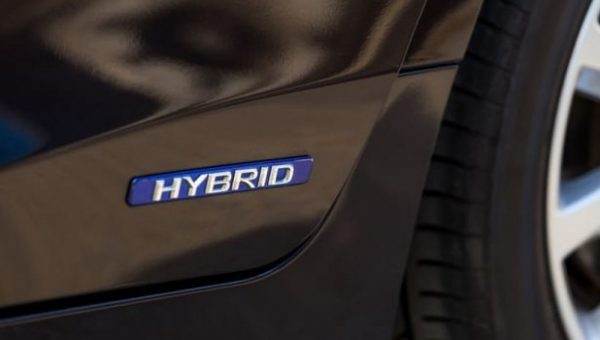

A hybrid electric vehicle is a vehicle that combines a conventional gasoline or diesel engine with one or more electric motors powered by the battery. The engine is meant to increase the propulsion power of the engine, although some hybrids can rely solely on electric power for short distances. These cars are gaining popularity due to their fuel economy benefits and their reputation for being more environmentally friendly.
Diesel hybrids are much rarer than gasoline hybrids because, despite technological advances, combining engines with electric power systems is more complex and expensive. Due to the torque characteristics of the engine, diesel units do not naturally complement traction motors in the same way as most gasoline units.
HOW DOES A HYBRID CAR WORK?
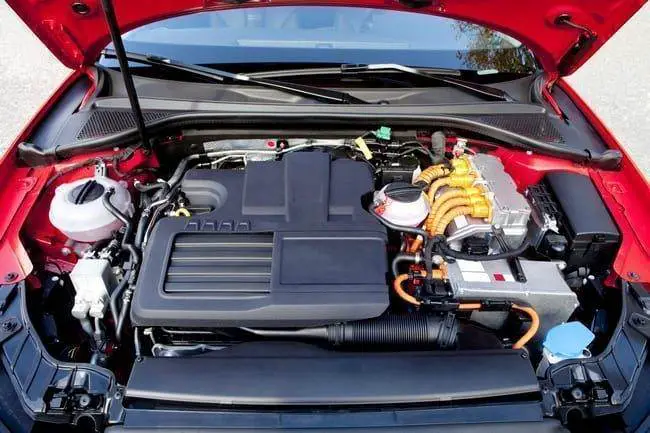
These vehicles typically feature an internal combustion engine, an electric motor, and a battery. However, there are now several types of hybrids on the market, and each type works in a slightly different way.
First, you need to know the difference between full hybrids (FHEV) and mild hybrids (MHEV). MHEV systems have smaller batteries, meaning they do not have the capacity to run solely on electricity. The electric motor is there to give the gasoline engine a boost during acceleration. Full hybrids, on the other hand, have a large enough capacity to operate in EV mode for short distances.
WHAT ARE THE ADVANTAGES AND DISADVANTAGES OF HYBRID VEHICLES?
- +They are expected to consume less fuel than standard gasoline vehicles, allowing you to save on gasoline
- +They emit less CO2 due to their low fuel consumption and are therefore considered more environmentally friendly.

- +Depending on where you live, tax benefits and other financial incentives may be offered if you buy a hybrid car.
- +They have a higher resale value as more people turn to hybrid electric cars
- +They have better MPG ratings than conventional vehicles
FAQ
⚠ How long do hybrid car batteries last?
These batteries are expected to last at least 10 years or 150,000 miles. Most of them are covered by a warranty, but new batteries can cost around £3,000.
⚠ Are hybrids reliable?
According to one of the latest Which? car surveys, gasoline hybrid cars were the most reliable compared to other cars using other types of fuel (gasoline, diesel, electric vehicles, and plug-in hybrids). Toyota and Honda are known for making very reliable HEVs, such as the Toyota Prius and Honda Accord.
⚠ Are HEVs manual or automatic?
The vast majority of hybrid vehicles are automatic, but there are a few mild HEVs with manual transmissions. Adding a manual transmission system to a car that can run on electricity is not advantageous.