
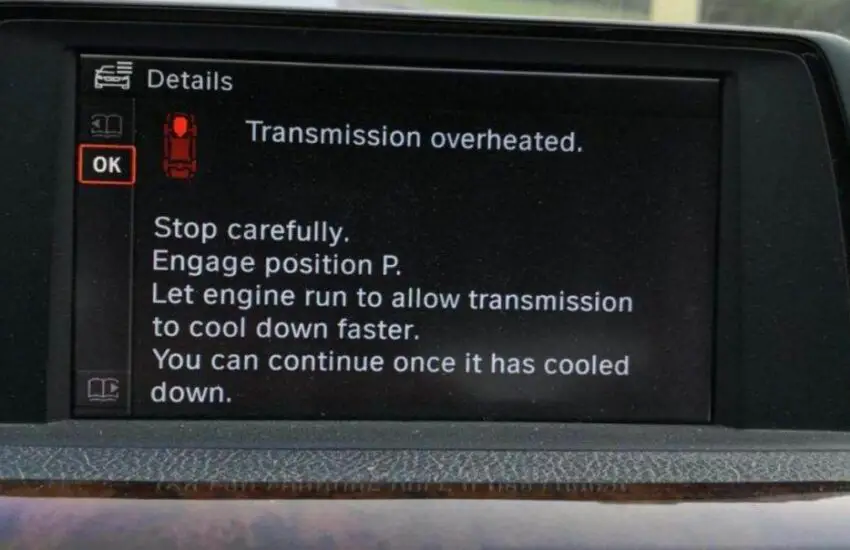
Just like the engine, due to its high operating frequency, the car’s transmission is prone to overheating. When the transmission overheats, it can disrupt this essential process, leading to decreased performance and potentially costly repairs. That’s why in this topic we will discuss in detail the causes and symptoms of transmission overheating.
What should my transmission temperature be?
Most car transmissions are designed to operate within an ideal temperature range of 175 to 200 degrees Fahrenheit (79 to 93 degrees Celsius). Exceeding this limit by 20 degrees doubles the risk of prematurely decreasing the transmission’s lifespan. When the temperature reaches 240 degrees Fahrenheit (116 degrees Celsius), the organic oil present in the gearbox can turn into varnish, leading to inadequate lubrication of the internal moving components of the transmission.
It should be noted that transmission temperature can fluctuate depending on driving conditions, such as heavy loads, dense traffic, or towing. Some vehicles may also have a transmission temperature gauge or a warning light that can provide real-time information about the transmission temperature, so you can monitor it to act in a timely manner.
When the transmission overheats, it means that at that moment, the transmission fluid temperature exceeded the recommended operating range. This problem can occur for some of the following reasons:

What causes a transmission to overheat?
Transmission overheating can be caused by a lack of fluid, insufficient lubrication, impurities, or poor-quality lubricating oil. Additionally, some mechanical issues such as size discrepancies, friction between parts, and hard bearings will also lead to gearbox overheating. Let’s review each cause for better understanding:
Low transmission fluid level
Transmission fluid is an important catalyst that helps the machine parts inside the gearbox to cool down and operate smoothly and stably. A lack of transmission fluid will lead to transmission overheating and can even cause a fire or explosion due to excessive friction between unlubricated metal parts. Furthermore, low fluid levels or degraded fluid can impair the transmission’s ability to dissipate heat effectively, leading to overheating. That’s why you must regularly check the fluid level and change it according to the manufacturer’s recommendations.
Too much transmission fluid
When there is an excessive amount of transmission fluid, it can lead to increased fluid pressure. This can cause the fluid to foam, which reduces its ability to effectively lubricate and cool the transmission components. Inadequate cooling and lubrication can lead to increased friction and heat buildup, causing overheating.
Furthermore, excess fluid can also put pressure on the transmission seals and cause leaks. Fluid leaks further contribute to a drop in fluid levels and can exacerbate the overheating problem.
Faulty transmission cooler
The transmission cooler is responsible for cooling the transmission fluid. If the cooler is damaged, clogged, or not functioning properly, it will hinder the cooling process and lead to transmission overheating.
Overloading the transmission
Driving conditions that place excessive strain on the transmission, such as towing heavy loads or driving on hilly terrain, can cause the transmission to overheat. These situations require the transmission to work harder, generating more heat than usual.
Faulty or slipping clutch (manual transmission)
In a manual transmission, a friction clutch can generate excessive heat due to the friction between the clutch components. This can lead to transmission overheating.
Watch more:
Symptoms of transmission overheating you should not ignore
An overheated transmission can lead to several problems and potential damage. Here are some common signs to watch for:
1. Burning smell
An overheating transmission can often lead to a distinct burning smell when the transmission oil starts to burn, resulting in inefficient transmission operation. This event is commonly observed in vehicles subjected to continuous operation, long-distance trips, or heavy loads. If left unaddressed, the transmission’s overall performance will deteriorate significantly.
This situation can occur due to the driver’s misuse of the clutch or when the transmission fluid is low or degraded, causing overheating and subsequent burning. Therefore, this contributes to the wear and contamination of the clutch pads.
2. Fluid leak
Overheating can cause the degradation or failure of the transmission’s seals and gaskets, leading to fluid leaks. Unlike engine oil, the transmission does not consume oil during its operation. If the transmission fluid leaks, the transmission will operate with low fluid levels, thereby increasing the risk of overheating. This is the quickest way to transmission failure.
If you see a puddle of red fluid under the vehicle, take the vehicle to a service center immediately.
3. Slipping gears
When a transmission overheats, it can lead to a decrease in the viscosity and effectiveness of the transmission fluid. This reduction in fluid viscosity can result in insufficient hydraulic pressure, causing the transmission to struggle to engage and maintain the proper gear.
As a result, you may experience gear slippage, which manifests as a delay in gear engagement, a lack of power, or a feeling of the engine revving without a corresponding increase in vehicle speed. The transmission may also exhibit irregular shifting behavior, such as harsh or delayed gear changes or getting stuck in a specific gear.
4. Warning light
Nowadays, most vehicles are equipped with sensors and warning systems that monitor various aspects of the vehicle’s operation, including transmission temperature.
When the transmission temperature exceeds a certain threshold, a dedicated light or an indicator on the dashboard may illuminate to alert the driver of the overheating problem. The specific symbol or wording of the warning light may vary depending on the vehicle’s make and model.
5. Loss of power
Overheating can also damage the torque converter, a component responsible for transferring power from the engine to the transmission. A damaged or faulty torque converter can lead to a loss of power.
6. Strange noise
Although strange noises can indicate transmission problems, they are not usually directly associated with transmission overheating. However, overheating can contribute to other problems within the transmission that can produce unusual sounds. For example, overheating can damage various transmission components, such as clutches, gears, or bearings. If these components wear out or become misaligned due to overheating, they may produce abnormal noises such as grinding, whining, or rattling.
What to do if the transmission overheats?
If you notice signs of transmission overheating, such as a burning smell, fluid leaks, or warning lights on the dashboard, it is important to address the issue promptly. Stop safely, let the transmission cool down, and check the level and condition of the transmission fluid. If the problem persists, it is advisable to have your vehicle inspected by a qualified mechanic to diagnose and repair any underlying issues causing the overheating:
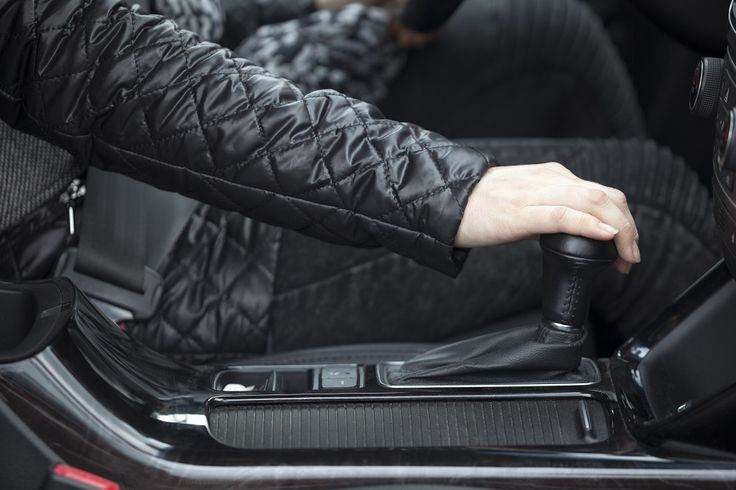
Stop safely
As soon as you notice signs of transmission overheating, find a safe place to stop. Avoid sudden braking or sharp maneuvers to minimize stress on the transmission.
Turn off the engine
Once the vehicle is parked, turn off the engine. This will help prevent further heat buildup and potential damage to the transmission.
Let the transmission cool down
Give the transmission enough time to cool down before attempting any further action. This can take from 30 minutes to several hours, depending on the severity of the overheating.
Check the transmission fluid level and condition
While waiting for the transmission to cool, you can check the level and condition of the transmission fluid. Ensure the vehicle is on a level surface and follow the manufacturer’s instructions for checking the fluid. If the fluid level is low or appears burnt or contaminated, it may indicate an underlying issue contributing to the overheating.
Address the cause
Once the transmission has cooled and you have checked the fluid, it is important to address the underlying cause of the overheating. Common causes can include low fluid levels, fluid leaks, a faulty cooling system, or driving under heavy loads or in extreme conditions. If you are unable to determine the cause or if the problem persists, it is recommended to seek the assistance of a qualified mechanic.
Avoid driving until the issue is resolved
To prevent further damage, it is best to avoid driving the vehicle until the cause of the transmission overheating has been identified and resolved. Continuing to drive with an overheating transmission can lead to severe damage and complete transmission failure.
Remember that transmission overheating is a serious problem that should not be ignored. Taking prompt action and addressing the underlying cause can help avoid costly repairs and ensure the longevity of your transmission.