
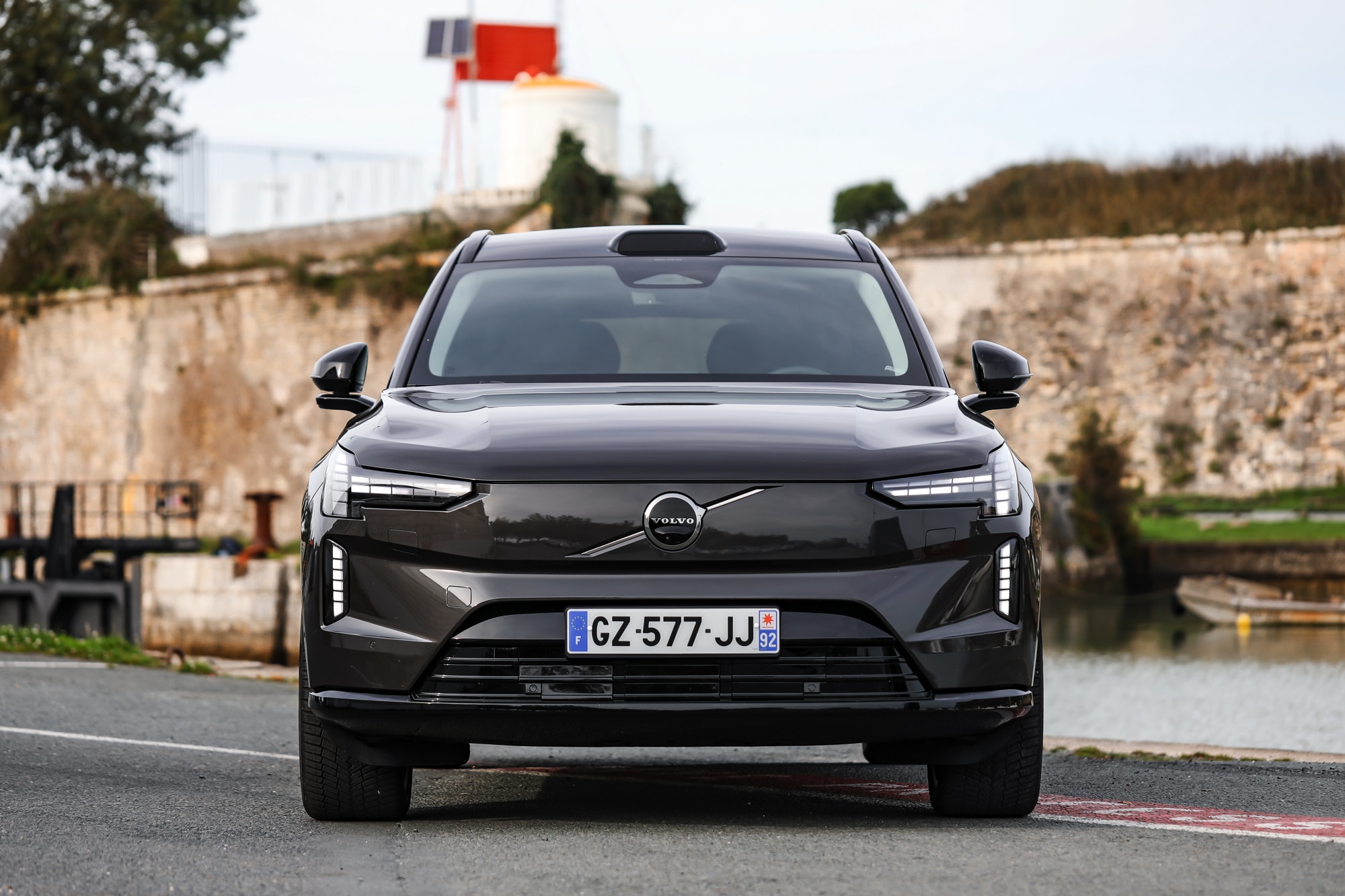
Volvo Reverses LiDAR Strategy for New EVs
Volvo has made a significant shift in its safety technology approach by removing LiDAR as standard equipment from its upcoming electric models. The Swedish automaker had initially committed to including this advanced sensor system across its premium EX90 and ES90 electric vehicles to enhance autonomous driving capabilities. This reversal stems from substantial supply chain disruptions that have impacted production timelines, forcing the company to reevaluate its feature standardization.
Supply Chain Challenges Force Feature Reevaluation
The global automotive industry continues facing component shortages and manufacturing delays, particularly for sophisticated technologies like LiDAR systems. Volvo’s decision reflects broader challenges in securing consistent supplies of specialized hardware required for next-generation driver assistance systems. While disappointing for safety advocates, this move allows Volvo to maintain production schedules for their crucial electric vehicle launches without compromising vehicle availability.
Impact on Volvo’s Safety Reputation
Volvo has built its brand identity around safety leadership, making this equipment change particularly notable. The company emphasizes that even without standard LiDAR, their vehicles will maintain comprehensive safety suites using radar, cameras and ultrasonic sensors. However, the absence of LiDAR’s precise object detection and distance measurement capabilities represents a temporary step back from their vision for collision-free driving.
Future Availability as Optional Equipment
Industry observers note that LiDAR will likely remain available as optional equipment or might be reintroduced as standard once supply constraints ease. This approach mirrors strategies adopted by other premium automakers balancing technological ambitions with manufacturing realities. For now, Volvo appears focused on delivering their electric vehicles to market while managing component availability challenges.
The automotive sector continues navigating complex supply chain dynamics while advancing toward more autonomous vehicles. Volvo’s experience demonstrates how even well-established manufacturers must adapt their technology rollout plans when facing production limitations.