
If you are passionate about cars, you must have watched the Fast and Furious series. You may not have liked the movies, but your heart was racing like the race cars every time the camera panned to an actor jumping on the clutch and shifting gears. Many people want to enjoy the adrenaline rush of shifting gears, but not everyone is willing to do so at the expense of the benefits of an automatic transmission. The Tiptronic transmission can solve this dilemma by offering the benefits of both worlds!
Car enthusiasts will literally split into two groups when it comes to choosing between automatic and manual transmissions. Both types have their zealous supporters, but it is undeniable that each has unique advantages that the other type cannot offer. The Tiptronic transmission can be the bridge between the two types. Let’s find out what Tiptronic is, how it works, and its advantage over the automatic transmission.
What is the Tiptronic transmission?
Packard and Chrysler were the first car manufacturers to experiment with the concept of Tiptronic transmission in the late 1930s. They developed a semi-automatic mechanism capable of automatically operating the clutch during gear changes.
In the modern world, the Volkswagen-Audi group takes the Tiptronic turn as a brand-specific automatic transmission. You will see this variation in some first-class luxury brands such as BMW, Mercedes-Benz, Audi, Porsche, as well as in some standard vehicles like Citroën Sensodrive, Honda iShift, Chrysler AutoStick, and more.
Definition of Tiptronic transmission
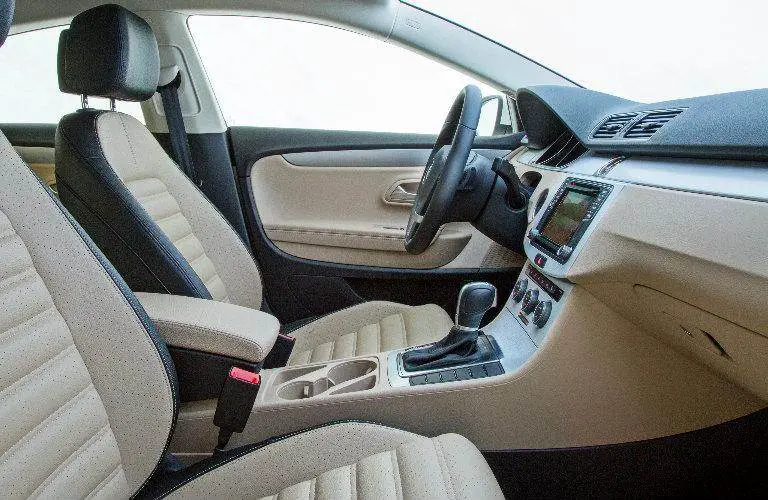
This particular type is similar to an automatic transmission but offers the driver the ability to shift gears manually. It allows you to shift up and down in this mode using the gear lever or the paddles behind the steering wheel. It was developed with the idea of extracting the best performance from a vehicle.
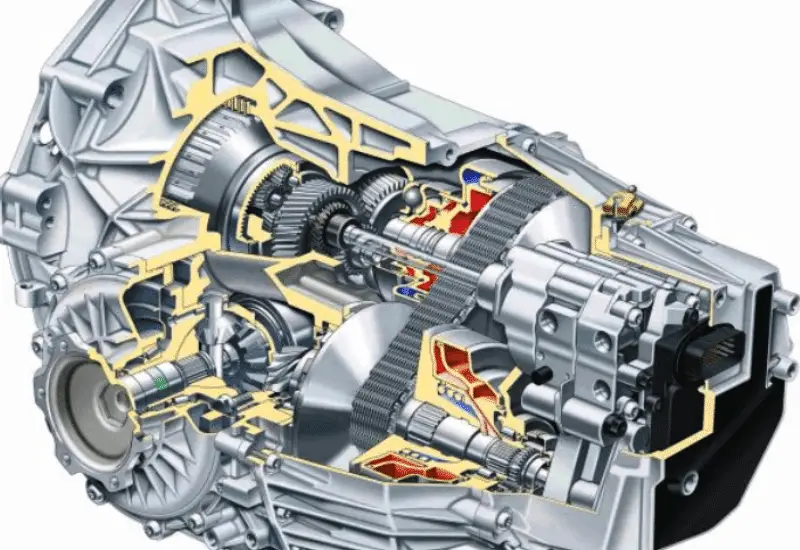
Unlike semi-automatics, the Tiptronic transmission technology uses a torque converter instead of a clutch. It also integrates some manual functions into an automatic mechanism.
Advantages of a Tiptronic gear shift
A Tiptronic gearbox allows the driver to manually manage the nuances of two options: upshifting and downshifting. After switching from automatic mode to the manual option, the driver can make the gear-shifting decisions. Thus, it is entirely possible to enhance braking power with deliberate downshifting or increase acceleration by using upshifting while enjoying the traditional features of automatic transmission. The unique advantages of Tiptronic technology are:
- Gear controls can be performed by both the driver and the car’s computer system (ECU), making it suitable for both novice and experienced drivers.
- Manual navigation for upshifting and downshifting allows the driver to have more control over the gear-shifting action.
To ensure safety, there is built-in protection to revert to automatic control if the driver neglects the redline of the engine speed. - Just like navigating an automatic transmission, it does not require much skill to operate a Tiptronic transmission. Thus, even beginner drivers can drive a car with this mechanism.
What is the working principle of a Tiptronic transmission?
The operating mechanism of this system may seem complex because it uses techniques from both types of transmission. It goes without saying that it has two modes: automatic transmission and manual gear shifting.
- The automatic mode – The car’s ECU controls the entire transmission system, requiring the driver to do nothing other than operate the brake and accelerator. This mode is suitable for amateur drivers and when you are driving in the city. It will provide hassle-free navigation through all traffic.
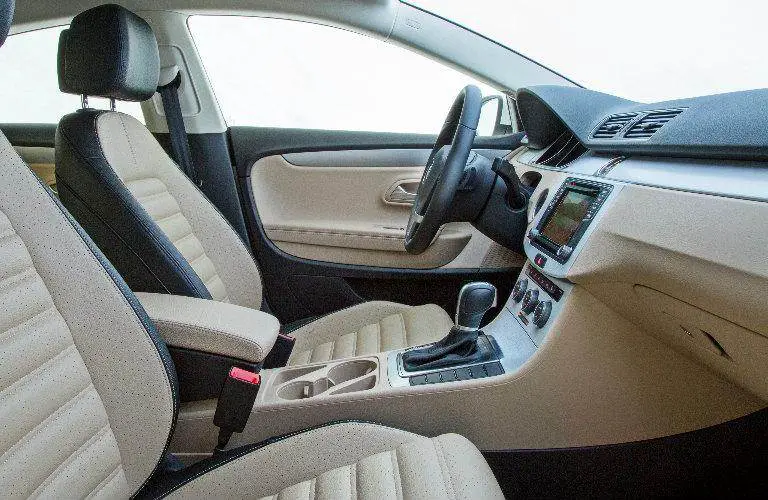
- The manual mode – It allows the driver to take control of the transmission, specifically the gear shifting. There are paddles mounted on the steering wheel or a gear lever knob to perform the mode change. When you use it, the internal actuators of the transmission change the gear to an upshift or downshift position.
The ECU always retains much of the control (for safety reasons, of course) when you switch to manual mode. For example, the Tiptronic transmission of Audi continues to automatically shift from first to second gear during manual operation. This also highlights the safety measures taken by the vehicle’s central computer system. Most models equipped with this transmission have built-in protections for high and low engine speeds.
If the engine speed exceeds the maximum limit, the ECU intervenes to correct the gear shift. Similarly, it performs a downshift when the engine speed exceeds the lowest limit. Many modern cars are equipped with the Tiptronic S version of this transmission, which automatically switches to automatic mode if the driver gives no input for 8 seconds. All these features are standard safety measures that prevent engine failure.
Watch the video to learn more about the mechanism of a Tiptronic transmission:
The difference between Tiptronic and automatic transmission
Tiptronic is a kind of automatic transmission but it has some differences compared to a standard automatic system.
A Tiptronic system gives drivers the freedom to choose how they want to drive. They can enjoy the simple, hassle-free driving of automatic navigation and the fun of gear shifting in manual transmission. Although it allows for acceleration or deceleration, the ECU always monitors if the engine speed exceeds danger limits. It takes control if something goes wrong or if the driver does not use the gear shift for a set period. In contrast, the automatic transmission always controls the gear shifts and engine speed.
There are different advanced versions of the Tiptronic transmission. For example, the Porsche Cayenne has an 8-speed Tiptronic S version that learns the driver’s behavior and acts accordingly, according to the manufacturer. Many modern cars are equipped with advanced versions of automatic transmission, but none of them have this feature.
The two transmissions are similar in that they are easy to use. Even a new driver can drive and perform routine trips through urban areas.
Conclusion
A Tiptronic transmission offers the driver the best of both automatic and manual gear shifting. You can change gears without pressing a clutch and remain worry-free thanks to the built-in safety functions. There is almost no possibility of making a driving mistake when you drive a car equipped with a Tiptronic system.