
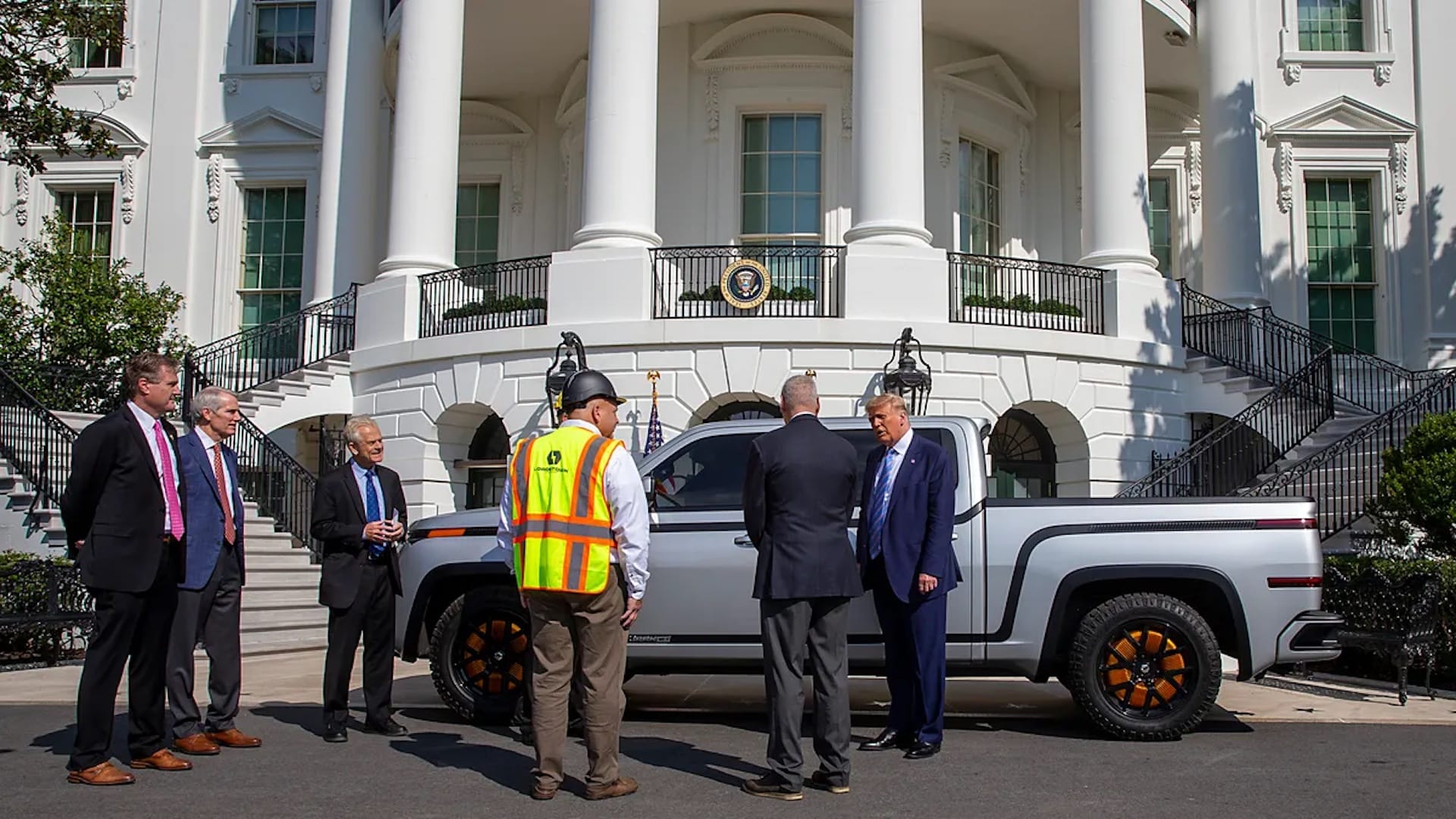
A Policy Reversal on Vehicle Emissions
In a significant policy announcement, former President Donald Trump has pledged to roll back stringent fuel economy and CO2 emission standards for automobiles. This move directly challenges the current administration’s accelerated push toward electric vehicle (EV) adoption, signaling a potential strategic pivot in American energy and automotive policy. The proposal aims to bolster the traditional internal combustion engine industry and fossil fuel sectors, reigniting a contentious national debate on climate goals and economic priorities.
Implications for the Electric Vehicle Market
This regulatory shift could substantially alter the trajectory of the U.S. auto industry. By easing compliance pressures on car manufacturers, the policy may slow down the planned phase-out of gasoline and diesel vehicles. Automakers who have invested heavily in electrification may face conflicting signals, potentially leading to delayed EV model launches and reduced investment in domestic battery production infrastructure. Consumer incentives for purchasing electric cars could also be deprioritized, affecting demand.
Broader Energy and Environmental Impact
The decision extends beyond the showroom, influencing broader energy independence and environmental targets. A sustained reliance on gasoline-powered vehicles would likely maintain high domestic oil consumption, impacting geopolitical energy strategies. Environmental groups warn that loosening emission rules will result in increased greenhouse gas outputs, making federally mandated climate targets more difficult to achieve. This policy direction underscores a fundamental disagreement on balancing industrial competitiveness with ecological responsibility.
As the political landscape evolves, the long-term impact on technology innovation and the United States’ position in the global clean energy race remains uncertain. The automotive industry now faces a period of regulatory ambiguity, with its strategic planning contingent on upcoming electoral outcomes and subsequent policy directions.