
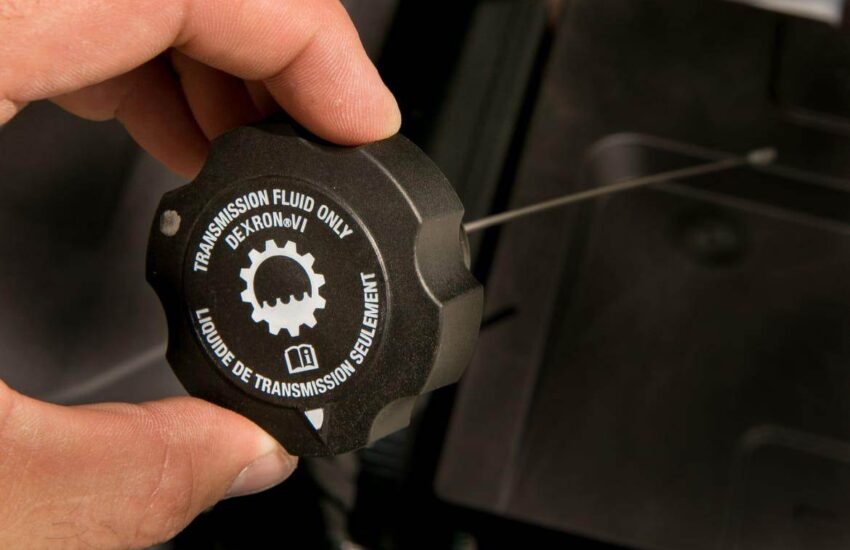
Transmission fluid is nothing less than the lifeblood of the transmission system. It preserves all the system’s components, allowing them to function correctly. And symptoms of low transmission fluid level can lead to irreparable wear of parts.
The damage will be even worse in an automatic car because the automatic transmission fluid (ATF) also acts as an antifreeze to prevent the engine from overheating.
What is transmission fluid used for?
Its main function is to lubricate the transmission system. Lubrication helps transfer power from the engine to the ground.
The torque converter also uses the fluid to transfer the engine’s rotational force to the transmission. The fluid also absorbs the heat created inside the system and distributes it through the radiator.
Driving with low transmission fluid is extremely dangerous because it could lead to transmission failure and other costly repairs. You need to know what happens if your transmission fluid is low and act immediately when symptoms appear.
Low Transmission Fluid Symptoms: 10 Alerts to Keep in Mind
Transmission fluid does not need to be changed for the entire lifespan of a vehicle. However, depending on the car you drive, you may need to flush it several times or change it every 50,000 miles.
The low fluid level can be the result of a leak through a cracked or worn component. In this case, you need to repair the damaged part and refill with fluid.
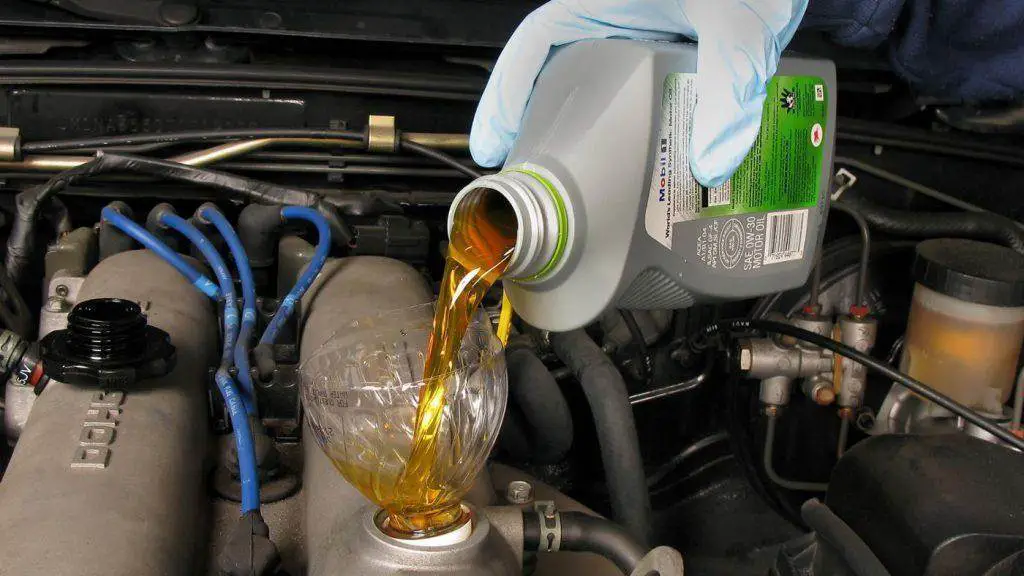
How to know if transmission fluid is low? Be wary of these low transmission fluid symptoms.
Gear Shifting Problem
The first sign when your car experiences a low transmission fluid level is a gear shifting problem. Dirt or grime in the fluid is the main reason for a slow transmission response.
Whether you drive a manual or automatic transmission, the gearbox oil must be clean and free of any dirt residue so it can flow inside the parts without any hitches.
Dirty oil will lead to an overly slow shift response. Low manual transmission fluid symptoms will make shifting extremely difficult.
Erratic Shifting
Erratic shifting causes the gear to shift too late or too early. It’s one of the signs of automatic cars with low transmission fluid. You can be sure of the problem if there is a clunking noise accompanying it.
The hydraulic pressure must be precise and operate smoothly to change gears in an automatic transmission. A lack of fluid will disrupt the rhythm of the shift timing.
Transmission Surging
The condition causes the vehicle to lurch forward before falling back during normal driving operations. Insufficient fluid force is the sole reason for these jerky movements.
Delayed Gear Engagement
The gear lever will produce a delayed response when you move it into “Drive” or “Reverse” mode. A low fluid level means low pressure in the transmission, resulting in a delay in shifting.
The response time is about 2 to 3 seconds, which is enough to tell you there is a problem with the transmission fluid.
Gear Slipping
Low transmission fluid symptoms also include the engaged gear slipping. It doesn’t let the gear stay in the mode you selected.
If the fluid level is correct, the culprit must be the buildup of residue that prevents the fluid from flowing freely.
The Transmission Overheats
One of the most important functions of the fluid is to maintain the transmission temperature at a normal level. When there isn’t enough fluid to lubricate the components, there will be a huge amount of friction, leading to the production of excessive heat.
You will encounter an overheated transmission in case of delayed shifting, gear slipping, power loss, or other related issues, as some signs indicate that the transmission fluid is low.
When you experience low transmission fluid level symptoms, immediately pull the car over to allow the components to cool down. When the temperature has returned to normal, try driving to a maintenance workshop.
Call a towing service if the symptoms persist. Remember that the transmission system will suffer severe damage if the temperature exceeds 240°F.
Noises
If your transmission is in good working order, you shouldn’t hear any noises while driving since it should shift smoothly. Unusual noises vary not only by manufacturers and models but also between transmission types.
When shifting gears, manual gearboxes frequently create a loud clunking or grinding noise, while automated transmissions moan or hum.
The noises may suggest that the fluid level is low, but you won’t be able to detect the problem on your own. To avoid laborious repairs due to the low transmission fluid sound, have the issue checked by a professional expert as soon as possible.
Burning Smells
Any bad smell emanating from your vehicle should guide you to the nearest maintenance center.
There are various reasons why your automobile may start emitting a burning smell, one of which is the presence of overheated transmission fluid. This symptom can indicate a low fluid level.
When a gearbox becomes too hot, the friction between components increases, causing significant buildup and damaging the transmission. If kept in this state, the transmission will eventually become injured and non-functional.
Slow Acceleration
If your car is slow to start or unresponsive when accelerating from a stop, it could be due to a transmission problem.
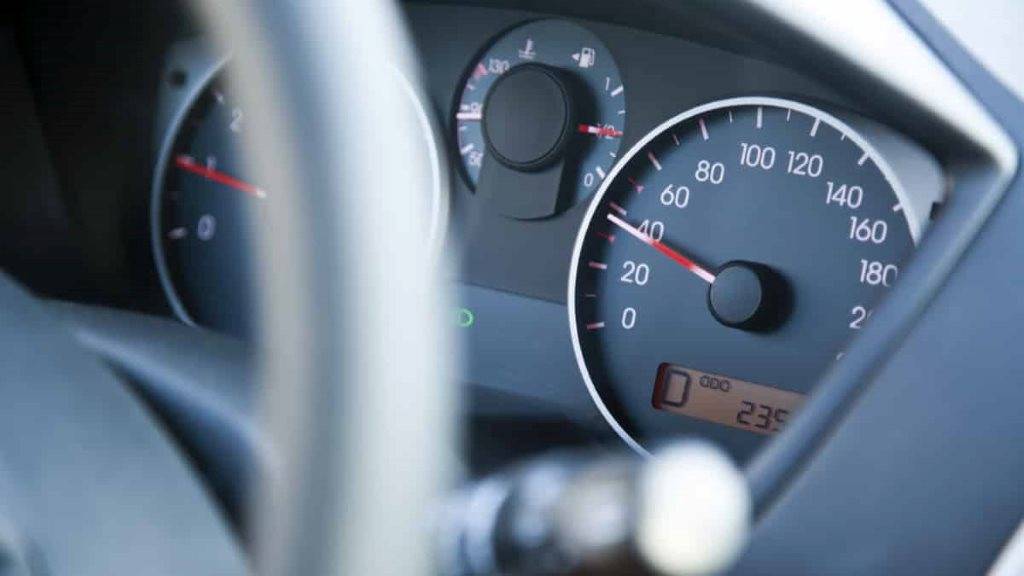
If you notice that you might be driving with low transmission fluid with these symptoms above, bring your car to the trusted local service workshop and have it inspected and serviced immediately.
The Warning Light is On
When a Check Engine light appears on your dashboard, you should always bring it to a repair shop to have it checked. This light can appear for various reasons, one of which is a problem with your transmission fluid.
How to Check Transmission Fluid?
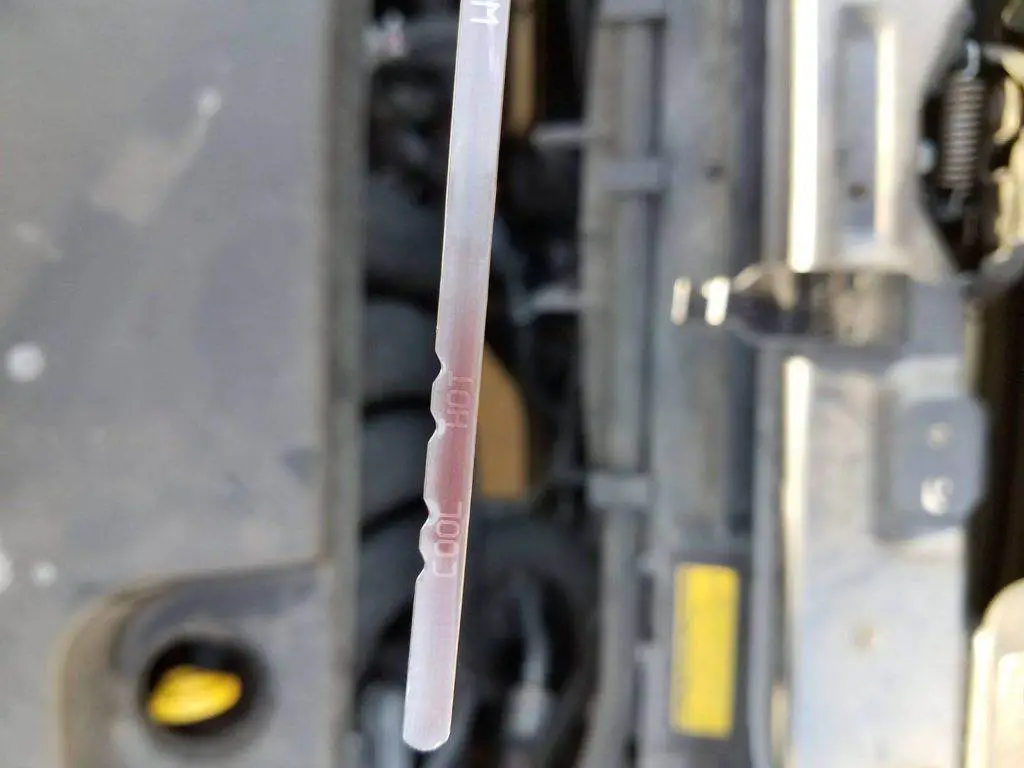
If your car starts showing any of these low transmission fluid symptoms, you need to check the fluid level to be sure. Use a dipstick to see if the fluid level matches that mentioned in the owner’s manual.
You should also look for any change in color or smell, as bad fluid also leads to many transmission problems. Perform the dipstick test at least once a month and do a fluid change if the color turns brown or black, or if the fluid emits a burning smell.
If the oil level is lower than it should be, take the car to a garage to discover the source of the problem – either a leak or a damaged component. The dipstick will let you know if the problem comes from the fluid level or not.
Watch the video below by George Melnik to learn how to check the transmission fluid level!
Did you enjoy our article on low transmission fluid symptoms above? If you have any questions related to this topic, feel free to leave them in the comments section. We greatly appreciate your input and will answer your question shortly.