
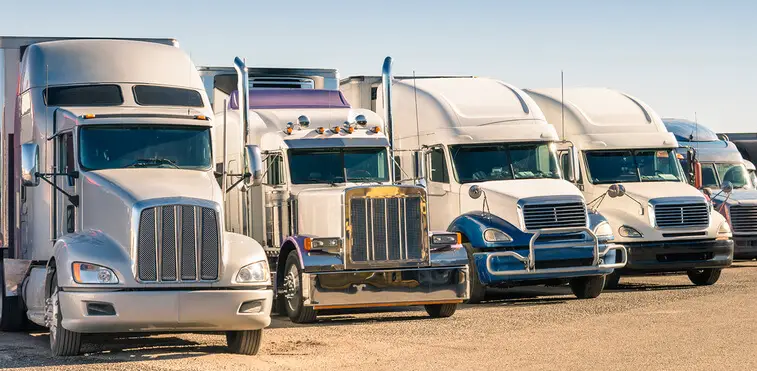
The Total Cost of Ownership of a Truck. Acquiring a truck is a long-term commitment and involves many expenses. It is essential to understand the financial implications to assess the true price of the chosen vehicle. These costs are crucial, whether you are an independent owner-operator or managing a large fleet. They include purchase, repairs, fuel, maintenance, driver salaries, insurance, and taxes, forming a significant part of overall expenses. A precise understanding of these elements is fundamental for rigorous financial planning and effective management in a highly competitive market.
The Average Annual Cost of Ownership
The average annual cost of owning a truck generally ranges between €150,000 and €180,000. This estimate includes both fixed and variable costs: acquisition, fuel, repairs, insurance, salaries, taxes, and tolls. Fuel and driver payroll are the largest expense items, with fuel accounting for up to 40% of operating costs. Newer models often result in lower maintenance costs, but their purchase or lease price is higher. Using tools like Total Cost of Ownership (TCO) is essential for accurate business planning and profitability control.
Factors Influencing the Total Cost
Vehicle Acquisition Costs
Purchasing the truck is the most significant initial investment. The price of a new one ranges between €130,000 and €200,000. A used vehicle is cheaper to buy but may lead to higher maintenance costs. Leasing offers an alternative with reduced initial costs but higher monthly payments. Customizations (GPS systems, refrigeration units) also impact the final price.
Fuel Costs
A major expense item, fuel can represent 30 to 40% of the total budget. Its consumption depends on the type of truck, distances traveled, location, and traffic conditions. Long trips at constant speed are more economical than urban driving. To reduce these costs, adopt efficient driving practices, use optimized navigation, and consider newer or electric models.
Maintenance and Repairs
Regular maintenance (oil changes, tire replacements, inspections) is crucial to avoid unexpected and costly repairs. Mechanical failures (engine, transmission) heavily impact the budget, especially as the truck ages. Strictly adhering to maintenance schedules and performing pre-trip inspections are effective ways to control these expenses.
Driver Salaries
Driver compensation is one of the largest expense items. Wages, bonuses, and benefits vary based on experience and labor shortages in certain regions. Retaining drivers through good working conditions helps reduce turnover-related costs. For an owner-operator, their own salary is included in operating costs.
Taxes, Tolls, and Insurance
Registration fees, taxes (such as IFTA for fuel), and tolls are unavoidable. Their amounts depend on the vehicle’s weight, routes taken, and regions traversed. Insurance is also a significant fixed cost. Digitalization (electronic toll collection) facilitates payments, but rigorous accounting of these fees is necessary.
Conclusion
Mastering the total cost of ownership of a truck is imperative for the sustainability of any transport business. A detailed analysis of each expense item – acquisition, fuel, maintenance, salaries, and taxes – allows for optimizing profitability and ensuring sound financial management in a demanding sector.