
Choosing the Right Garage Heater
The market for garage heaters is vast, filled with portable models and hundreds of options available online at every price point. Navigating this selection can be daunting. The key is to find a unit that matches your specific garage size and usage without needing to sift through endless buying guides. For a standard residential garage, industrial-grade equipment is unnecessary, but extreme caution is advised against non-certified, low-end appliances. These can prove far more costly in the long run due to inefficiency and potential safety hazards.
Matching Heater Output to Garage Size
Selecting the correct heating capacity is the most critical step. A unit that is too small will struggle to warm the space, while an oversized heater will cycle on and off inefficiently. As a general rule, you need approximately 10,000 BTUs for every 500 square feet of well-insulated space. For a single-car garage (approx. 250-400 sq ft), a compact electric or propane heater around 5,000-8,000 BTUs is often sufficient. A two-car garage (approx. 500-600 sq ft) typically requires a 10,000-12,000 BTU unit. For a larger three-car or workshop space (750+ sq ft), look for powerful models starting at 15,000 BTUs, often in the form of a mounted gas or electric forced-air heater.
Trusted Heater Types and Brands
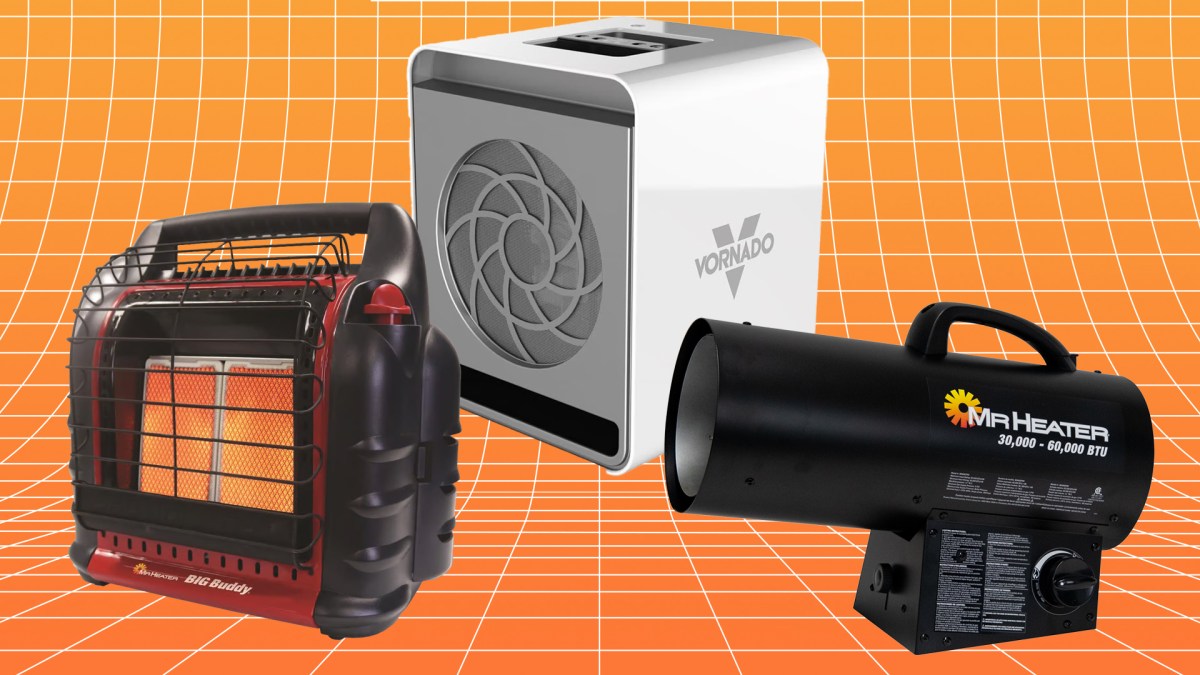
Different technologies suit different needs. For quick, portable heat, propane radiant heaters are popular and effective, with brands like Mr. Heater being a top choice for their safety features. For permanent, efficient heating, electric infrared heaters provide silent, targeted warmth; Dr. Infrared and Heat Storm are notable brands in this category. For whole-garage heating, gas-fired forced air units from brands such as Modine or Hot Dawg are industry standards for power and reliability. Always prioritize models with independent safety certifications from organizations like CSA or UL.
Essential Safety and Efficiency Tips
Beyond the brand, ensure your garage is properly insulated to retain heat and reduce energy costs. Regardless of the heater type, maintain clearances from flammable materials as specified by the manufacturer. Proper ventilation is non-negotiable for fuel-burning models to prevent carbon monoxide buildup. Investing in a quality, certified heater from a reputable brand is an investment in both comfort and safety for your vehicles and workspace.