
The Persistent Problem of Potholes
Potholes are a universal nuisance on roadways worldwide. Their formation, driven by freeze-thaw cycles, heavy traffic, and water infiltration, is a relentless process. For municipal authorities, the traditional repair cycle is fraught with delays. Often, crews are only mobilized after reports of vehicle damage or safety hazards, leading to prolonged road hazards and escalating repair costs for drivers and cities alike.
Revolutionizing Road Repair with Technology
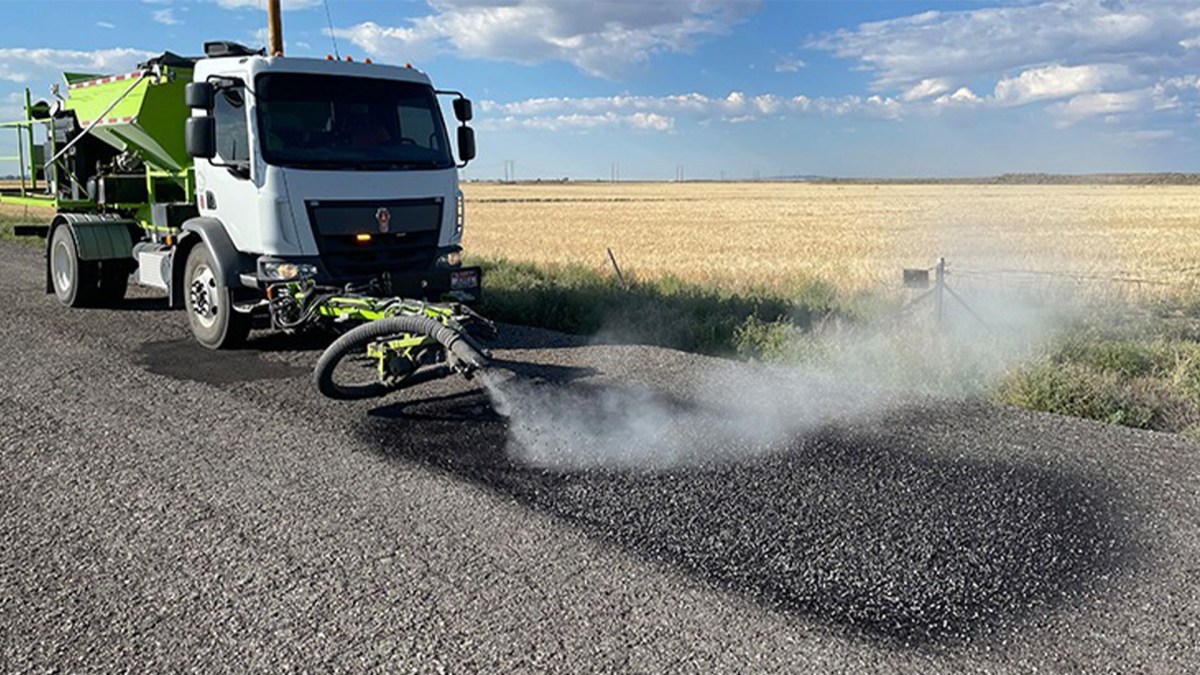
A groundbreaking solution is transforming this scenario: specialized asphalt-spraying trucks. These vehicles are equipped with an integrated system that cleans, fills, and seals a pothole in a matter of minutes. The process is remarkably efficient. First, a high-pressure air blast clears debris and moisture from the cavity. Then, a precise spray application coats the interior with a tack coat to ensure adhesion. Finally, a mixture of aggregate and asphalt emulsion is sprayed into the hole, building up layers until it is slightly overfilled and then compacted.
Benefits Beyond Speed
The advantages of this technology extend far beyond rapid application. By enabling repairs in nearly any weather condition, municipalities gain critical flexibility. The speed of the operation significantly reduces lane closure times, easing traffic congestion and enhancing worker safety by minimizing their exposure to live traffic. Furthermore, the sprayed material forms a watertight seal that is highly resistant to immediate reformation, potentially offering a more durable fix compared to some temporary cold-patch methods.
This innovation represents a significant shift from reactive to proactive road maintenance. While not a substitute for complete road resurfacing, it provides a powerful tool for rapid response, improving road safety and ride quality while optimizing public works budgets. The sight of a pothole being repaired in the time it takes to wait at a traffic light is becoming a new reality for modern infrastructure upkeep.