
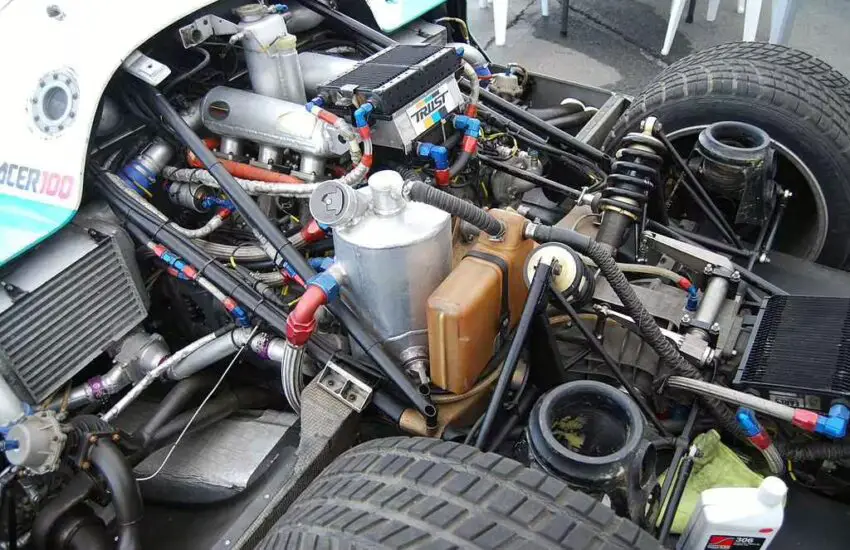
Flushing is the most sought-after method to remove all types of contamination from the radiator. You can also clean it by flushing the radiator with vinegar.
No matter how well you maintain your car, some of its parts, like the radiator, will become less efficient over time. A clogged radiator is a problem that often affects a vital part of the engine’s cooling system.
What are the signs that a radiator needs flushing?
If you experience any of these symptoms, it’s time to flush and clean the car’s radiator.
Overheating
Several factors can contribute to a vehicle overheating. A clogged radiator can be one of them.
Leak
If there are signs of coolant leakage under the car, the radiator needs to be flushed.
Noise
Just like overheating, engine noise can occur for many reasons. If you hear a knocking sound in the engine, it might be due to a dirty radiator.

How does flushing clean the radiator?
Over time, the coolant in the radiator accumulates contaminants and unwanted debris. It also causes corrosion, rust, and scaling in the radiator. A coolant flush can solve all these problems.
During this process, several liters of cleaner, water, and new antifreeze pass through the system and remove the old antifreeze and existing contaminants. Additionally, flushing lubricates the water pump and extends its lifespan.
In the first year, the car doesn’t need a flush if it has been driven less than 10,000 miles. If the radiator shows no signs of failure, you can flush it every 30,000 miles or as recommended by the manufacturer.
The process of flushing the radiator with vinegar
You can use various natural and chemical solutions to clean or flush the radiator. Before starting the process, remember to wear rubber gloves and safety glasses.
Let’s learn the step-by-step method for flushing the radiator with vinegar.
- First, place a shallow container on the ground under the radiator to catch the draining coolant. Since each country has specific regulations regarding the proper disposal of coolant, it’s best not to let the coolant seep into the ground.
- Now, move the radiator cap and loosen the radiator drain valve. The coolant will flow into the pan.
- When the radiator is empty, fill it halfway with water. Add one gallon of distilled white vinegar. Finally, fill the remaining part of the radiator with water.
- Close the radiator cap before starting the car. Let the car run for a while until it reaches ambient temperature.
- Leave the car overnight. Then, remove the radiator drain valve to drain all the contents of the radiator. During the draining process, flush the radiator using a hose.
- Once flushing is complete, put the correct mixture of coolant and water into the radiator to fill it.
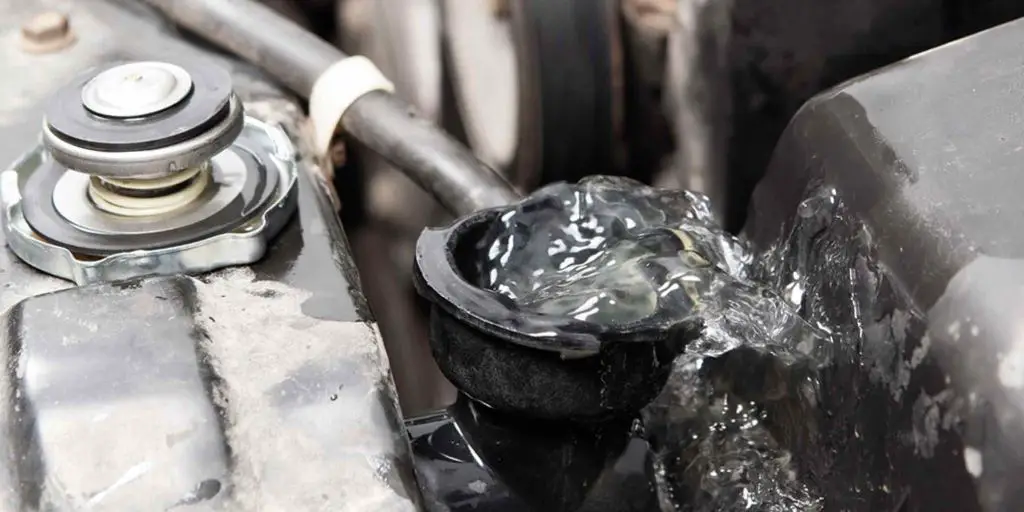
FAQ on flushing the radiator with vinegar
1. How often should I flush my radiator with vinegar?
It is recommended to perform a vinegar flush every 2 to 5 years, depending on the age and usage of your vehicle. Regular maintenance helps prevent radiator-related issues.
2. What type of vinegar should I use to flush the radiator?
Distilled white vinegar is the most commonly used type for radiator flushing due to its mild acidity and effective descaling properties.
3. Can I use apple cider vinegar or other types of vinegar for this process?
Although distilled white vinegar is the preferred choice, other types of vinegar, such as apple cider vinegar, can also be used if needed. However, they may not be as effective.
4. How do I safely flush my radiator with vinegar?
The process generally involves draining the coolant, adding a water and vinegar solution, running the engine to circulate it, and then flushing it with clean water. You can find detailed instructions in our guide.
5. Can I perform a vinegar flush myself, or should I consult a mechanic?
A vinegar flush is a DIY process that many car owners can handle. However, if you are unsure or uncomfortable with the procedure, it is advisable to consult a professional mechanic.
6. Are there any risks associated with flushing a radiator with vinegar?
Although vinegar is generally safe, incorrect flushing or vinegar residue can lead to problems in the cooling system. It is essential to follow the correct procedure and ensure a thorough flush.
7. Will flushing my radiator with vinegar void my vehicle’s warranty?
A vinegar flush should not void your warranty if performed correctly. However, it is crucial to check your warranty terms and consult your vehicle manufacturer if you have concerns.
8. Can vinegar eliminate all radiator-related problems, such as overheating?
While vinegar can help prevent overheating caused by mineral deposits, it does not solve all radiator problems. Regular maintenance and diagnosis of specific issues are still necessary.
Conclusion
A clogged car radiator can lead to problems like overheating. You can choose to unclog it using the flushing method. Instead of using harsh solutions, flushing the radiator with vinegar is a safer choice.