
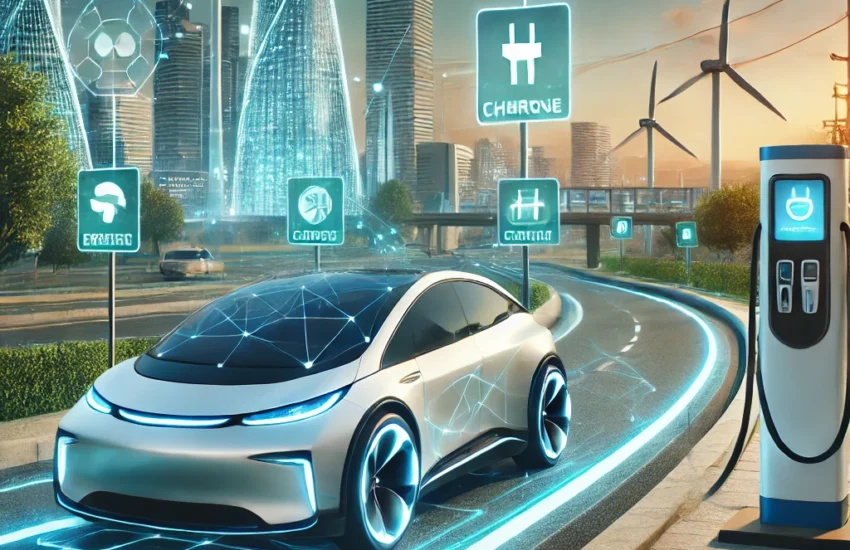
The automotive industry is undergoing a major transformation, and 2025 is shaping up to be a pivotal period. Between environmental regulations, technological innovations, and new consumer expectations, manufacturers and industry professionals must adapt quickly. Here are the main challenges the automotive sector will face in 2025.
1. The Electrification of the Vehicle Fleet
Governments worldwide are imposing increasingly strict standards to reduce CO2 emissions. Therefore, vehicle electrification is a priority for manufacturers. However, several obstacles remain:
- Establishing sufficient charging infrastructure
- Managing the resources needed for battery manufacturing (lithium, cobalt)
- The still high cost of electric vehicles for many consumers
2. The Rise of Autonomous Vehicles
Autonomous vehicles are progressing rapidly, but their widespread adoption raises safety and regulatory questions. Manufacturers must address several challenges:
- Improving artificial intelligence systems to ensure completely safe driving
- Gaining acceptance from users and insurers
- Establishing a clear legal framework for liability in case of an accident
3. Digitalization and Connectivity
Modern vehicles are integrating more and more connected technologies. Manufacturers must ensure:
- Optimal cybersecurity to prevent hacking
- Seamless integration with users’ digital ecosystems (smartphones, voice assistants…)
- The protection of drivers’ personal data
4. Sustainable and Circular Production
With environmental pressure, the automotive industry must adopt more sustainable practices:
- Use of recyclable materials
- Reduction of the carbon footprint of manufacturing
- Better management of end-of-life vehicles and batteries
5. New Mobility Habits
Consumers are adopting new ways of getting around:
- Development of car-sharing and mobility service subscriptions
- Increased demand for more compact and adaptable vehicles
- Preference for multimodal solutions combining cars, public transport, and bicycles
Conclusion
The year 2025 marks a decisive turning point for the automotive industry. Between electrification, digitalization, and the evolution of transportation modes, manufacturers must innovate while remaining accessible to consumers. Those who can adapt to these challenges will shape the future of mobility.