

When you get new brakes installed in your vehicle, the last thing you expect is to hear them squeak or squeal again when you get home. But what does it mean when this happens? Is it normal or did the repair shop do a poor job?
The truth is, it depends on various factors. Because even though you might need to take it back to the repair shop or find a new one, sometimes it’s a completely normal condition.

Is It Normal for New Brakes to Squeak?
While it’s completely normal for some brake pads to squeak, the last thing you want to do is ignore it and assume everything is fine. This is because, even though it might be a normal condition, it could also be trying to tell you that something fairly serious is happening.
So, if you hear your brake pads squeaking, consider all the following potential causes, and if something doesn’t seem right, take a look at it or take it to a mechanic to have the brakes inspected.
Top Reasons Why Brakes Squeak or Squeal
Before looking at the specific causes of these noises, let’s discuss how these sounds are produced.
Vibration
Vibration of brake components can cause a squeak or squealing noise due to a phenomenon called “brake judder.” This occurs when the brake rotor or drum becomes warped or wears unevenly, causing the brake pads or shoes to vibrate and create a high-pitched noise.
Vibration can also cause brake components to rub against each other, leading to a squeak.
Friction and Heat
Friction and heat can also contribute to brake squeaking or squealing. When the brake pads press against the rotor or drum, they create friction that generates heat. This heat can cause the brake components to expand and contract, which can produce a high-pitched noise.
Furthermore, if the brake pads are made of a harder material or are not properly lubricated, they can create more friction and heat, which can lead to squeaking or squealing. This is because the increased friction can cause the brake pads to vibrate and create a high-pitched noise.
Additionally, if the brake components are dirty or contaminated with debris, this can also create friction and heat, which can lead to brake noises. For example, if brake dust builds up on the rotor or drum, it can cause uneven wear and create a squeak when the brakes are applied.
Causes of Squeaking Brakes After New Brake Pads and Rotors
There are a few potential causes for new brakes squeaking or squealing when you use them. Below, we’ve highlighted the five most common ones and how you can tell if that’s what’s happening with your brakes.
#1 – Cheap Brake Pads
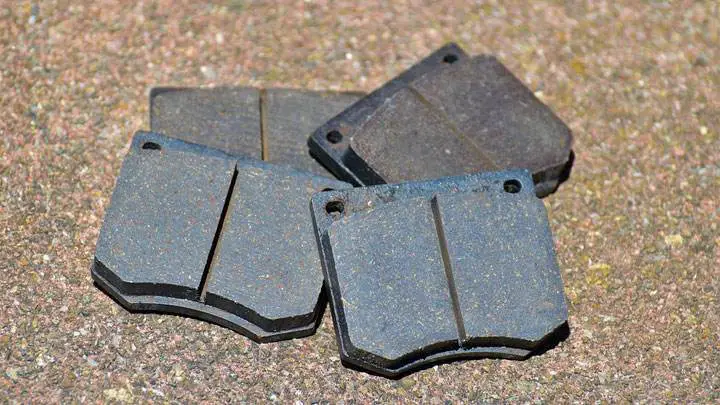
When we talk about “cheap” brake pads, we don’t mean to give you a bad impression. Semi-metallic brake pads do a great job of stopping your vehicle, but low-end semi-metallic brake pads simply make noise when you brake.
If you opted for cheaper pads, there’s a good chance that’s why you’re not getting the quiet results you want when braking.
If you want to avoid this in the future, we recommend opting for high-quality ceramic brake pads. Not only do they last longer and improve braking performance, but they are generally quieter and don’t produce as much brake dust.
#2 – Poorly Mated Pads
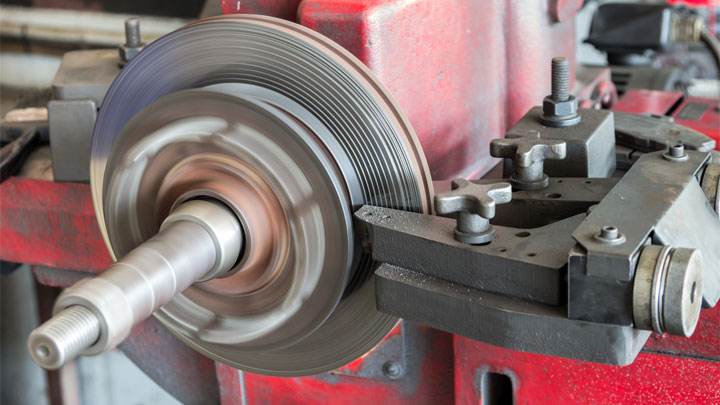
When you replace brake pads, you’re supposed to either replace the rotors or resurface them. This allows the pads to mate with the rotors for a flush fit, giving them maximum braking power.
Not only that, but you need to break in the pads for them to work properly.
If you neglect either of these steps, you’ll lose braking power and you might hear squeaks or squeals when you brake.
#3 – Moisture on the Rotor
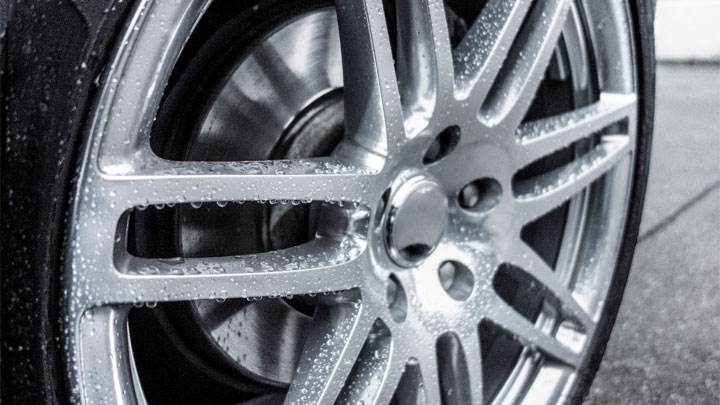
If you head to your car and hear a squeak in the morning when you brake, chances are it’s just the pads squeaking due to morning dew. This is a normal condition, and after braking a few times, it should go away.
The same can be said after washing your car. A bit of moisture on the rotor can cause temporary squeaking.
#4 – Dust or Debris Between the Pad and Rotor
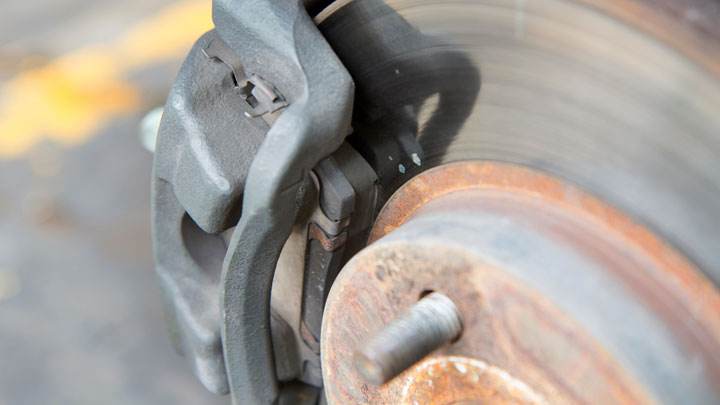
Whenever something gets between the pad and the rotor, it makes noise. A little dust isn’t a big deal, even if it’s a bit noisy, but anything else (like a small pebble) can lead to serious problems.
Not only do debris between the pads and rotor make a loud noise, but they will also wear down the pads and rotor quickly and unevenly. Worse yet, it can significantly impact braking performance, thus leading to an accident.
#5 – Rusty Rotor
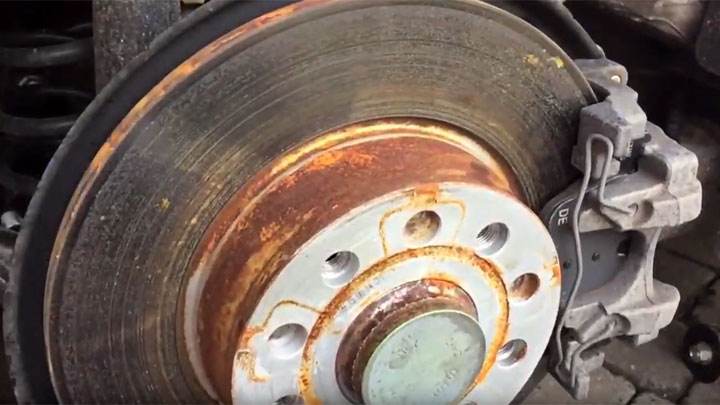
Even if you have new brake pads, it doesn’t necessarily mean you drive the vehicle a lot. If it sits for long periods, chances are you’ll just hear the brake pads wearing off the rust from the rotor when you drive.
After driving 5 to 10 miles on the road, you should have removed the rust from the rotors and the squeaking should go away.
Will the Noise Go Away on Its Own?
It depends on what’s going on. If the problem is from rusty rotors, moisture on the rotors, or even dust between the rotors and pads, the problem will go away on its own.
However, if the problem is from debris between the pad and rotor, chances are the problem will persist until someone removes the debris. Meanwhile, poorly mated pads or cheap brake pads mean the problem won’t go away until you change the pads and start over.
How Long Do Brakes Squeak After Being Replaced?
After replacing your brake pads, it’s quite common to hear squeaks or squealing noises. This is because new brake pads need a break-in period to fully seat against the rotors.
During this time, you might be wondering how long this noise is going to last, right? Let’s discuss it.
Typically, brake squeaking should go away after a few days, during which you drive about 100 miles for your brakes to properly bed in. However, the duration can change depending on the quality of your brake pads and rotors, as well as your driving style.
To reduce the risk of brake squeaks during the break-in period, you can follow these tips:
- Drive gently and avoid sudden stops
- Perform a proper break-in procedure after installing new brake pads
- Inspect the rotors for any signs of grooving or glazing
- Regularly check and maintain your brake system
Remember, if your brakes are still squeaking after a few days and it bothers you, it’s a good idea to have them checked by a professional. Keep in mind that brake noises after a replacement are usually not a cause for alarm, but your safety is always the priority.
When to Take Your Car Back to the Repair Shop
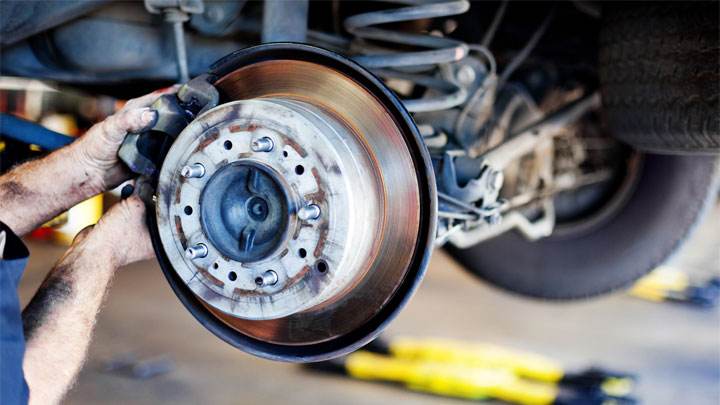
If you feel something or hear noises other than a squeak or squeal when braking, you should take the vehicle to a mechanic as soon as possible. Additionally, if the sound is abnormally loud, you should also take it back to the repair shop.
While it might be a bit tricky to determine if the sound is abnormally loud if you don’t know what the acceptable range is, try to use this as a rule of thumb.
With the windows up and the radio on at a low level, you shouldn’t be able to hear the squeaks or squeals. If you can, either something is going on or there’s poor workmanship. In either case, the repair shop should fix it for you.
Can I Spray Something on My Brakes to Stop Them from Squeaking?
If you’re experiencing squeaky brakes, using a brake cleaner spray can help address the issue. These sprays can remove dirt and contaminants from your brake components and leave no residue.
They typically dry or evaporate quickly and can be safely used on your brakes. It’s important to note, despite what you might have heard, that spraying WD40 on brakes is not a good idea.
Here are some simple steps to apply a brake cleaner spray to your brakes:
- Make sure your car is parked on a level surface and the engine is off.
- Loosen the lug nuts on your wheels, then lift your car with a jack and secure it on jack stands.
- Remove the wheels to expose the brake components.
- Use a designated brake cleaner spray and follow the manufacturer’s instructions. Typically, hold the can about 10 to 12 inches from the brake components and spray, ensuring to cover the entire surface of the brake pads, rotors, and calipers.
- Let the components dry completely before reinstalling your wheels.
- Reinstall the wheels, lower your car, and tighten the lug nuts.
Keep in mind that while a brake cleaner spray can help reduce or eliminate brake squeaking, it might not be a permanent solution. If the squeaking persists, it could be a sign of another issue, such as those listed earlier in this article.
Is It Safe to Drive If the Brakes Squeak or Squeal?
When you hear your brakes squeak or squeal, it’s natural to wonder if it’s safe to continue driving. In most cases, these noises are more of a nuisance than a sign of danger. However, it’s essential to understand when these noises might indicate a potential problem with your braking system.
Brakes can squeak for various reasons, such as:
- Morning moisture
- Surface rust on brake rotors
- New brake pad composition
- Normal wear
In these situations, the squeaks are usually not a concern. The noise should go away as the moisture evaporates or once the new brake pads have settled in. If the noise persists, it might be a good idea to have your brakes checked just to make sure everything is working properly.
But persistent or unusual brake noises could indicate that your brake hardware needs lubrication or that components are worn out. If the sound becomes a constant grinding or if your vehicle’s performance is affected (such as a wobble or pulling to one side when braking), it’s important to have your brakes inspected and serviced immediately to prevent further damage or accidents.
Other Brake Noises

While squeaks and squeals are two types of brake noises you might hear, they’re not the only ones. Below, we’ve highlighted three other brake noises you might hear and given you a brief overview of what each means and what you should do if you hear them.
#1 – Grinding
If you hear a grinding noise when you brake, it indicates a major problem. This is because when you hear grinding, it’s usually metal-on-metal contact. The calipers might be hitting the brakes or something else might be going on.
If you have new brakes and hear a grinding noise, take it straight back to the mechanic and have them fix it for you. You should also have the work inspected, as metal-on-metal grinding can quickly lead to additional damage, and they should fix that for you as well.
#2 – Thumping
Thumping noises typically occur when your rotors are warped. If you didn’t choose to replace the rotors, but the repair shop resurfaced them for you, it means they botched the job.