
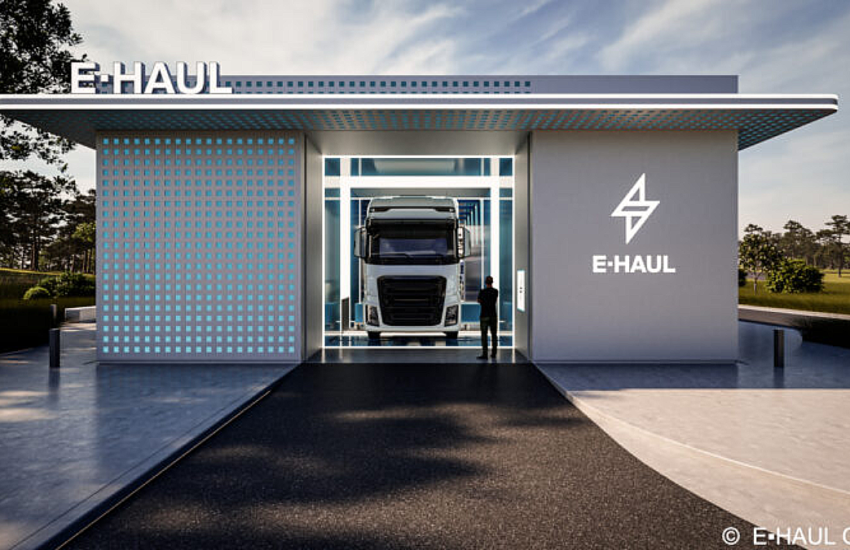
Electric Trucks: A New Era of Logistics
The transition to electric heavy goods vehicles is accelerating, but a critical challenge remains: how to efficiently power them over long distances. While fast-charging stations are a piece of the puzzle, an innovative alternative is emerging that could redefine the rules of freight transport. This approach moves beyond simply building more powerful plugs to rethinking energy delivery itself.
Rethinking the Charging Paradigm
Traditional fast charging for large trucks requires immense grid capacity and significant downtime. The new concept focuses on seamless energy integration. Imagine a system where energy transfer is woven into the existing logistics workflow, minimizing stops and maximizing operational efficiency. This isn’t about faster charging, but smarter energy management.

The Core Advantages of an Integrated System
This methodology offers several key benefits. It reduces peak demand on the electrical grid, which is crucial for widespread adoption. It also decreases the need for massive, dedicated charging infrastructure at depots. For fleet operators, the primary advantage is the potential for increased vehicle utilization, as trucks spend more time on the road and less time parked at a charging station.
Overcoming Infrastructure Hurdles
The current limitations of heavy-duty charging networks, often seen as costly and energy-intensive, are a major barrier. By exploring solutions that integrate energy supply directly into hubs or along key routes, the industry can overcome these hurdles. The goal is a more fluid and resilient system that supports the demanding cycles of commercial transport without compromising efficiency or range.
This pioneering shift represents more than just a new technology; it signifies a fundamental evolution in how we conceptualize the movement of goods. The future of electric trucking may not be dominated by the fastest charger, but by the smartest energy ecosystem.