
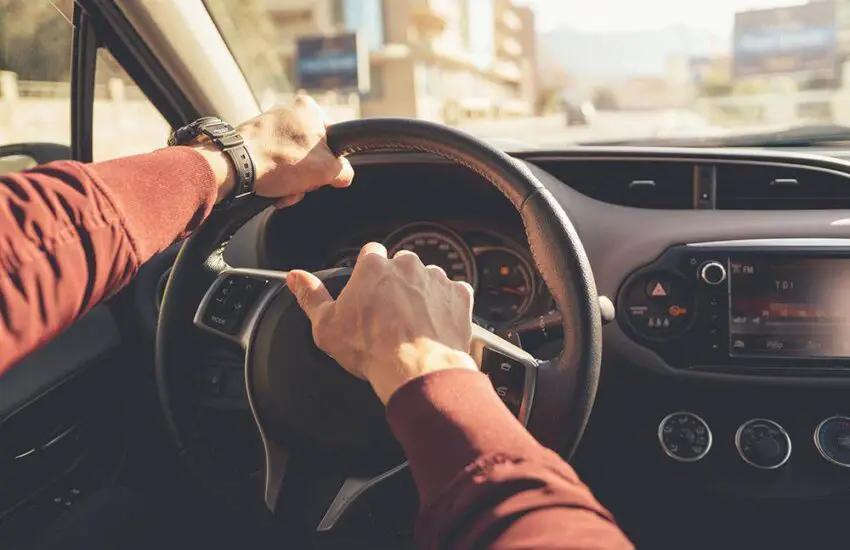
How do you feel when your car pulls to the right or left while driving? Frustrating, isn’t it? It could also pose a safety issue, as the car pulling to one side can cause the driver to lose control on a difficult road. It’s hard to focus on driving when you’re fighting with the steering wheel to keep the vehicle straight.
Are you facing the same problem? Keep reading to learn the causes and solutions.
Why is my car pulling to the right?
Applying constant pressure on the steering wheel is tedious. Moreover, it takes away the joy of driving. Various components, including the tires, are affected when the steering wheel pulls to the right while driving.
A wide range of issues can trigger problems. Let’s discuss the causes that make a car or truck pull to one side:
Uneven tire pressure
The first thing you should check when your car pulls to the right is the tire pressure. For example, the vehicle’s height will not be proportionate when there are underinflated tires on one side. Low tire pressure increases rolling resistance, leading to a misalignment problem.
Overinflation is just as serious, as it causes the car to pull to one side. This happens because an overinflated tire makes the car veer away.
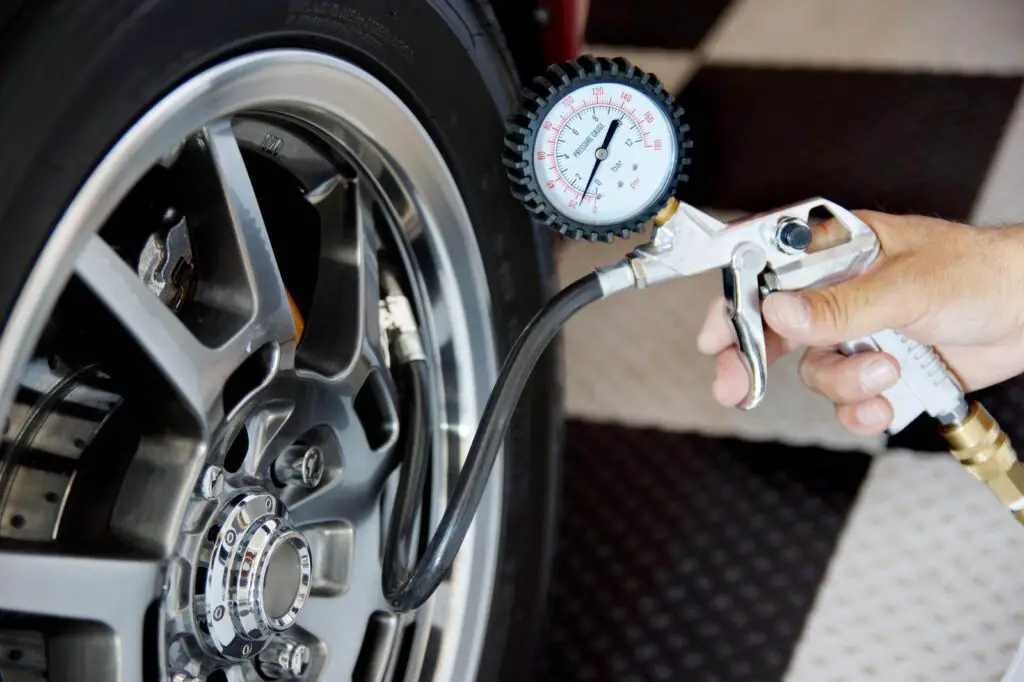
How to fix it? Measure the pressure with a tire gauge and inflate all tires to the correct PSI. The specifications for the maximum pressure are found on the driver’s side door jamb.
Misaligned Wheel
A car or truck pulls to the right when the wheel is not aligned. Uneven tire tread wear is another indication of this problem. Any delay in resolving this issue will lead to more serious problems.
How to fix it? Correcting the wheel or tire alignment means fixing the suspension’s position. It must be at a right angle so that the wheel is in the central position and the tires make contact with the road, according to the owner’s manual.
Brake System Complications
Complications in the braking system, including a stuck caliper, dry slide pins, and a collapsed brake hose, can create a pulling problem.
A stuck caliper is the most common issue. Calipers apply pressure to the brake pads by drawing energy from the hydraulic braking system. They are essential for stopping the vehicle after pressing the brake pedal. The car will pull to the side if one of them is not functioning properly.
How to fix it? An operational braking system is essential for driving safety. A professional mechanic repairs any issue with the system.
Torque Steer
This condition occurs when engine torque affects the steering. A front-wheel drive (FWD) car pulls to the right during acceleration in case of torque steer. Several components can be the cause of the problem: a loose steering component, a faulty lower control arm bushing, a damaged engine mount, a flexible tie rod, or excessive play in a ball joint.
How to fix it? Since a number of components could be involved for this problem to occur, it’s best to take the vehicle to a garage. You may need to install a limited-slip differential (LSD), track bars, a center support bearing, or repair several other components.
Faulty Steering Linkage
A loose, deteriorated, or weak tie rod end is another reason why a car pulls to the right when turning. Wild shaking of the wheel will occur regularly when the situation worsens. Newer vehicles use a rack and pinion system instead of a steering gearbox.
How to fix it? A steering linkage can be damaged for various reasons. Taking the car to a repair shop is the best way to diagnose the root cause and perform the repair.
Worn Wheel Bearing
Bearings are essential for the proper rotation of the wheel. When one of them wears out, the car will display several warning signs, and pulling to one side is one of them.
How to fix it? Repairing a wheel bearing is a complicated process. You should seek professional help to resolve this issue.
Worn Out Suspension Parts
The suspension is likely to give out at some point. Several parts, including ball joints, control arms, struts, shock absorbers, and bushings, can wear out over time. Deteriorated components will cause the vehicle to move to one side when braking. Suspension parts show signs of wear over a long period. Thus, you may not be aware of the problem unless a part is damaged or broken.