
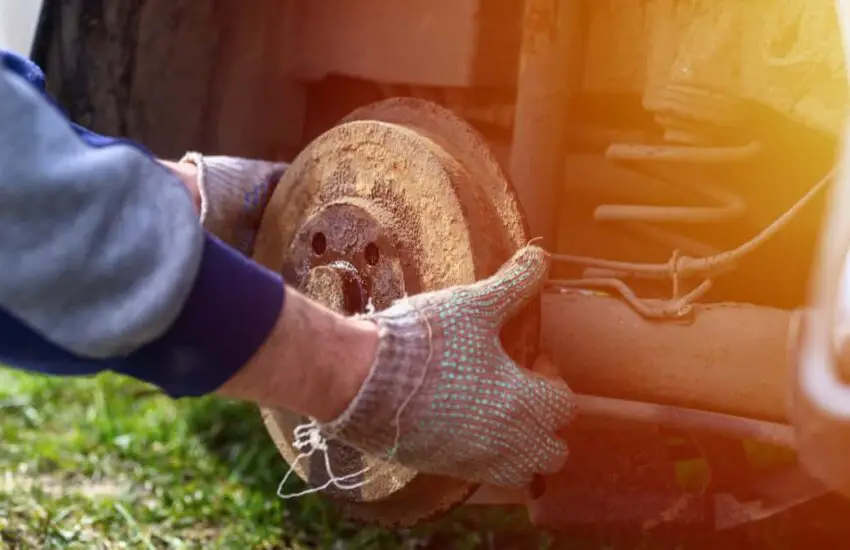
The 6 Symptoms of Worn Brake Drums. Nowadays, few cars are equipped with drum brakes, but it was once a popular option for automobiles. If you drive a car equipped with this system, it is important to know the symptoms of a faulty brake drum.
In this guide, we take a closer look at the symptoms that occur when brake drums malfunction. We also examine the function of brake drums, their location, and the average replacement cost. By the end of the article, you will know how to test brake drums and get answers to your main questions.
Symptoms of Bad Brake Drums
When brake drums start to fail, you will notice more noise during braking. The pedal will also become soft or spongy, and braking power will decrease. You might also notice a vibrating brake pedal, uneven braking power, and issues with the parking brake.
Let’s examine these six symptoms in more detail.
1. Noise During Braking

Often, the first sign of a problem is excessive noise when you brake. Once the friction material of the shoe is worn, the metal backing comes into contact with the drum, creating a scraping or squealing noise after applying the brakes.
This noise can also occur if any of the brake hardware components have come loose or are broken, such as the retaining springs. Debris, such as small stones and dirt, can also get into the brake drum and create a strange noise.
2. Soft or Spongy Brake Pedal
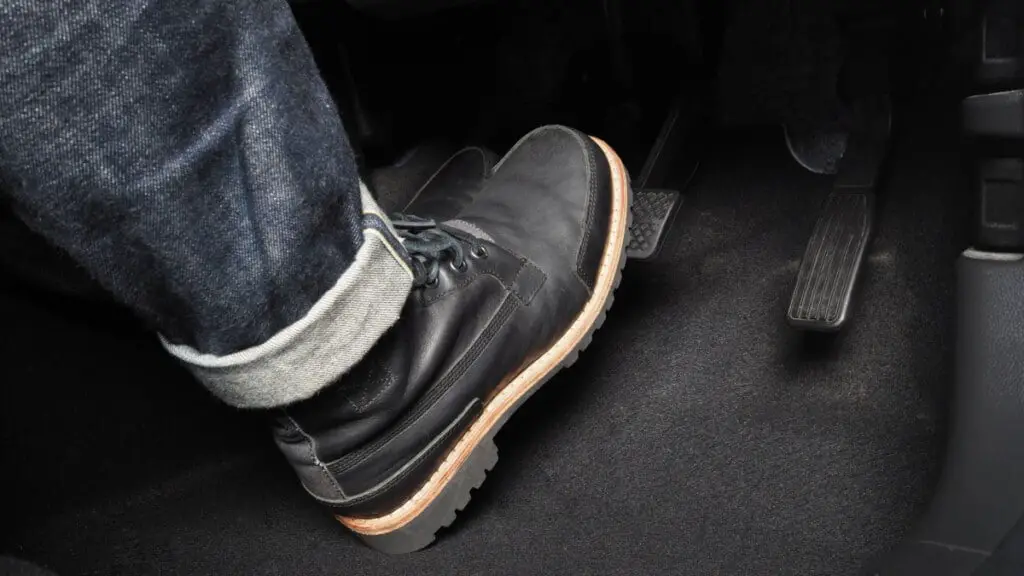
If the brake drum is worn or cracked, the pedal may feel spongy when you press it. However, this issue is rarer than some others, as the drum does not often crack.
Instead, a soft pedal is most often caused by air in the hydraulic system. You will need to bleed the air from the system for the brakes to regain normal pressure.
3. Decreased Braking Power

When the brake shoes and drums are worn, you may notice that it is harder to stop the vehicle. With an inadequate amount of friction material, it becomes more difficult to stop the wheels.
Over time, stopping distances will gradually worsen. That’s why it’s best to address the issue before rear-ending another vehicle.
4. Vibrating Brake Pedal
If the brake drums warp or become distorted, they will not establish proper contact with the shoes. Instead of clamping evenly against the drum, the shoes hit certain areas harder than others, leading to a vibration that can be felt through the pedal.
It is important to note that drum brakes do not suffer from the same pulsations as disc brakes. Brake pads and rotors typically have much more vibration. That’s why you want to machine or replace the drums at the first signs of pulsation.
5. Parking Brake Problems
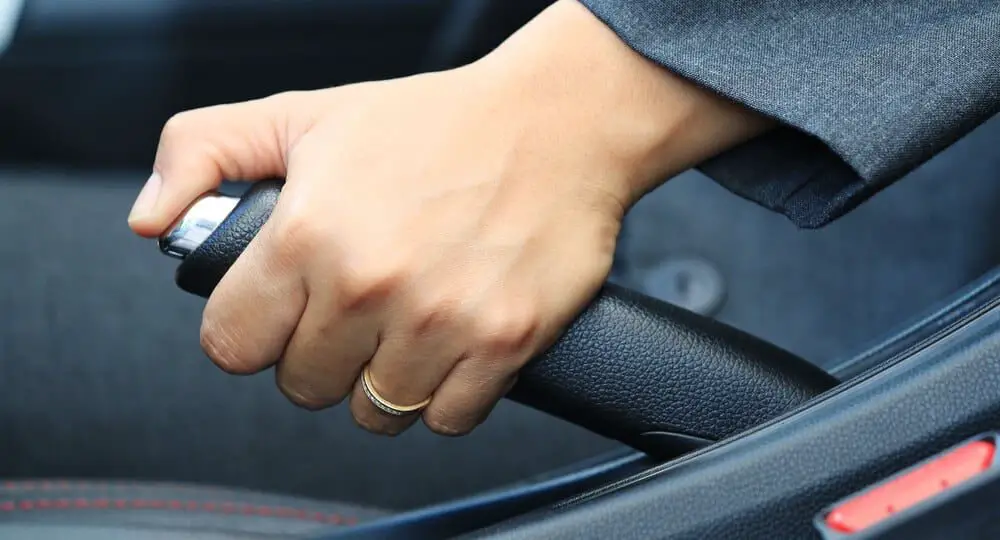
The parking brake is connected to the rear brakes. If you have failing or defective drum brakes at the rear, this emergency braking capability can also suffer.
AD
You may notice that the parking brake does not hold the vehicle steadily. However, the problem could stem from the parking brake itself, such as a cable that needs adjustment, so further diagnosis is necessary.
6. Uneven Braking Power
There are many reasons why a car pulls to one side, one possibility being faulty drum brakes. However, brakes usually wear evenly, which would cause performance issues on all points.
You might also want to consider a possible suspension issue combined with uneven tire tread. Regardless, you want the problem checked to be safer on the road.
What is the Function of a Brake Drum?
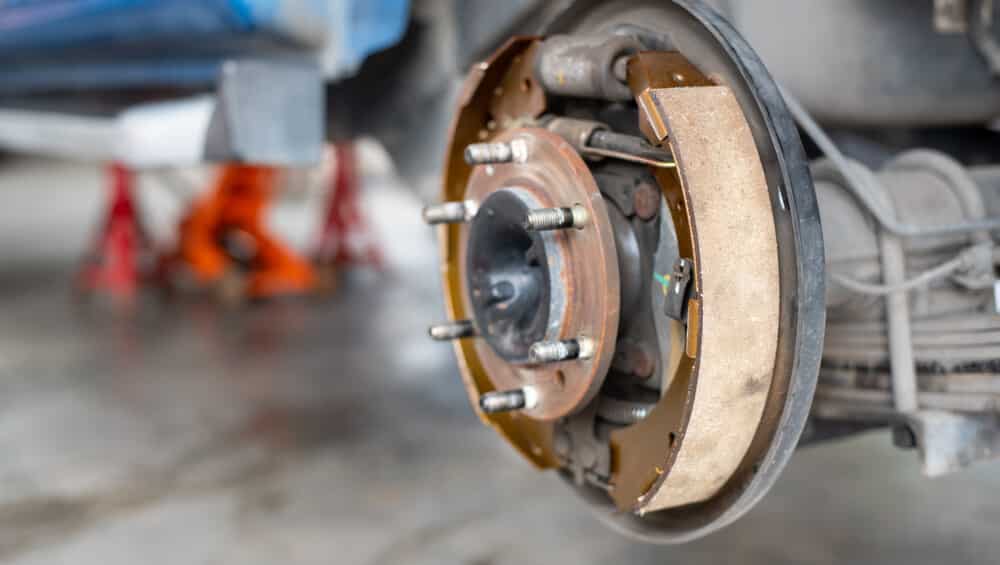
Brake drums rotate in alignment with the wheel hub, rim, and tire. Whenever the vehicle is moving, the drum also rotates along with the wheel to which it is connected.
The brake shoes are attached to a steel backing plate, bolted to the spindle or axle. When you press the brake pedal, hydraulic fluid is released into the wheel cylinder. The shoes expand, forcing the lining to make contact with the brake drum. This action slows down the drum and the wheel simultaneously.
Where are the Brake Drums Located?
In the past, drum brakes were found on all four wheels of the car, but this is normally no longer the case. Even though many vehicles now have four-wheel disc brakes, some still use drum brakes at the rear.
Brake drums are made of metal and are circular. They house the brake shoes but are not fixed like the shoes. Instead, the drum rotates in alignment with the wheels until the shoes are applied.
How to Test Brake Drums?
If you want to check the drums yourself, you only need a few minor tools. Here are some steps to consider.
- Lift the vehicle and secure it on jack stands.
- Remove the wheels and the brake drums. If you have driven recently, be cautious when touching the brakes as they may be hot.
- Inspect the wheel cylinders and linings. If you see a substance on the backing plate, you need to determine if it’s brake fluid leaking or grease. You can wash off brake fluid, but you want to know where it’s leaking from.
- Inspect the thickness of the brake shoe lining. If they are 1/8″ thick or less, it’s time to replace them.
- Inspect the drum for any signs of wear. If you see scoring marks, you need to machine or replace the drums.
You should have your service manual handy and refer to the manufacturer’s specifications for the braking system. You also want to follow any additional instructions provided by the manufacturer.
ADVERTISEMENT
If you are not familiar with the drum brake system, we strongly encourage you to have a mechanic handle the diagnosis and repairs. As professionals, we have seen far too many people attempt to work on their own brakes, only to end in disaster.
How Much Does It Cost to Replace Brake Drums?
On average, expect to spend between $225 and $375 to replace brake drums. You may spend between $150 and $250 for parts and an additional $75 to $200 for labor. If you have mechanical knowledge and a few simple tools, you could replace the drum brakes yourself and save some money.
You should always replace brake drums in pairs. So, if the right side needs replacing, it’s best to replace the left side as well. By replacing both, you ensure that performance remains consistent across the axle. Additionally, you might consider replacing the brake shoes and wheel cylinders at the same time, while everything is disassembled.
To get a better estimate, you need to consider a few factors, including:
- Make/model of your car: Luxury cars tend to have more expensive parts. Also, if the brake drums are difficult to work on, labor costs will be higher.
- Labor costs: Each region has its own average labor cost for mechanics. If you live in an area where it’s cheaper to hire a mechanic, you might not spend as much as you thought.
- Aftermarket or OEM parts: You can choose aftermarket brakes if you don’t mind not having the same quality as factory ones. This choice saves you some money but often doesn’t come with the same warranty as OEM parts.
The upside is that you shouldn’t have to change the drums very often. With many drums lasting 200,000 miles under optimal driving conditions, it’s something you might never face.
When purchasing your replacement kit, make sure it includes all the hardware you’ll need. Otherwise, you need to buy these items separately.
Are Brake Drums Difficult to Replace?
It’s not as complicated as one might think. Although they are different from disc brakes, they tend to be just as easy to work on. If you have mechanical knowledge and the necessary tools to do the job, it might only take you an hour or less. Otherwise, it’s best to leave the job to professionals.
How Many Years Do Drum Brakes Last?
The drums themselves should easily last between 150,000 and 200,000 miles if you take care of your vehicle. The brake shoes, on the other hand, need to be replaced more often. You may need to install new brake shoes every 30,000 to 40,000 miles, depending on the conditions you drive in.
Are Drums More Expensive Than Rotors?
Disc brakes are more expensive than drum brakes, but not substantially. If you need to replace a set of rotors or drums, you will spend less on the latter in most cases. Additionally, drums do not need to be replaced as often as rotors in a disc brake system.
How Many Drum Brakes Does a Car Have?
All cars have four brakes, one set for each wheel. If the car is equipped with four-wheel disc brakes, there are no drums. Older cars were often made with drum brakes on all four wheels. Today, if drum brakes are installed on a car, they are typically only used on the two rear wheels.
Do Worn Brake Drums Make Noise?
They can make scraping or squealing noises if they are warped and the shoes do not make proper contact. You might also hear strange noises when the shoes need replacing. At the first signs of drum brake problems, it’s best to have them inspected to ensure your safety on the road.
What is the Biggest Problem with Drum Brakes?
While drum brakes were considered the ideal solution for older vehicles, their design has several flaws. First, they overheat more quickly than disc brakes, leading to more frequent fade. They also take longer to dry once moisture becomes an issue. Finally, they are heavier than disc brakes, thus adding more weight to the car.
Even though drum brakes are becoming less popular, many cars are still equipped with them. If you own one of these cars, you want to know how to recognize the symptoms of their malfunction and learn to replace them yourself to save money. The good news is that if you are familiar with disc brakes, switching to drum brakes shouldn’t be too complicated for you.
You can easily check the drums and shoes regularly for any signs of damage. Because the drums and shoes are so important for stopping the vehicle in time, you should never delay replacing them once you find they are worn.