

Symptoms of Power Steering Failure Every innovation in the automotive science field makes driving safe and easy for us. Power steering is one such innovation that has revolutionized driving. It is a feature in all modern cars that allows us to steer the vehicle without applying much force. Without it, it would take Herculean strength to turn the steering wheel from one direction to the other, as in older cars.
In the event of power steering failure, driving can become a very difficult task. You will still be able to turn the wheels but with immense force. And if the power steering fails suddenly while the car is in motion, the result can be a serious accident since you won’t be able to steer the wheels as they should be.
When we buy a new car, we (humanly) cannot see how prepared we should be in case a car component gives up. With this blog article here, we are preparing you to face an imminent power steering failure by telling you the symptoms.
5 Obvious Symptoms of a Power Steering Failure
Here are 5 of the most obvious symptoms that tell you your car’s power steering is about to fail. Recognizing them in time can help you drive safely and avoid accidents.
1. Squealing and Whining Noises
Any kind of squealing in any part of the car is never a good sign. When you hear a whine or squeal when turning the steering wheel, or when moving the car at a slow pace, it means an imminent power steering failure. It’s probably because the power steering pump is about to fail.
Also, if you hear chuckling sounds under the hood when you start the ignition, your power steering pump is in bad condition. If there is a brake squealing noise, that’s something else. In any case, have it checked immediately.
2. Vibration in the Steering Wheel

This symptom is likely to manifest when the car is idling. And it can often come as a surprise, like an unexpected thunderclap. This vibration can often be turbulent and indicate that the drive belt is loose or damaged. In both cases, replacement becomes necessary. The drive belt needs the correct tension for the power steering pump to continue functioning properly. If not, the pump can fail.
You should, as usual, check the belt tension and cracks once a month.
3. Difficulty Turning the Wheels
This is one of the most obvious symptoms of a power steering failure, but you need to keep something in mind here. It could be due to an insufficient level of power steering fluid, which is most likely the case. It could also be due to insufficient tire pressure or an alignment issue. So, before jumping to a hasty conclusion, have it checked by a qualified mechanic.
4. Insufficient Power Steering Fluid Level
It’s a good thing that you follow the best maintenance tips and regularly check all car fluids. If the power steering fluid level is below the required level, it could mean a leak in the power steering system. A low level can cause noise and pump malfunction over time.
Check for leaks on the ground where your car is parked. Red puddles or a particular smell can indicate that there has been an oil leak and therefore the pump needs to be repaired.
5. Appearance of the Power Steering Fluid
New power steering fluid is red and has a particular smell. Old, oxidized fluid will appear dark gray. If air or water has infiltrated the fluid, it will appear foamy or bubbly. It can also happen that you find chrome particles in the fluid. When you notice this, it’s probably the power steering pump deteriorating.
So, make sure the fluid is red and has a distinctive smell.
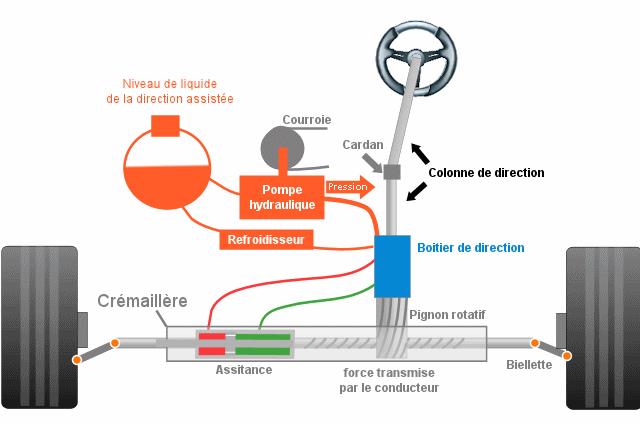
What to Do If the Power Steering Fails While Driving ?
Experiencing a power steering failure while driving can be alarming, as it requires more effort to steer the vehicle. However, it is important to stay calm and take appropriate measures to ensure your safety. Here are some steps you can take when encountering this issue:
Hold the steering wheel firmly: With power steering assistance unavailable, you will need to apply more force to steer the vehicle. Use both hands and hold the steering wheel firmly.
Step 1 : Gradually Slow Down
Gradually reduce your speed and avoid sudden braking or acceleration, as the lack of power steering can affect your ability to maneuver quickly. Apply light pressure to the brakes and decelerate gradually to a safe speed.
Step 2: Turn On Your Hazard Lights

Inform other drivers on the road that there is a problem with your vehicle by turning on your hazard lights. This will increase your visibility and prompt others to be cautious.
Step 3 : Safely Pull Over
Look for a safe place to stop, such as the roadside shoulder or a nearby parking lot. Use your turn signals to indicate your intention to stop and proceed with caution.
Step 4: Turn Off the Engine
Once safely stopped, turn off the engine. This will prevent further damage to the power steering system and allow you to assess the situation calmly.
Step 5: Inspect the Power Steering System
After stopping, visually inspect the power steering components, such as the drive belt, fluid level, and hoses, if you have the necessary knowledge and experience. If you notice obvious problems, like a broken belt or a fluid leak, it can help you understand the cause of the failure. However, keep in mind that it may not be advisable to attempt to fix the issue yourself unless you possess the required expertise.
After performing all these steps, you should seek professional advice to diagnose and repair the power steering system in a timely manner.
You must recognize the symptoms of a power steering failure before it’s too late. Remember; a stitch in time saves nine. So, beware of these 5 symptoms.