
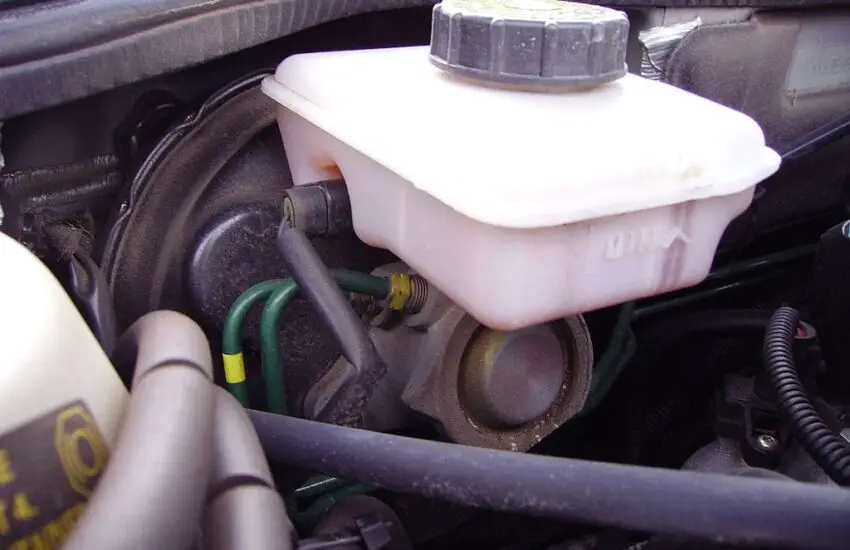
A vehicle’s braking system would not be complete without the master cylinder. This essential component converts the mechanical pressure applied to the brake pedal into hydraulic pressure, thereby engaging the calipers on each wheel. Over time, the master cylinder can wear out and lose efficiency, which can compromise road safety. Therefore, it is crucial to know how to recognize the signs of a fault and test this component before drawing conclusions about its condition.
1. Signs of a Faulty Brake Master Cylinder
Before considering a replacement, it is important to check for certain symptoms that might indicate a problem with the master cylinder:
1.1 Brake Warning Light
- Insufficient Pressure Indicator:
The illumination of the warning light on the dashboard is often the first sign. This indicator usually signals reduced brake fluid pressure.
1.2 Brake Fluid Leak
- Location of the Master Cylinder:
Located under the fluid reservoir, a leak under the vehicle, especially around the master cylinder, indicates a serious fault that can affect the entire braking system.
1.3 Spongy or Sinking Brake Pedal
- Abnormal Response:
If the brake pedal feels soft or sinks slowly when released, it may be due to worn rubber seals in the master cylinder, compromising the system’s responsiveness.
1.4 Contaminated Brake Fluid
- Contamination by Particles:
The presence of dirt, debris, or other contaminants in the brake fluid can prevent the master cylinder from maintaining stable hydraulic pressure, making it difficult to stop the vehicle.
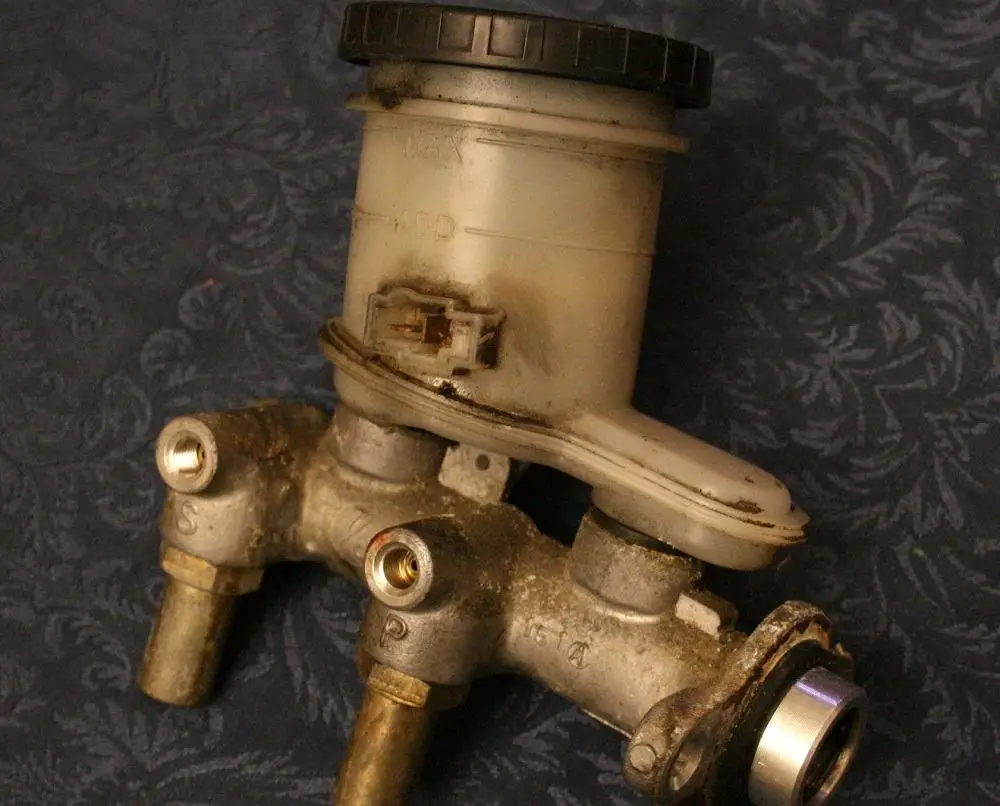
2. How to Test the Brake Master Cylinder?
To assess the condition of your master cylinder, it is essential to perform a few simple tests. Here are the steps to follow:
2.1 Check the Brake Fluid Level
- Open the Reservoir:
Depending on your vehicle model, the reservoir may have a plastic cap or a metal fastening system. Unscrew or unclip the cover carefully. - Visual Inspection:
Examine the brake fluid level inside the reservoir. A “Full” line or a mark indicating the minimum and maximum level must be respected. If the level is below the mark, top it up with the fluid recommended by the manufacturer.
2.2 Inspect the Cap and Vents
- Diaphragm Function:
The master cylinder cover is equipped with vents that allow air to enter to balance pressure when the pedal is applied. Check that the diaphragm cups move correctly and show no signs of wear or damage.
2.3 Look for Leaks or Moisture Traces
- Inspection Under the Vehicle:
Using a flashlight, inspect the area under the master cylinder for the presence of fluid, sludge, or moisture. Any trace of a leak is an indicator of cylinder failure.
2.4 Test the Brake Pedal Responsiveness
- Practical Check:
Press the brake pedal and observe its response. A firm pedal that quickly returns to its position is a sign of good function. Conversely, a spongy pedal or one that takes time to return indicates a potential problem.
2.5 Perform a Full Bench Test
- Bleeding and Control:
For an in-depth diagnosis, it is advisable to bleed the master cylinder on a bench. This operation helps detect any internal leaks and ensures that the fluid flows correctly in the brake lines. Check that the fluid does not drop below the low mark during the operation.
3. What to Do in Case of Failure?
3.1 Replacing the Master Cylinder
- Immediate Action:
Any leak or failure of the master cylinder poses a major risk to driving safety. If problems are identified, it is imperative to replace the cylinder without delay. - Special Procedure:
For vehicles equipped with advanced systems (anti-lock brakes, electronic stability control, electric parking brakes), it is recommended to consult a professional mechanic. These systems require specific procedures for replacing and bleeding the master cylinder.
3.2 Regular Maintenance
- Prevention:
To avoid any failure, ensure regular checks of the brake fluid level and quality, and perform periodic inspections of the braking system.
Conclusion
The brake master cylinder plays a crucial role in your vehicle’s safety. Testing and diagnosing this component helps prevent major issues and ensures reliable braking. By following the steps outlined in this guide, you can quickly detect signs of a faulty master cylinder—whether it’s a warning light, a leak, a spongy pedal, or contaminated fluid.
Remember that road safety depends on a braking system in perfect condition, so act at the first signs of failure and, if in doubt, consult a professional.