
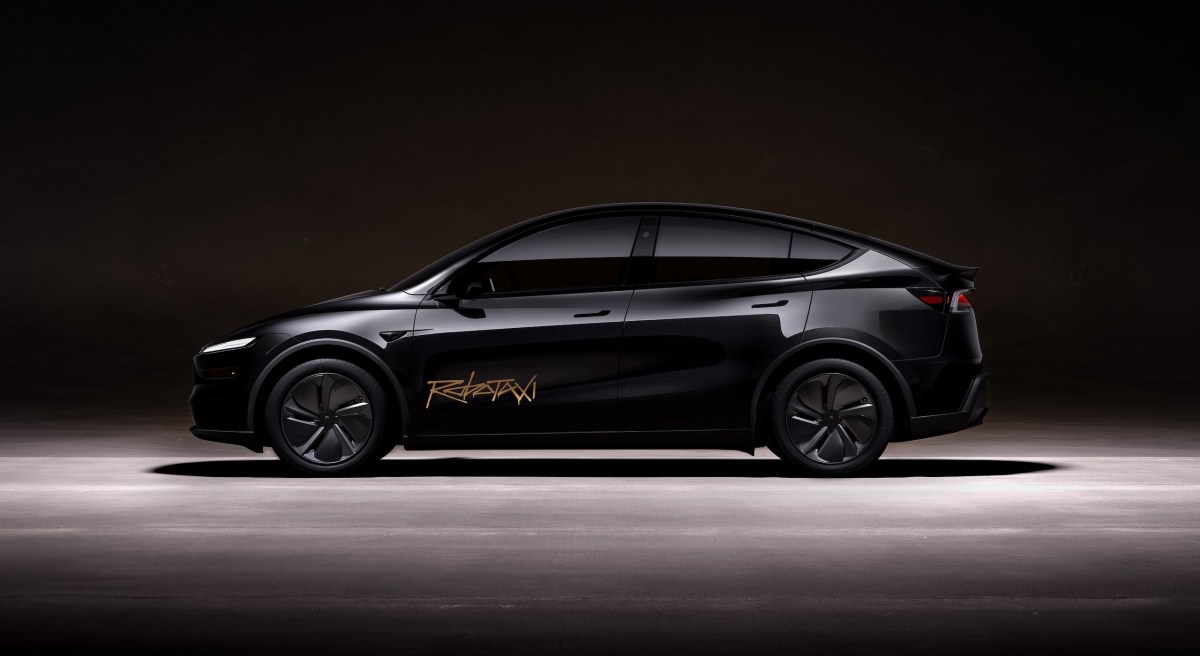
Ongoing Safety Concerns for Tesla’s Autonomous Fleet
Tesla’s autonomous vehicle initiative continues to encounter significant setbacks, with multiple accidents reported despite human supervisors being present in the vehicles. Recent disclosures to the National Highway Traffic Safety Administration (NHTSA) reveal three additional incidents, bringing the total to seven collisions since the commercial debut of these robotaxis in Austin last July. These events raise critical questions about the current capabilities and safety protocols of self-driving technology.
Human Oversight Fails to Prevent Collisions
The consistent presence of human monitors has not been sufficient to avert these mishaps, indicating potential flaws in the interaction between automated systems and human intervention. In several cases, supervisors were unable to react in time to prevent accidents, suggesting that the technology may present scenarios too complex for timely human response. This challenges the assumption that human backup can reliably mitigate the risks associated with autonomous driving.
Implications for Autonomous Vehicle Development
These repeated incidents could influence regulatory frameworks and public trust in self-driving vehicles. As Tesla expands its robotaxi services, each accident contributes to a growing database of real-world performance, which may prompt stricter safety evaluations from authorities. The pattern of collisions underscores the need for enhanced sensor technology, improved AI decision-making algorithms, and more rigorous testing in diverse environments before wider deployment can be considered safe.
Industry analysts note that while setbacks are expected in pioneering technology, the frequency of these events warrants careful scrutiny. The advancement of autonomous transportation depends on transparent reporting and continuous improvement to ensure passenger and public safety remain the top priority.