
Surprising Shift in Tesla’s Autonomous Strategy
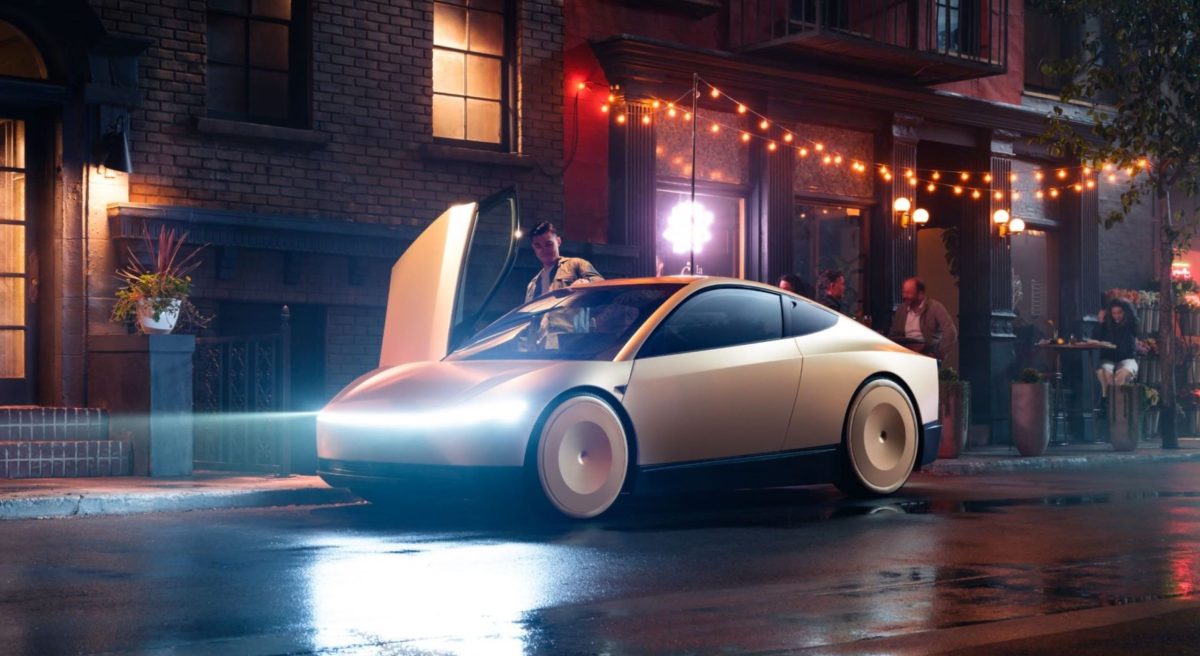
Tesla’s highly anticipated Cybercab might retain traditional driving controls despite previous announcements positioning it as a fully autonomous vehicle. Board Chair Robyn Denholm recently indicated that steering wheels and pedals could be available as optional features, creating intrigue about the company’s direction for its robotaxi platform.
Leadership Divergence on Vehicle Design
The revelation highlights apparent differences between Tesla’s executive leadership regarding implementation of autonomous technology. While Elon Musk previously emphasized the Cybercab would operate without conventional controls, Denholm’s comments suggest a more pragmatic approach that accommodates transitional phases and regulatory requirements.
Strategic Flexibility for Market Adoption
Offering driving controls as optional equipment could serve multiple strategic purposes. This approach might help Tesla navigate varying international regulations governing autonomous vehicles while allowing for human intervention during the technology’s refinement period. The flexibility could also address potential customer apprehension about fully driverless transportation.
Implications for Tesla’s Autonomous Timeline
This development raises questions about Tesla’s confidence in achieving complete autonomous capability by the Cybercab’s launch. The optional controls suggest the company might be preparing for scenarios where full self-driving technology requires additional development time or where markets demand fallback mechanisms for safety compliance.
Industry Impact and Competitive Positioning
Tesla’s potential compromise on vehicle design reflects broader industry challenges in deploying autonomous vehicles. While maintaining its leadership position in electric vehicles, this flexible approach could help Tesla avoid pitfalls experienced by competitors who committed to fully driverless designs before regulatory and technological frameworks were fully established.