
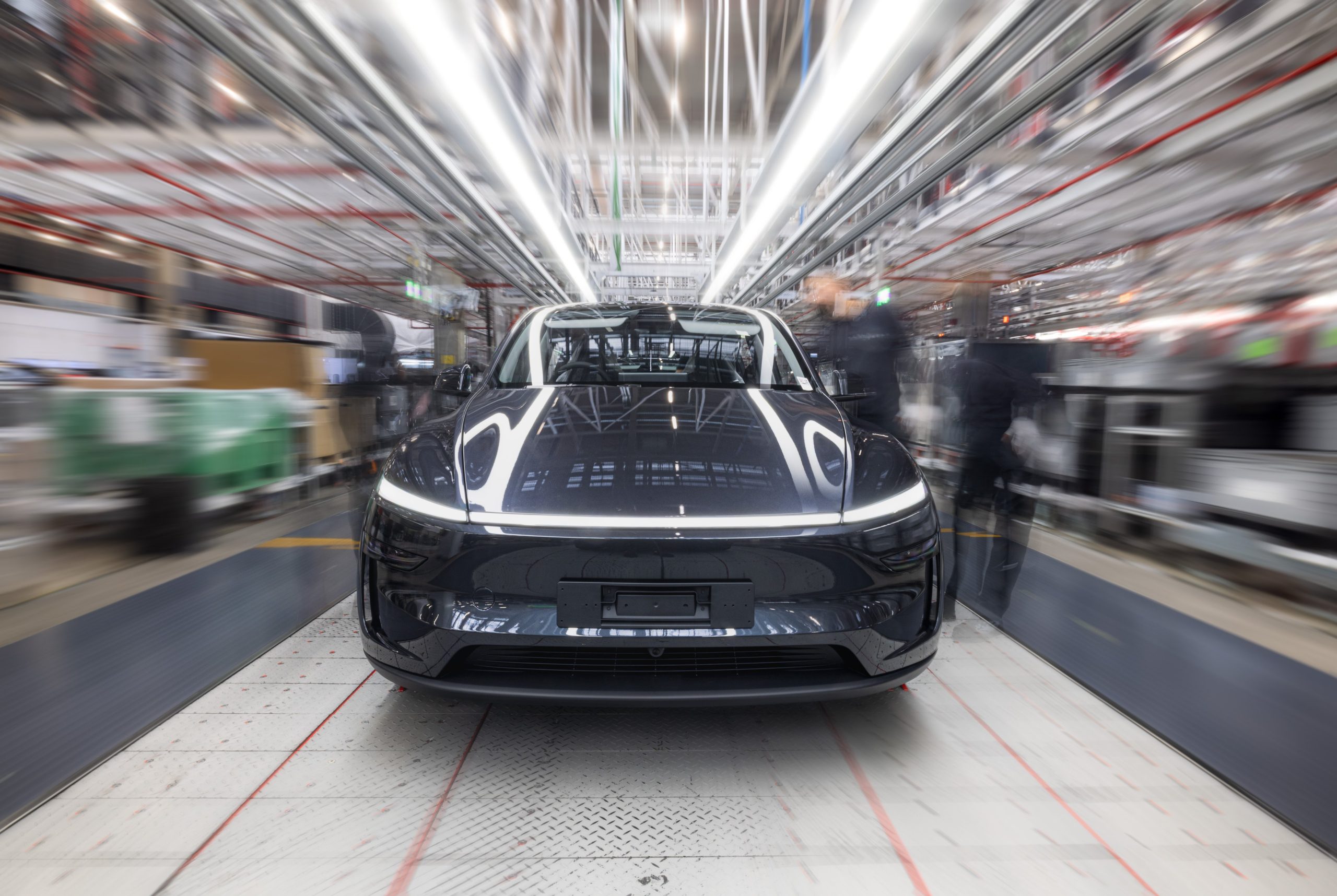
Conflicting Reports on Giga Berlin’s Performance
A significant discrepancy has emerged regarding the production output of Tesla’s Giga Berlin-Brandenburg factory for the year 2025. External industry data suggests the plant operated well below its stated capacity, a claim the electric vehicle manufacturer strongly refutes, creating a stark divide in the narrative around one of Europe’s most critical EV hubs.
The Core of the Dispute
Analyses from German automotive sector observers indicate that Tesla’s annual production at the Grünheide site fell substantially short of targets. The figures imply the factory may have been running at less than half of its potential capacity of 500,000 vehicles per year. This alleged underperformance is attributed by some analysts to fluctuating demand for electric vehicles in Europe, supply chain adjustments, and planned factory upgrades aimed at future models like the anticipated compact car.
Tesla’s Firm Rebuttal
Tesla has publicly and firmly challenged these external assessments. The company defends its operational metrics, asserting that its own reported production and delivery numbers are accurate. Tesla emphasizes that Giga Berlin remains a cornerstone of its European strategy, highlighting ongoing investments and the factory’s role in supplying key markets. The automaker points to continuous improvements and expansion projects at the site as evidence of its long-term commitment and operational health.
Broader Industry Implications
This debate transcends a simple numbers game. Giga Berlin is a flagship project for both Tesla and Germany’s transition to electromobility. Conflicting reports on its productivity fuel discussions about the overall pace of EV adoption in Europe, the competitiveness of local manufacturing against imports, and the challenges of scaling complex production facilities. The outcome of this perception battle could influence investor confidence and policy perspectives on the region’s automotive future.
The situation underscores the difficulty in gauging factory performance from the outside. While external estimates rely on components shipments, utility data, and logistics patterns, Tesla maintains sole access to its definitive production figures. This leaves the public and industry analysts to weigh competing claims about the true tempo of production at the German gigafactory.