
An Ambitious Vision Meets Manufacturing Reality
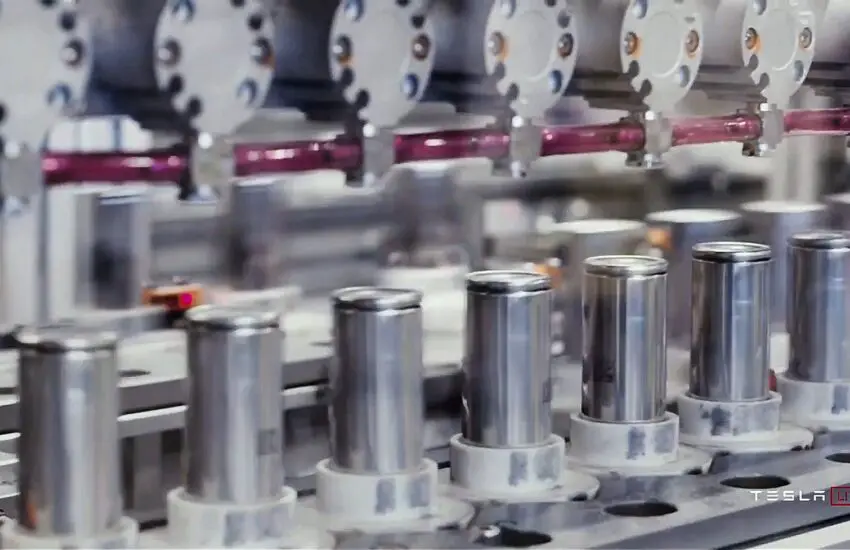
Heralded as a game-changer during Tesla’s 2020 Battery Day, the 4680 battery cell was designed to be a cornerstone of affordable electric vehicles. This larger, tabless format promised significant leaps in energy density, vehicle range, and cost reduction. However, recent reports indicate an unexpected slowdown in the production ramp of these revolutionary cells, highlighting the formidable challenges of scaling cutting-edge technology.
The Core Challenges Behind the Slowdown
Manufacturing the 4680 cell involves pioneering dry electrode coating and structural battery pack integration. Industry analysts suggest the slowdown may stem from complexities in achieving consistent yield and quality at high speed with these new processes. Perfecting the dry coating technique, which removes toxic solvents and is crucial for cost savings, has proven particularly difficult to scale. Furthermore, integrating the cell’s unique design into a structural component of the vehicle adds another layer of manufacturing complexity that requires precise execution.
Implications for Tesla’s Strategy
This production deceleration has a cascading effect. It potentially impacts the timeline for broader availability of more affordable Tesla models, such as the anticipated compact car. In the interim, Tesla continues to rely heavily on established suppliers like Panasonic, CATL, and LG Energy Solution for its cylindrical 2170 cells to meet current demand. The situation underscores the immense difficulty of vertically integrating a supply chain for a core component that is still in technological infancy.
The Road Ahead for Battery Innovation
Despite the current hurdles, the pursuit of the 4680’s goals remains critical for the long-term EV market. The potential benefits—longer range, lower costs, and faster charging—are too substantial to abandon. This slowdown is a reminder that the path to battery breakthroughs is rarely linear. Tesla’s ability to troubleshoot these manufacturing bottlenecks will be a key test of its engineering prowess and will significantly influence the pace at which next-generation EV technology reaches the mass market.