
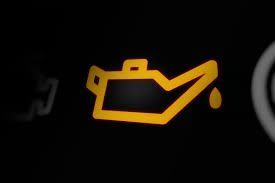
Engine oil is a vital element for the proper functioning of your vehicle. It lubricates the moving parts of the engine, reduces friction and wear, and helps maintain an optimal temperature. A low engine oil level can cause serious damage to the engine, so it is important to regularly check the oil level and top it up if necessary.
Signs of low engine oil:
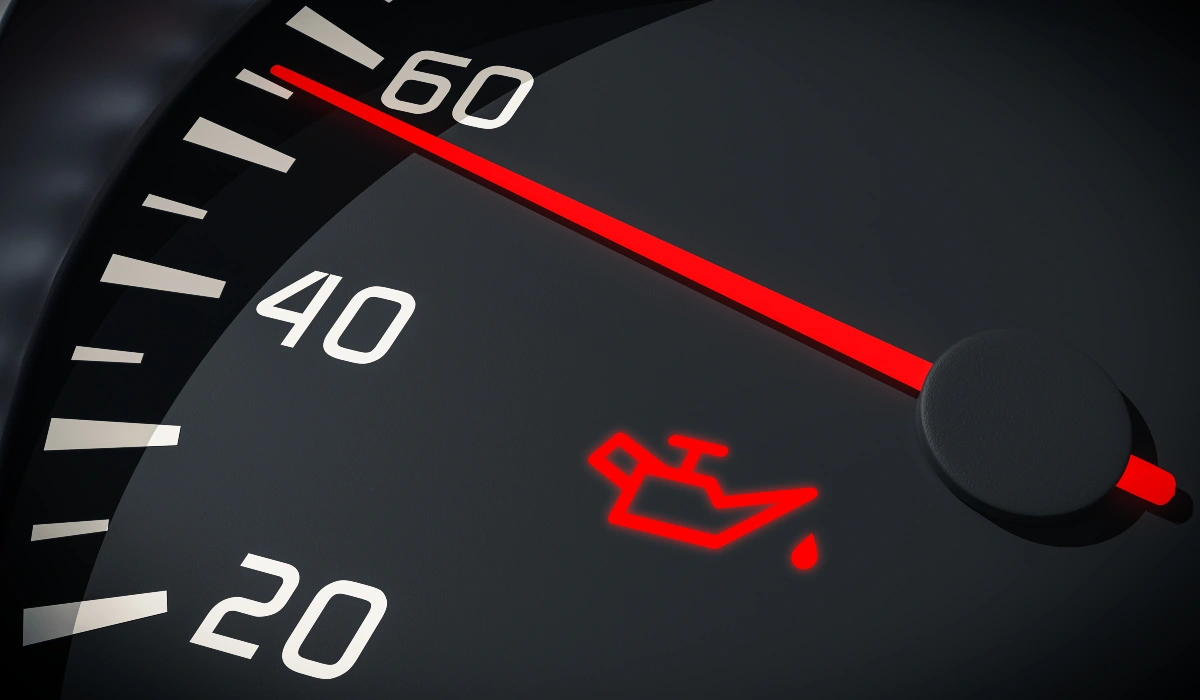
- Engine oil warning light on: The engine oil light is a red or orange warning light on the dashboard. It illuminates if the oil level is low or if the oil pressure is insufficient.
- Engine noise: A lack of oil can cause a knocking or rattling noise coming from the engine. This noise is caused by metal parts rubbing against each other without adequate lubrication.
- Loss of power: If the engine is not properly lubricated, it may lose power and performance.
- Blue smoke from the exhaust: Blue smoke from the exhaust can be a sign that engine oil is burning in the combustion chamber.
- Engine overheating: A lack of oil can lead to engine overheating.
How to remedy low engine oil:
- Check the oil level: The first thing to do is check the oil level using the dipstick. The oil level should be between the “MIN” and “MAX” marks on the dipstick.
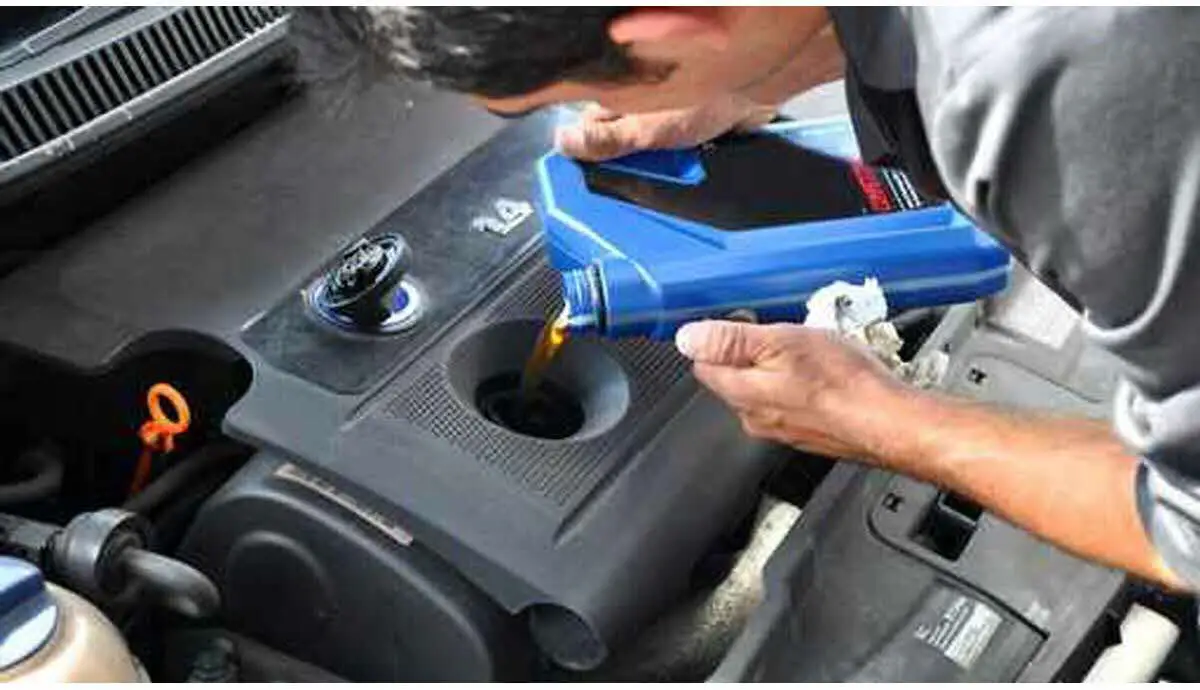
- Top up the oil: If the oil level is low, top it up with oil of the same viscosity as that recommended by the vehicle manufacturer.
- Look for the cause of the problem: If the oil level drops regularly, it is important to find the cause of the problem. It could be an oil leak, excessive engine wear, or a cylinder head gasket issue.
Tips to prevent low engine oil:
- Check the oil level regularly: It is advisable to check the oil level at least once a month.
- Change the oil regularly: Engine oil should be changed regularly according to the vehicle manufacturer’s recommendations.
- Use a quality oil: Use a quality oil that meets the vehicle manufacturer’s specifications.
- Monitor signs of engine wear: If you notice signs of engine wear, such as unusual noises or loss of power, have your vehicle inspected by a mechanic.
Common causes of low engine oil
There are several possible causes for low engine oil:
Oil leaks:
- Faulty cylinder head gasket: This is one of the most common causes of oil leaks. The cylinder head gasket is a gasket located between the cylinder head and the engine block. If it is faulty, it can allow oil to pass between the two parts.
- Faulty oil seals: Oil seals are seals located on the transmission shafts and crankshafts. If they are faulty, they can allow oil to leak outside the engine.
- Cracked oil pan: The oil pan is the reservoir that holds the engine oil. If it is cracked, there can be an oil leak.
- Loose oil filter: If the oil filter is not properly tightened, there can be an oil leak.
Engine wear:
- Worn piston rings: Piston rings are metal rings located on the pistons. They help keep oil in the combustion chamber and prevent exhaust gases from entering the crankcase. If they are worn, they can allow oil to pass into the combustion chamber, where it will be burned.
- Worn cylinders: Cylinders are the bores in which the pistons move. If they are worn, they can allow oil to pass into the combustion chamber.
- Worn valve guides: Valve guides are parts that guide the valves in the engine. If they are worn, they can allow oil to pass into the combustion chamber.
Other causes:
- High oil consumption: Some engines naturally consume more oil than others. If your engine consumes a lot of oil, it is important to monitor it regularly and top it up if necessary.
- Poor oil change: If the oil change is not performed correctly, used oil may remain in the engine. This used oil can degrade and cause problems, such as the formation of sludge and deposits.
Tips to prevent low engine oil:
- Check the oil level regularly: It is advisable to check the oil level at least once a month.
- Change the oil regularly: Engine oil should be changed regularly according to the vehicle manufacturer’s recommendations.
- Use a quality oil: Use a quality oil that meets the vehicle manufacturer’s specifications.
- Monitor signs of engine wear: If you notice signs of engine wear, such as unusual noises or loss of power, have your vehicle inspected by a mechanic.
By following these tips, you can avoid problems related to low engine oil and ensure the longevity of your vehicle.