
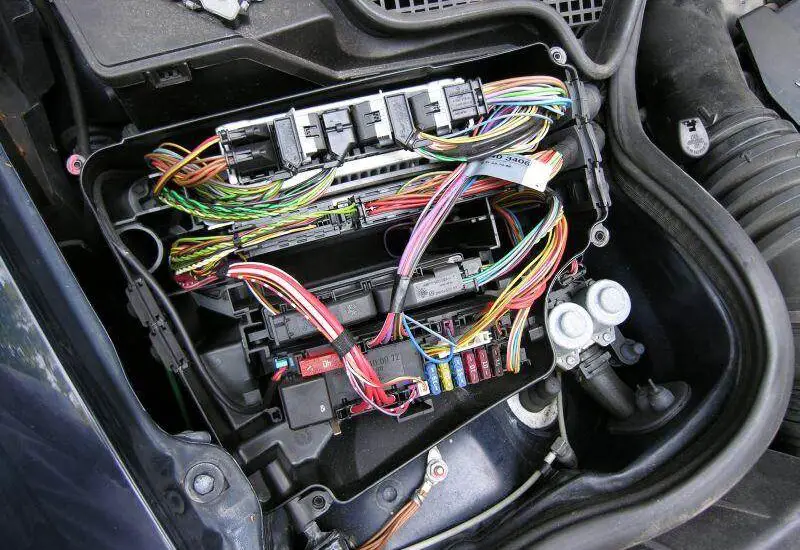
There are several symptoms of a bad transmission control module that warn you something is wrong and the most likely culprit is the module.
When this small device wears out or is damaged, your car struggles with degraded performance and driving becomes a chore rather than a pleasure.
What is a Transmission Control Module?
The transmission control module is the driving force behind the mechanism of an automatic transmission. It is a small but necessary component for the efficient operation of the transmission.
The transmission plays the main role in transferring this power, and the module is the component that controls the transmission. You will find this small component on the rear face of the engine.
Based on the information it receives from the engine, the module is key to shifting gears and changing speeds.
What it does is transmit the received signals to the clutch, which then executes the orders by making the necessary adjustments to fuel consumption and power output.
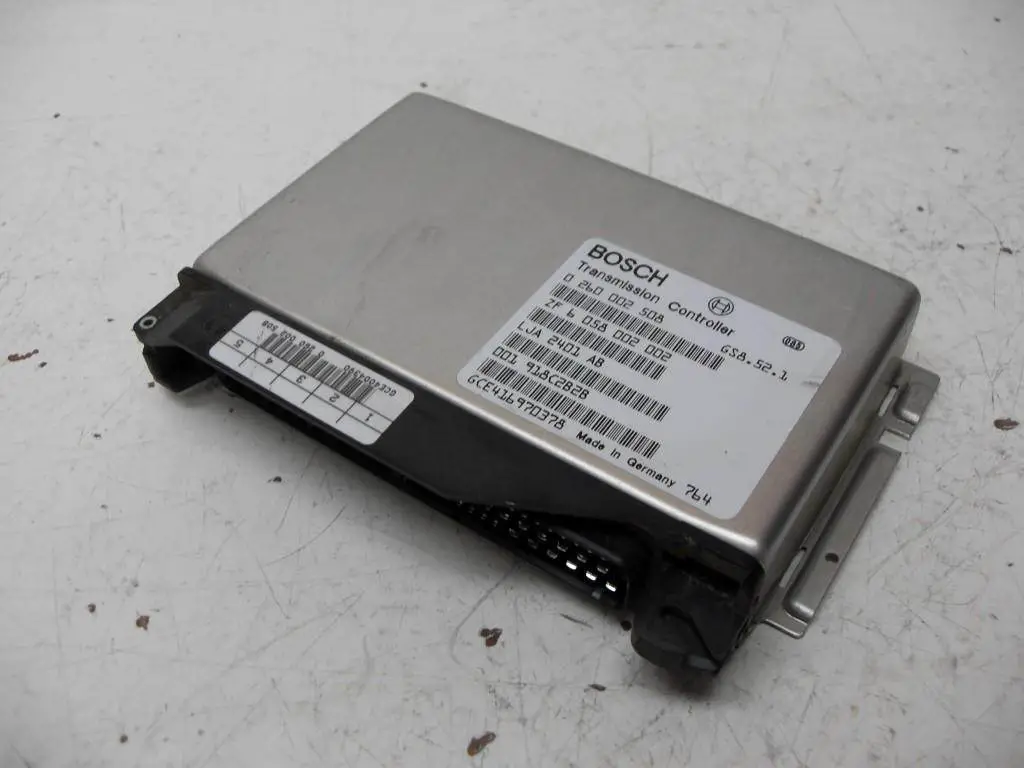
Some computerized modules have internal memory to remember information about your driving habits and apply it to perform the correct gear adjustments.
You need to be aware of several faulty signs of the transmission control module, as a malfunction in any one of them will affect the car’s performance.
Symptoms of a Faulty Transmission Control Module You Need to Be Aware Of
After learning about the transmission control module location and its function, let’s proceed to discover what happens when a transmission control module fails?
The signs of a bad transmission control module are not hard to detect if you know and understand what they are and where they come from.
Here are some transmission control module problems that you should never ignore:
Performance Issues
Does your car experience a lag in acceleration when you press the pedal? Does it no longer accelerate like it used to? This could be one of the bad TCM symptoms warning you that the device is not working properly.
The car must shift through different gears with precise timing to accelerate, and the module is the component primarily responsible for this operation. A lag in acceleration means it has malfunctioned and needs repair.
Gear Shifting Problems
There can be several gear shifting problems, warning you of bad transmission control module symptoms. Some of the most common issues are:
- Not downshifting properly when the car stops at a traffic light
- Delayed response when shifting from a lower gear during acceleration
- Shifting into neutral without warning
- Not being able to get out of neutral mode
- Randomly shifting from one gear to another
- Accelerating slowly or getting stuck on an incline

These are all symptoms of a bad transmission control module, indicating a problem with the component.
However, you can easily check if the module is the source of the problem in the case of a manual override. There will be no doubt about it if you can manually shift to the correct gear.
Struggling with Energy Efficiency
One of the notable signs of a bad transmission control module is lower fuel economy. A transmission malfunction means the engine has to work harder when traversing rough terrain or climbing a mountain road.
When this happens, the car is likely to consume more fuel than usual. If the frequency of your trips to the gas station increases for no apparent reason, the problem could be with the transmission module.
Nowadays, many automobiles have an information screen showing the current fuel consumption along with other variables. This makes it easier to know if the car is consuming more fuel than necessary.
Cars Stuck in Limp Mode
A notable and aggravating indication of a malfunctioning TCM is your vehicle getting stuck in “limp mode.”
Most cars activate this self-preservation mode when the TCM identifies a major problem with the transmission, provides incorrect data, or simply stops interacting with other control modules inside the vehicle.
Limp mode, in effect, prevents the automobile from shifting into higher gears, thereby limiting your vehicle’s power and speed.
What Causes Bad Transmission Control Module Symptoms?
Here are some reasons why the transmission control module fails.
Wear and Tear
The older your car gets and the more miles you put on it, the more parts wear out and fail. Weather conditions, road conditions, corrosive foreign chemicals, and lack of maintenance all contribute to wear and strain.

Generated Engine Heat
Since the transmission control module is a computer made up of electronic components, it is susceptible to heat damage.
Heat is never good for electronics, including TCMs. The metal and plastic casing of your TCM is meant to protect it from heat, but it can fail.
Vibrating Ride
Vibrations are also harmful to electronics, and automobiles vibrate a lot. The engine produces vibrations that increase with speed and RPM.
Your vehicle vibrates from road shocks. This research paper explains why vibrations are so detrimental to the TCM and its mount.
What are the Solutions?
A transmission control module is an electronic device, and a burnt circuit is the cause of its failure in most cases.
It could be a faulty resistor or transistor on a printed circuit board. Any qualified technician or experienced auto mechanic can fix the problem. You can even replace the entire module if necessary, but the device is expensive.
The good news is that sometimes the problem is not with the module itself, even if the car exhibits these similar symptoms. Instead, a clogged passage or a faulty valve solenoid in the transmission could be the cause.
The module cannot function properly because it does not receive the correct supply voltage due to problems with these parts. In this case, you can simply replace that problematic device and solve the issue at a lower cost.
Can You Drive with a Faulty Transmission Control Module?
Not at all! A problem with the transmission, especially during gear shifting, means the car might randomly shift to another gear or not shift into the correct gear while you are driving.
Both situations can be dangerous whether you are driving in the city or on the highway.

Furthermore, driving with a faulty TCM in cars will not solve the problem. On the contrary, it will worsen the condition, and your transmission could end up breaking into pieces.
Transmission Control Module FAQ
1. Can a Bad TCM Cause Transmission Slipping?
Yes, a faulty TCM can lead to transmission slipping. When the TCM fails to regulate gear changes properly, gears may not engage or disengage as they should, resulting in slipping, poor acceleration, and reduced power.
2. How Do I Know If My TCM is Causing Shifting Problems?
If you experience harsh or delayed gear shifts, even under normal driving conditions, your TCM could be the cause. Unusual noises, such as clunking or whining, during gear shifts can also be indicative of TCM issues.
3. Will a Bad TCM Trigger the Check Engine Light?
Yes, a failing TCM can trigger the Check Engine light to illuminate on your vehicle’s dashboard. Modern vehicles are equipped with onboard diagnostics that detect issues related to the TCM and generate error codes.
4. Can a Bad TCM Cause Transmission Overheating?
A faulty TCM can contribute to transmission overheating. Incorrect gear shifts and gear slipping caused by a bad TCM can generate excess heat in the transmission, potentially leading to overheating.
5. Can a Bad Battery Cause TCM Problems?
A weak or faulty battery can impact TCM performance. Voltage fluctuations can disrupt communication between the TCM and other control modules, leading to erratic behavior. It is good practice to ensure your vehicle’s battery is in good condition.