
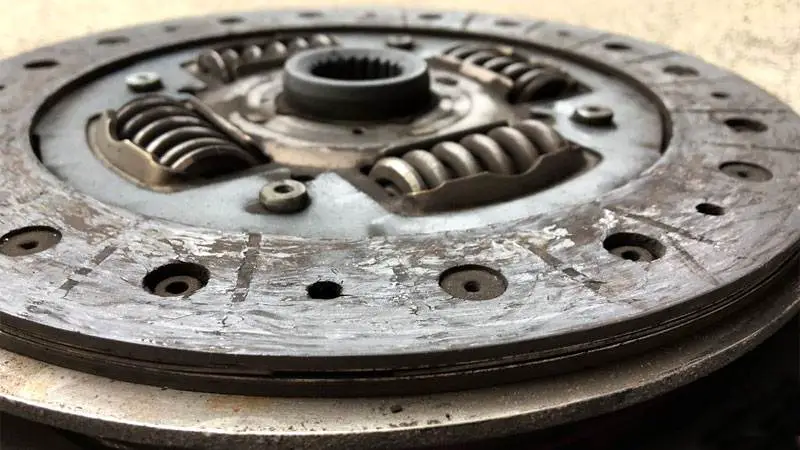
Has your manual transmission car started feeling a bit strange when you shift gears? Do you notice the engine revving higher than normal before the car moves? A slipping clutch could be the cause, and it will only get worse over time.
Knowing how to identify the distinct symptoms of a slipping clutch early can help you anticipate bigger problems and avoid a breakdown on the road.
What Does It Mean When a Clutch Slips?
A clutch is designed to maintain a certain level of engine torque, typically measured in foot-pounds (lb-ft) or newton meters (N·m). A pressure plate is used to hold the clutch against the flywheel, causing the transmission input shaft and engine to spin at the same speed.
Clutches are designed with friction material on both sides that will grip the surfaces of the metal pressure plate and flywheel. As a clutch wears out, it loses this friction material, much like your brake pads would.
At some point, the clutch will no longer hold the same torque as before. When engine torque exceeds the maximum torque a clutch can handle, the clutch begins to slip intermittently under higher engine loads.
Instead of gripping the flywheel and pressure plate, a worn clutch will allow the engine to spin freely, even when the clutch pedal is fully released. This phenomenon is often more noticeable in a mid-range gear, such as third or fourth, and will gradually worsen over time until the clutch is replaced.
In extreme cases, a worn clutch can leave you stranded, as the vehicle will not be able to transmit engine power to the ground.
This condition is often seen in vehicles that frequently drive in heavy traffic, cars with newer drivers, high-performance vehicles that are driven hard, and cars equipped with upgraded engines that far exceed their factory power level.
If any of these conditions apply to you, don’t be surprised if you experience slipping issues with your clutch.
Top 5 Symptoms of a Slipping Clutch
It’s important that you notice a slipping clutch before it causes serious problems for you or your vehicle. You wouldn’t want the engine to disengage from the drive wheels while driving at high speed. That could potentially cause an accident.
So try to recognize the symptoms of this issue so you can work on modifying your driving habits and fixing the problem. Here are five common ways to tell if the clutch is slipping.
1) RPM Increases But Not Speed
A simple way to test if you have a slipping clutch is to take note of your engine RPM. If you press the accelerator pedal to accelerate and your RPM increases faster than normal while your driving speed does not increase as it should, you likely have a slipping clutch.
For example, you might be driving on the highway and decide you need to pass a slower vehicle. When you try to accelerate, your RPM increases and your engine makes more noise, but your car doesn’t go any faster. A slipping clutch is usually more obvious in higher gears when you try to accelerate.
2) Burning Smell
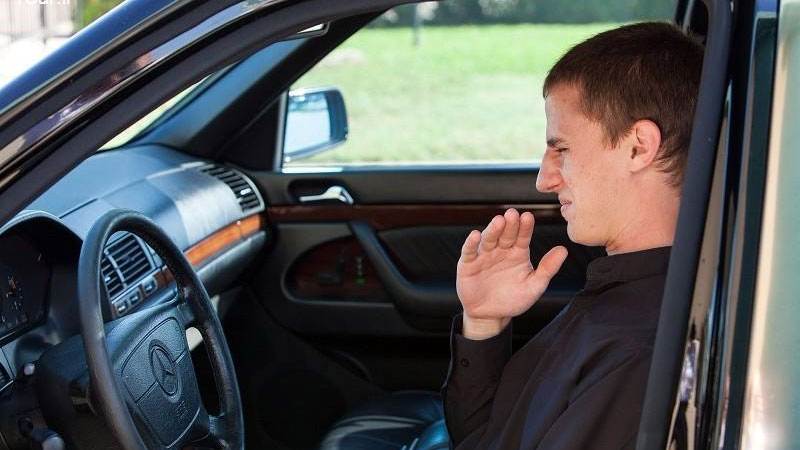
When the clutch slips, a burning smell emanates from the front of the car. This is due to all the excess heat generated by the constant disengagement of the engine and the slipping of the clutch.
The more the clutch slips, the worse the burning smell becomes. You don’t want to drive with this smell in the cabin as it will make you nauseous. The more the clutch slips, the more the situation deteriorates.
3) Poor Engine Performance
The ultimate test occurs when you’re pulling a heavy load in or behind your vehicle. Normally, this would require the engine to send a lot of power to the drive wheels.
But if your clutch is slipping, the engine won’t be able to deliver that power. Then you’ll have almost no acceleration due to this lack of engine power. You can reduce the load you’re pulling to increase power somewhat, but it won’t be a permanent solution.
4) Clutch Pedal Height Difference
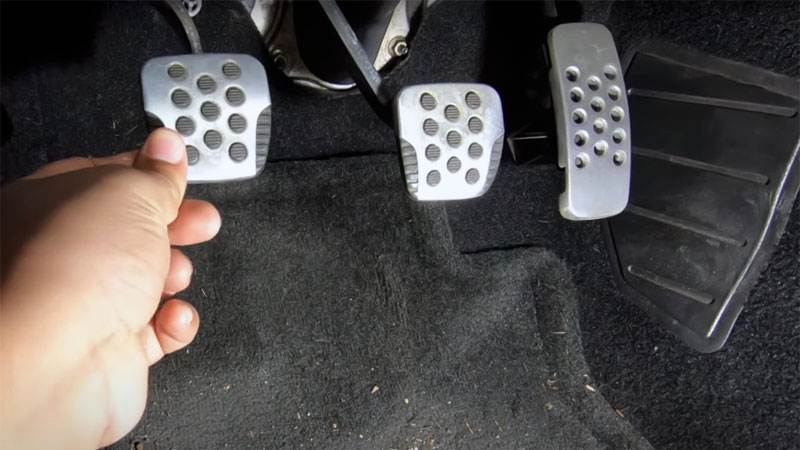
When driving your vehicle, you should be accustomed to the height of the clutch pedal relative to the floor. When you press the pedal and remove your foot, the pedal should always return to the same height as before.
If you ever notice the height starting to change, whether the pedal is too high or too low, then something is definitely wrong with the clutch. In most cases, this will be due to the clutch slipping.
You can try adjusting the clutch pedal to see if it helps, as this is much cheaper and easier than dropping the transmission to replace the clutch.
5) Quick Disengagement
The main symptom of a slipping clutch is quick disengagement between the engine and the drive wheels. When the clutch is normal, you’ll need to press the pedal about 1 to 2 inches before the engine disengages.
However, with a slipping clutch, the engine will disengage after lightly pressing the clutch pedal less than an inch. Sometimes, just resting your foot on the pedal will cause the engine to disengage.
How to Fix a Slipping Clutch?
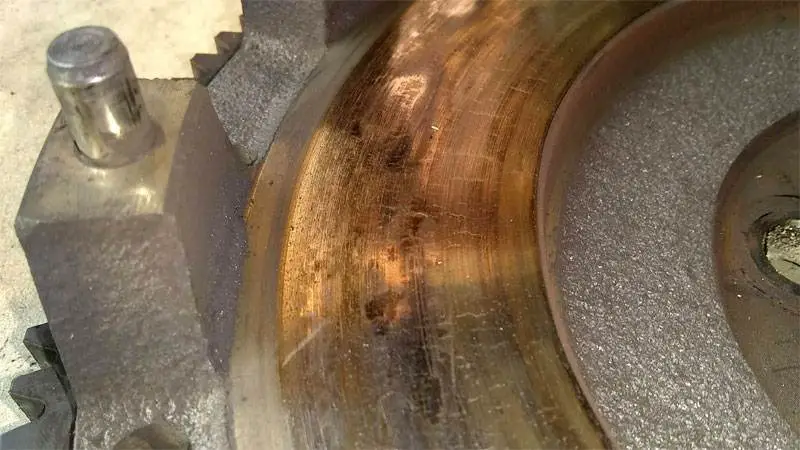
There is virtually only one solution to fix a slipping clutch: clutch replacement.
Sometimes, a rear main seal leak will cause a good clutch to slip (because the clutch can be lubricated with engine oil), but usually you’ll just replace the clutch while you’re at it; the mechanic has to drop the transmission anyway to replace the rear main seal, and the parts cost for a clutch job isn’t very high.
You’ll also want to consider resurfacing or replacing the flywheel and pressure plate, as these parts can degrade over use. If the clutch is worn down to the rivets, there’s a good chance the excessive heat and metal-on-metal contact has damaged the flywheel and warrants its replacement.
What Causes a Clutch to Slip?
There are a variety of factors that can cause your clutch to show signs of slipping, including driving styles and shifting habits. Here are the most common causes:
Worn Clutch Disc
Over time, the friction material on the clutch disc can wear out. This reduces the disc’s ability to grip the flywheel and pressure plate, allowing it to slip when torque is applied via the transmission.
Riding the Clutch
Resting your foot on the clutch pedal while driving puts constant pressure on the clutch. This can cause overheating and slipping. It’s best to press the clutch fully when shifting gears, then release it completely.
Weak Clutch Springs
The clutch disc is clamped between the pressure plate and flywheel by springs. If these springs weaken or break, they won’t apply enough force to prevent slipping.
Launching from a Stop
Quickly releasing the clutch and trying to accelerate aggressively from a stop puts a lot of stress on the clutch components. This can lead to premature wear and slipping. Of course, burnouts can be fun, but they have consequences.
Low Clutch Fluid Level
Clutches use hydraulic fluid to engage and disengage. If the fluid level is low, the pressure plate may not fully engage the clutch disc.
Oil Contamination
Oil or grease on the clutch disc can prevent it from gripping properly. A rear main seal leak could cause oil contamination of the clutch.
Overheating
Excessive heat buildup, due to heavy loads or riding the clutch, can glaze the clutch disc material, reducing grip. This is commonly referred to as clutch discoloration.
Poor Shifting Habits
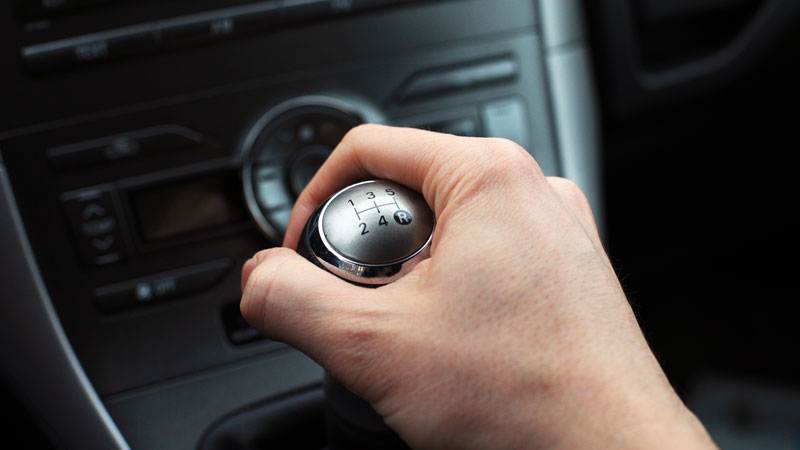
Not fully depressing the clutch when shifting, shifting into the wrong gear, or releasing the clutch too quickly can cause the clutch to slip as it tries to match the speeds of the engine and transmission.
Improper Downshifting
When downshifting, the engine RPM should be increased to match the lower gear ratio before releasing the clutch. If the clutch is released before the engine RPM increases, the clutch will slip.
Towing or Carrying Heavy Loads
Using the clutch to start from a stop with a heavy load in the vehicle can cause overheating and slipping over time. The load puts extra strain on the clutch.
Preventing Future Clutch Slippage
To prevent clutch slippage on the road, start by regularly checking your clutch fluid. Low levels can cause slipping, so keep it filled with the factory-specified fluid.
Also focus on smooth driving. Avoid aggressive launches or reckless shifting that can prematurely wear out the clutch. Instead, be gentle with the pedal and perform deliberate shifts.
Also stay on top of maintenance. Have a mechanic inspect the clutch system during routine visits. Early detection of any issues can prevent slipping.
When the time comes, invest in a quality replacement clutch rather than opting for the cheapest option. A robust replacement kit will provide better grip and longevity.
FAQ
Can the Clutch Slip in an Automatic Transmission?
Although automatic transmissions don’t have a manual clutch, they can still experience slipping issues similar to manual vehicles. Instead of a clutch, automatic systems use a torque converter and transmission fluid pressure to shift gears, so issues such as low fluid levels or a faulty torque converter can cause gear slippage.
Just like inspecting the clutch on a manual transmission, it’s important to regularly check the transmission fluid and address any slipping issues promptly in an automatic transmission. With proper maintenance and care, slipping can be avoided in both types of transmissions.
Slipping vs Riding the Clutch: What’s the Difference?
When you experience a slipping clutch, it means the clutch is not properly transferring engine power to the transmission. This causes the engine to rev faster than it should, while the car doesn’t go any faster. You’ll typically notice an increase in RPM without a corresponding increase in speed, along with a foul burning smell or a feeling of disconnection between the accelerator pedal and acceleration.
On the other hand, riding the clutch is a bad driving habit where you constantly keep your foot on the clutch pedal, even when it’s not necessary. This could lead to faster clutch wear, which might contribute to its slipping in the long run. Avoid riding the clutch by releasing the pedal between shifts or when you’re not actively using it to maintain clutch integrity.
Why Is My Brand New Clutch Slipping at High RPM?
There are several reasons why your new clutch might be slipping at high RPM. First, the clutch may not have been broken in sufficiently yet. It’s important to allow your new clutch time to wear in properly, which may require 500 to 1,000 miles of easy driving. Avoid aggressive acceleration and high RPMs during this period.
Faulty installation could be another reason. In some cases, improper alignment or incorrect torque settings can lead to excessive wear or poor clutch performance.