
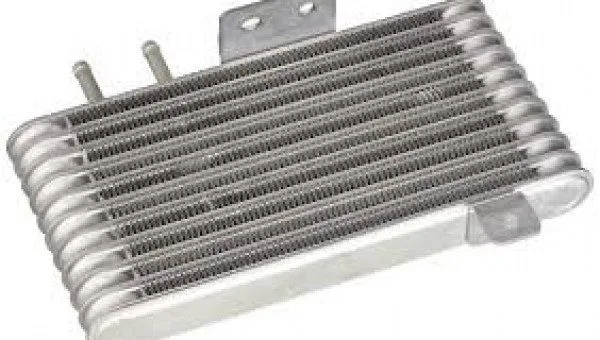
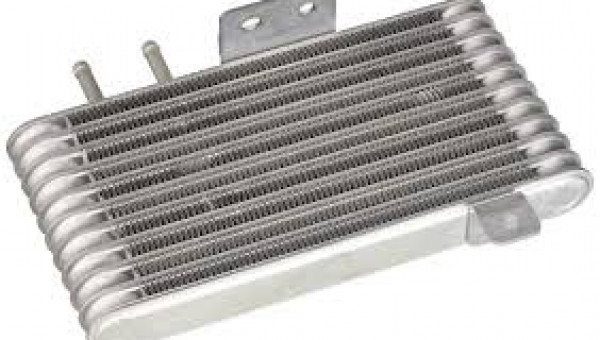
The oil cooler is an essential component of every vehicle, whether it’s a sedan, SUV, or full-size truck.
It is designed to ensure the proper functioning of your vehicle day after day. Whether you own an expensive vehicle or a cheap daily car like a Toyota, you must take care of the oil cooler so that it works perfectly.
Since the transmission oil cooler rarely needs maintenance, it is very unlikely that you will look at it. Regardless, the proper functioning of the oil cooler is necessary for a healthy vehicle, and if it is worn out, you could be in big trouble.
Functions of an Oil Cooler
transmission heat exchanger The actual function of a transmission oil cooler is to remove excess heat from the transmission oil. Basically, oil is used in the transmission to reduce the friction that occurs when gears change position. And from what we know about friction, it can be reduced but not eliminated.
Furthermore, friction generates heat that must be dissipated. In a transmission oil cooler, this heat is channeled through the transmission oil. This oil moves from an outlet of the transmission to the radiator. The radiator uses coolant to cool the oil along with water and returns it to the transmission.
There are two types of transmission coolers: one is the aforementioned radiator system, while the other is located near the air conditioning condenser. Both coolers have the same effect and differ only in their practicality and operation. The proper oil temperature facilitates the efficient operation of the transmission. You can also have a heat exchanger between the coolant and the transmission oil.
Automatic Transmission?
The good news is that if you maintain your car as usual, including routine oil and filter changes, your car’s oil cooler should last a very long time. But even regular maintenance cannot prevent a component from failing.
An oil cooler will show certain symptoms before it completely fails. You just need to have the right knowledge to recognize these symptoms and take the right measures. Here, we have listed some symptoms that can help you along the way.
1. There is an Oil Leak
One of the first signs you will notice before your oil cooler stops working is an oil leak. This leak can occur in many places. The oil can leak either near the transmission outlet, near the cooler connection, or at the back of the transmission. The first two locations form a small puddle directly under the front of your vehicle. This leak is easily visible and can be detected every time you return in the morning to start your car.
If the leak is located at the rear end of the transmission near the shaft, you may not be able to detect it easily. Therefore, it is advisable to always look for an oil spill immediately after removing your car from the driveway. Otherwise, you will continue to damage your transmission and end up paying much more than just an oil cooler.
2. Noise When Shifting Gears
The oil inside the gearbox is necessary to maintain a healthy working environment for the gears. If the oil is leaking or not cooling to the operating temperature, your transmission may make a clumsy noise with each gear change. When the oil is heated and reaches a very high temperature, it begins to boil and evaporate. This can lead to the depletion of the oil level in your gearbox and eventually make it more difficult to shift gears effectively.
Fortunately, you can feel a change when you shift gears. If it takes a lot of effort to shift a gear, especially a low gear, you may have transmission oil problems caused by a faulty oil cooler.
3. Hose Damage
The oil cooler receives the transmission oil through a number of hoses that are connected between the transmission outlet and the oil cooler in the radiator. The hoses used for oil transfer are usually very rigid and resistant, meaning they can withstand high pressures.
In other words, they are not easily damaged. However, if they are damaged, they leak oil. If the oil does not reach the oil cooler in its entirety, it will not be cooled properly and the transmission will overheat.
4. Engine Overheating
If the transmission does not receive cold oil due to a fault in the oil cooler, your gears will not shift properly. Incorrect gear shifting creates additional resistance that the engine must overcome. This requires the engine to work harder than usual, leading to engine overheating.
If you are driving your car and notice slow gear changes and see that your temperature reading is rising, take your car directly to a certified mechanic. A mechanic will have the appropriate remedy for your car problems.
Transmission Oil Cooler Replacement Cost
Each of these symptoms requires you to take your car to a professional mechanic. A mechanic will check your transmission oil and then check for leaks. If there are signs of oil cooler failure, it is advisable to decide to have the oil cooler repaired or consider replacing it.
Repairing the oil cooler is less expensive than replacing the oil cooler because replacing the oil cooler requires modifications to your radiator. The oil cooler is simply a pipe that runs through the radiator. If it is worn out, your mechanic will need to replace it with a new one, which will increase your labor costs. Typically, an oil cooler replacement will cost you around $100 to $200 without labor fees. Depending on the amount of work, the mechanic must