
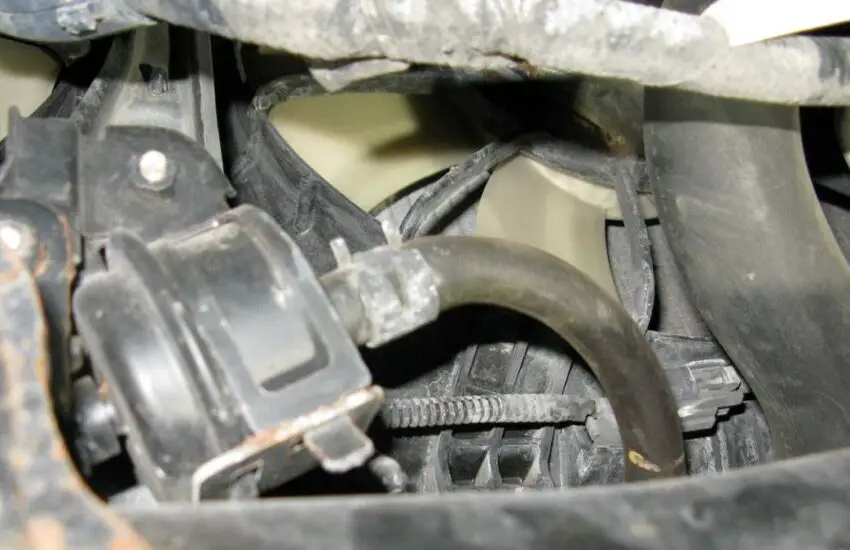
While most people know all about oil filters and air filters, the one that many drivers overlook is the transmission filter. But just because it’s not as well-known doesn’t mean it can’t cause major problems for your vehicle.
Knowing the symptoms of a faulty (or clogged) transmission filter can help you understand what’s going on with your vehicle, and knowing how often you should replace a transmission filter can help prevent your vehicle from developing problems in the first place.
What is a Transmission Filter For?
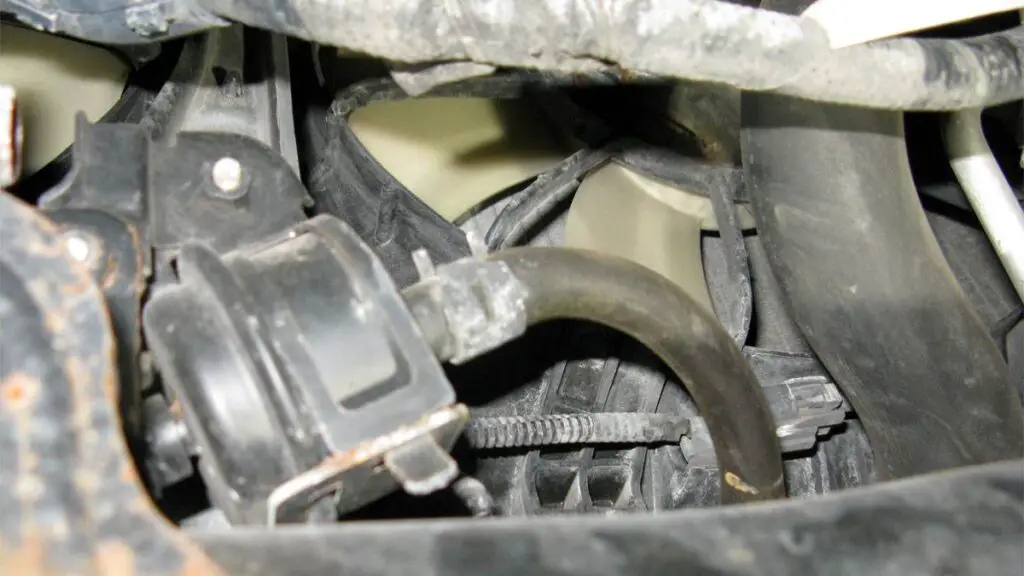
The transmission filter works much like your vehicle’s oil filter, removing contaminants from the oil before they can damage other parts of your vehicle’s transmission. Your vehicle’s transmission oil works much like engine oil, providing cooling, lubrication, and cleaning benefits.
But to get the most out of these properties, the transmission fluid must stay clean, which comes down to the transmission filter. Even though the transmission oil system shouldn’t contain many contaminants, even a few contaminants can create big problems. The transmission filter ensures this doesn’t become an issue.
Where is the Filter Located?
It depends on the type of vehicle you drive, but you can find the transmission filter either inside the transmission oil pan or outside the transmission pan.
If the filter is inside the pan, it’s usually a paper element, and if it’s outside, it’s typically a screw-on transmission filter.
Transmission Filter vs Screen
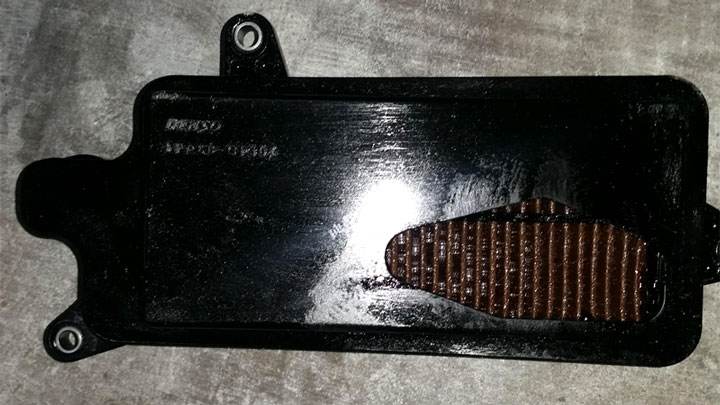
While transmission filters are important, not all vehicles filter transmission fluid the same way. One of the most common alternatives to a transmission filter is the transmission screen.
Vehicles with a transmission screen typically place them inside the transmission pan, and the transmission fluid must pass through the screen during operation. These are usually metal screens and you never need to replace them, although you should perform regular fluid flushes to keep the fluid clean.
Meanwhile, transmission filters can be placed inside or outside the transmission pan, and they feature an active filtering element that you’ll need to replace every time you perform a fluid flush.
Generally, filters do a better job of keeping the fluid clean, but since you need to replace them with every flush, it also increases maintenance costs.
Bad Transmission Filter Symptoms
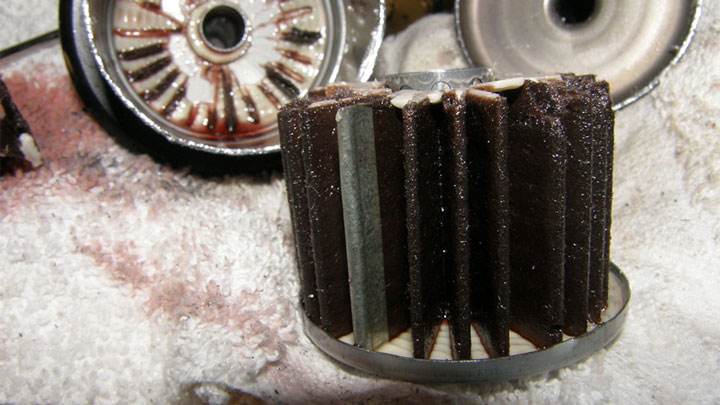
If your transmission filter starts to fail, you’ll notice a few noticeable symptoms. However, even if you start noticing these symptoms, it’s best to stick to the recommended maintenance intervals.
If you follow the recommended maintenance intervals, you should change the transmission filter before you start noticing any of these symptoms.
#1 – Rattling Noises
Rattling noises can occur with an old transmission filter for different reasons. First, the transmission filter element itself can break and rattle. Then, if the filter is no longer working properly, metal chips from the transmission can start rattling inside the transmission.
Unfortunately, if your transmission is making a rattling noise, even if an old transmission filter is the cause, it’s likely to require expensive repairs.
#2 – Whirring or Whining Noises

If you drive a vehicle with a manual transmission, you’re more likely to hear a whirring or whining noise instead of a rattle. However, since most manual transmissions don’t have a transmission filter, this usually isn’t the cause.
But keeping that in mind, it’s possible for an automatic transmission to have these noises, and often the problem is a clogged transmission filter. Sometimes simply replacing the filter fixes the problem, and other times other components are already damaged.
#3 – Leaks
While there are many potential causes of a transmission fluid leak, one of them is a clogged filter. Clogged filters don’t allow transmission fluid to flow as it should through the rest of the system, and the increased pressure can cause seals to fail.
If you have a transmission fluid leak, replace the pan gasket, flush the transmission fluid, and replace the filter to ensure the problem doesn’t happen again!
#4 – Contaminated Transmission Fluid
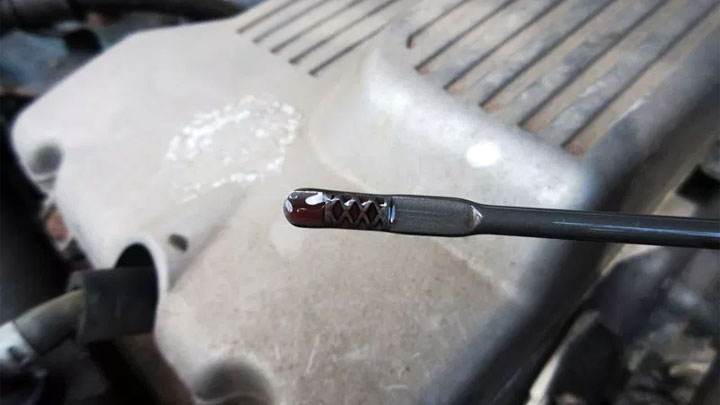
If you have an old filter, it won’t filter the transmission fluid as effectively as it should. Dark red, brown, or even black transmission fluid all indicate that it’s time to flush the transmission fluid and install a new filter.
#5 – Shifting Problems
If your vehicle starts having shifting problems due to an old transmission filter, it’s way too old. This happens with a clogged transmission filter that doesn’t let fluid flow as freely as needed through the engine.
When this happens, it can prevent other components from working as they should, and it can even damage those components.
#6 – Unusual Smells
If the transmission filter gets too old, it can’t effectively filter the transmission fluid. In doing so, it starts to lose some of its viscosity and lubricating properties. As a result, the transmission fluid can get too hot and start to burn. Burning transmission fluid gives off a distinct smell.
How Often Should You Change a Transmission Filter?
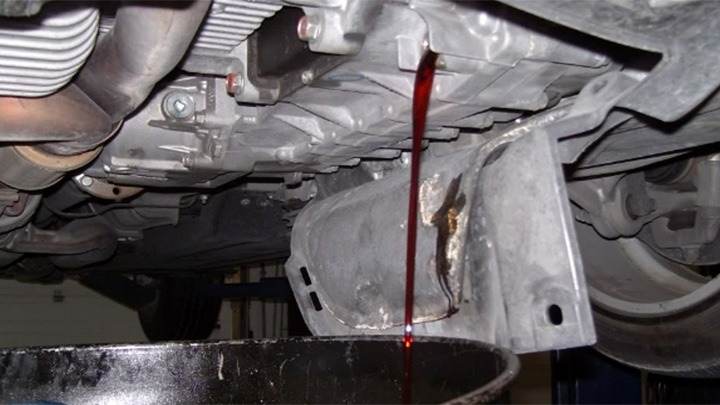
Similar to the transmission fluid drain interval, you should consult the owner’s manual to see what your vehicle needs regarding the transmission filter changes are concerned. However, many automakers recommend changing the transmission filter every 30,000 miles or every two years, whichever comes first.
Whenever you change the transmission filter, you should also perform a transmission fluid flush. But before you drop the pan and drain the fluid, do yourself a favor and check your vehicle’s requirements, as some newer vehicles use a sealed system and last 100,000 miles or more.
Can the Filter Be Cleaned and Reused?
If your vehicle uses a metal screen, then yes, you can clean it and reuse it. But for typical transmission filters, you cannot clean and reuse them. The filter element wears out over time and if you try to clean it, you will damage it.
When you put it back in your vehicle, it won’t filter contaminants as it should and you might even introduce contaminants directly into the system. When you perform a transmission fluid flush, you should replace the filter every time.
Transmission Filter Replacement Cost
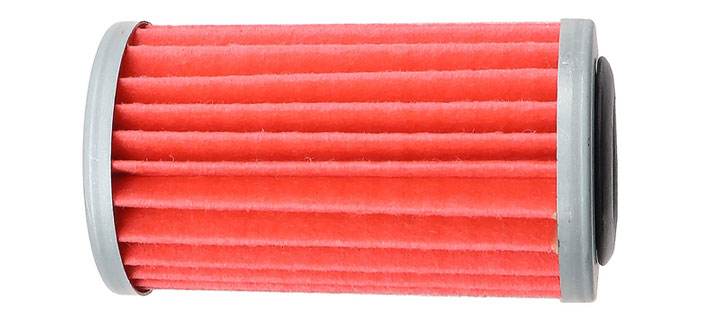
Since you need to perform a transmission fluid flush every time you change the transmission filter, it costs a bit more than you might think at first. Not only that, but often when replacing the transmission filter, you need to drop the entire transmission oil pan, which also significantly increases the price.
Overall, you can expect to spend between $400 and $500 for a full fluid flush and transmission filter change. Of that cost, only about $200 is for parts.
If you own a vehicle with an external transmission filter, you can expect to spend less, typically between $250 and $300 for a transmission fluid flush and a new filter.
Do Manual Transmissions Have a Transmission Filter?
Since the manual transmission doesn’t use a pressurized system like an automatic transmission, there’s really no reason to install a transmission filter with an automatic transmission. Because there’s no pressure in a manual transmission, there’s no way for a manual transmission to filter the fluid.
However, since there’s no pressure in the system, it’s also much less likely that different contaminants will cause problems with manual transmissions. You’ll still need to follow the fluid flush according to the manufacturer’s recommendations. But if you do that, you shouldn’t encounter any problems.