
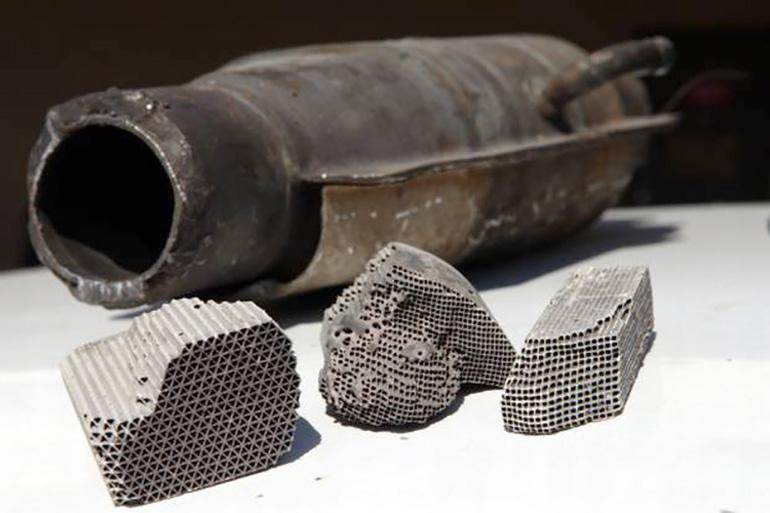
It is important to know the symptoms of a bad catalytic converter in order to spot them immediately and take the vehicle to a service workshop for maintenance.
What are the symptoms of a bad catalytic converter?
The catalytic converter is a key component of a car’s exhaust system: it alters certain properties of the harmful gases produced during engine operation. As a result, the emitted gases have a less damaging impact on the environment.
A broken catalytic converter is not uncommon at all. Any external impact like road debris or overheating of the engine’s internal components can affect it. Let’s explore some catalytic converter symptoms with Car From Japan.
1. Engine Misfires
The catalytic converter can overheat and show signs of failing when the engine misfires. And this is the first symptom of a faulty catalytic converter. An extremely rich fuel mixture causes ignition by allowing raw fuel to enter the converter. This condition is dangerous because it can melt the catalyst components.

2. Loss of Power During Acceleration
Losing power during acceleration or going uphill is one of the most common clogged catalytic converter symptoms. Mechanics often misdiagnose this cause, especially in cases of partial clogging, and suggest changing some components, which proves useless.

You can be sure of this issue by applying a simple test. Besides the obvious low-power acceleration, you can check the exhaust with your hand.
Ask an assistant to keep the car’s RPM between 1,800 and 2,000 while you check the exhaust thrust with your hand behind the muffler. If you feel a hot sensation in the exhaust flow, the converter is definitely clogged.
3. Degraded Performance
An overall degradation in engine performance is another sign. This happens due to the backpressure created by the failing converter, affecting the engine and preventing it from running freely. This makes your car shake, and the sudden pressure surge can sometimes also cause the engine to stall while you’re driving.
4. Reduced Exhaust System Performance
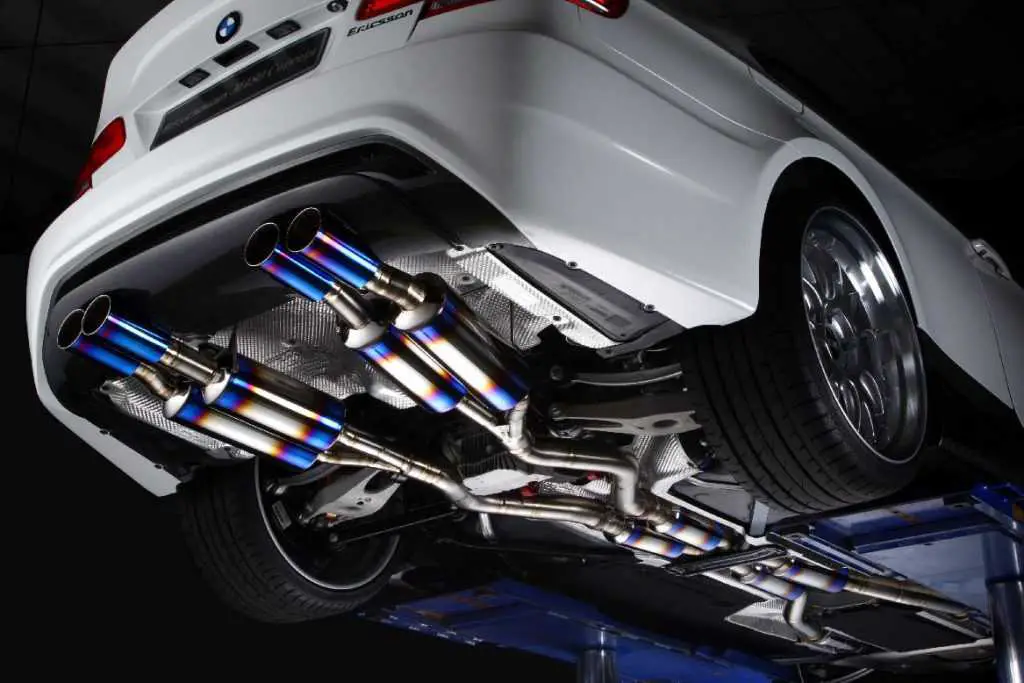
Another way to notice the bad catalytic converter symptoms is to keep an eye on the exhaust system’s performance. It will degrade if the converter fails, and the problem can be attributed to an error in the fuel system.
5. Fuel Vapor
If your vehicle is equipped with a carburetor instead of fuel injection, you can confirm a bad catalytic converter by performing the fuel vapor test. Remove the air filter and ask an assistant to shine a flashlight near the carburetor intake.
Start the engine and see if there is a cloud of vaporized fuel on the carburetor. If so, you can undoubtedly assume that your car’s catalytic converter is clogged.
6. Increased Emissions
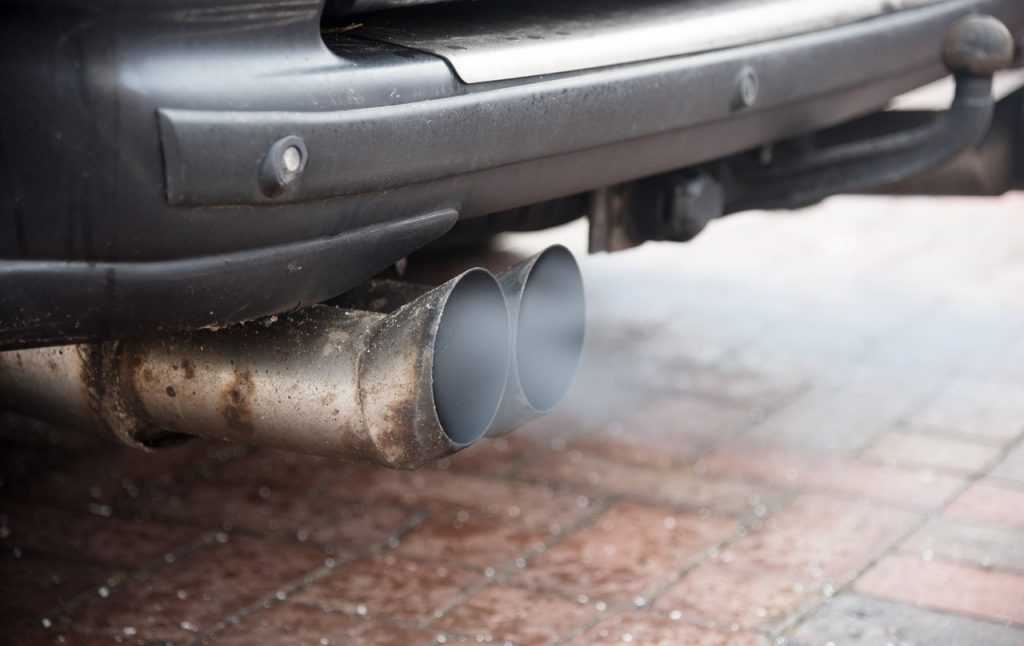
Increased emissions is one of the symptoms of a bad catalytic converter that you should notice. When a converter fails, it cannot properly do its job, which is to reduce gaseous emissions.
Thus, a high level of carbon emissions is the obvious consequence of a bad exhaust system. The effects of a catalytic converter are damage to the entire exhaust system if you don’t repair it promptly.
7. Stolen Catalytic Converter
Catalytic converters are frequently stolen due to the precious metals they contain. Converters contain small amounts of platinum, rhodium, and palladium, all of which have value to metal dealers.
8. The Catalytic Converter Needs Regular Maintenance
Other minor symptoms of a bad catalytic converter are reduced acceleration, sluggish engine performance, excessive heat under the vehicle, dark exhaust smoke, and a sulfur or rotten egg smell from the exhaust.
Some of these symptoms can also result from other faulty parts of the emission system, so it’s important to have a mechanic diagnose when it’s time to replace your catalytic converter.
Keeping your exhaust, emission, and combustion systems in good condition will minimize the risk of your catalytic converter failing before it wears out – often 10 years or more.
Driving with a Bad Catalytic Converter: Yes or No
If your beloved car has catalytic converter issues, you might be wondering “can I drive a car with a bad catalytic converter” or “how long can I drive with a bad catalytic converter”. Here is the answer for you.
A Bad Catalytic Converter Can Run Indefinitely
Driving with catalytic converter failure symptoms is not too dangerous, and you can still drive your car as usual. However, you will notice a decrease in the catalytic converter’s performance.
If the catalytic converter is plugged, it will prevent your vehicle from running. In some situations, the catalytic converter can become completely fused directly or over time, and you must replace it immediately.
A car with these failure symptoms can run indefinitely and doesn’t cause much harm depending on your driving and the severity of your issue.
If your catalytic converter is slightly faulty and the only destinations you drive to are nearby, it’s probably not a disaster for you, and you don’t need to rush to replace or unclog it.
A Bad Catalytic Converter Can Burn for Extra Hours
The internal fiber of your catalytic converter can burn if the car’s engine runs or burns too much oil. It doesn’t matter if you drive your car as far as you want, but you will notice a smell and some smoke.
What to Do If You Think You Have a Faulty Catalytic Converter?
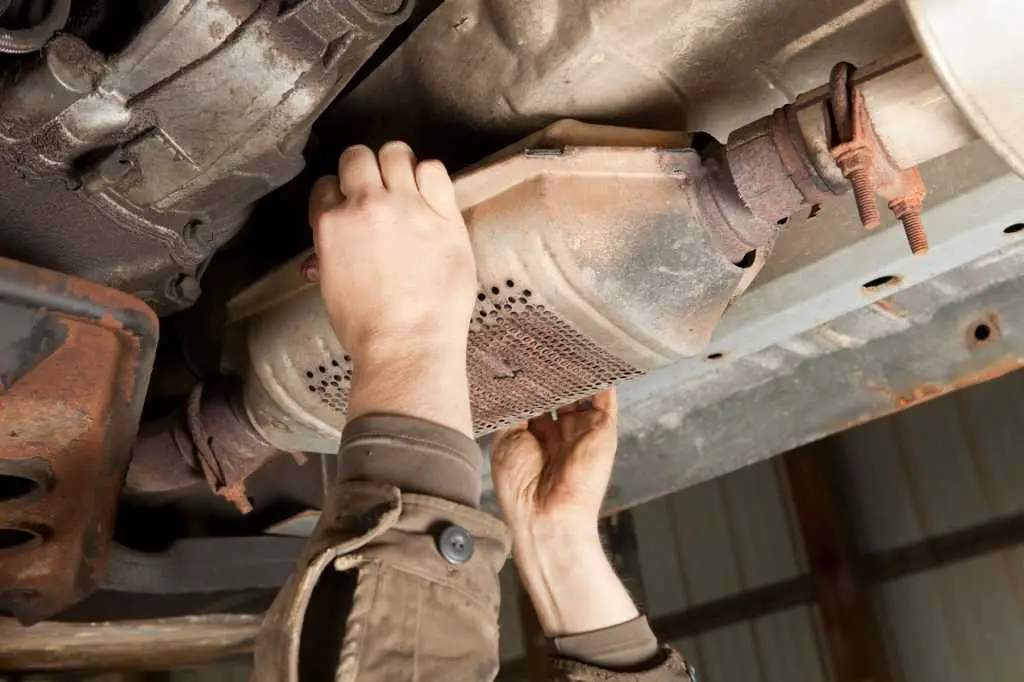
Unfortunately, you cannot repair a faulty catalytic converter. Replace it as soon as possible to avoid contributing to air pollution and to prevent potential collateral damage to your engine and exhaust system.
You can replace it at a trusted mechanic or garage. These are the best places to do it.
Want to know how to tell if you need a new catalytic converter in your car? Watch this video by Scotty Kilmer.
How to Unclog a Catalytic Converter?
There is a whole range of products and methods claiming to unclog a clogged catalytic converter. And while some of these approaches might work, many of them will not. The only foolproof way to fix a clogged catalytic converter problem is to replace it with a new one.
How Much Does It Cost to Replace a Faulty Catalytic Converter
Replacing a catalytic converter is not cheap. According to an estimate, most replacements will cost between $1,300 and $1,600. The exact cost of the work will depend on many factors, including the type of vehicle you have.
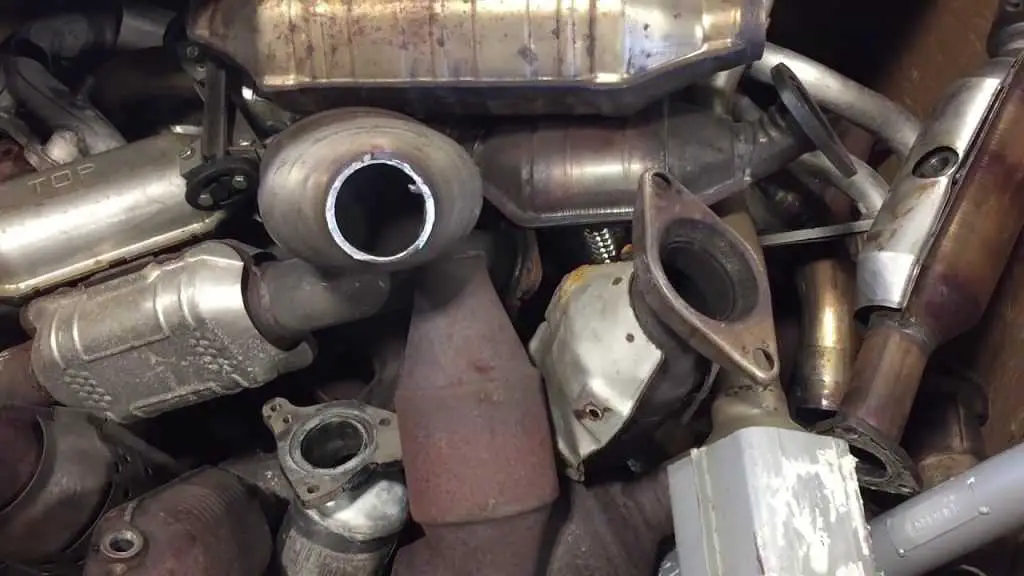
If you decide to tackle the job yourself, expect to pay between $100 and over $1,000 for a replacement catalytic converter. Again, the exact cost of the part will depend on many factors, including the type of vehicle you own.
Sometimes you’ll find relatively inexpensive universal catalytic converters. The problem is that typically, these components need to be welded or clamped, making the replacement much more difficult.
A better option? Be diligent about preventive maintenance. Keep your exhaust system clean and well-maintained to avoid catalytic converter problems in the first place.
Conclusion
Most bad catalytic converter symptoms do not affect the operation of your vehicle. But if you have to deal with a completely clogged catalyst, continuing to drive your car is something you must avoid.
In some countries, it is illegal to drive a car with a damaged catalytic converter, as the smog from your car will have many harmful impacts on the environment. So, getting your car a new catalytic converter is what you must do in this case.