
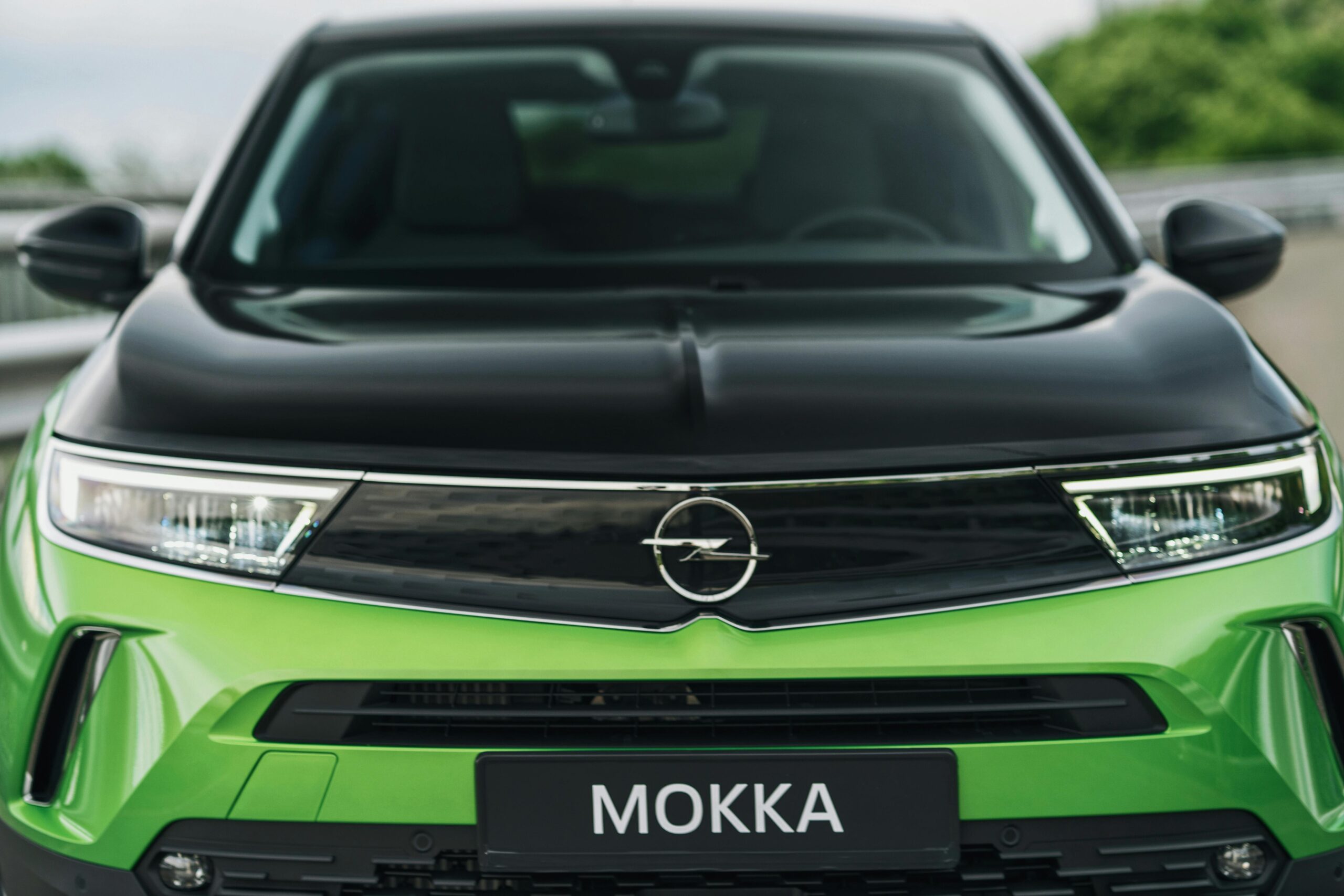
Student Testimonial: Rennes-Perpignan in an Opel Corsa-e

The start of the university year often means moving for future students. While some are lucky enough to find housing near their campus, others have to travel hundreds of kilometers to reach their new student city. This is the case for Gaëlle, who made the Rennes-Perpignan journey driving an Opel Corsa-e, demonstrating the viability of electric vehicles for long student trips.
The Challenge of Student Mobility in an Electric Vehicle
The journey between Rennes and Perpignan is about 1,000 kilometers, a considerable distance for an electric vehicle, especially when it’s a city car like the Opel Corsa-e. This testimonial highlights the concrete realities of daily electric vehicle use in the context of higher education. Trip planning, range management, and charging times are determining factors for this type of travel.
The Practical Experience of Long-Distance Electric Driving
Beyond technical specifications, the real driving experience reveals valuable lessons. The Corsa-e, with its advertised range of about 330 kilometers, requires rigorous organization for a journey of this scale. The charging infrastructure along the Atlantic axis to the Mediterranean proved sufficient but requires careful anticipation. Charging breaks naturally correspond to the driver’s rest times, creating a healthier and less tiring travel rhythm.
Economic Benefits for a Student
Financially, choosing an electric vehicle offers significant advantages for a student budget. The cost per kilometer is significantly lower than that of a combustion engine vehicle, especially over long distances. Reduced maintenance costs and potential purchase incentives are additional arguments in favor of student electric mobility. This experience shows that the initial investment can be amortized over the course of studies thanks to the savings made.
Adapting to the Constraints of Electric Travel
Gaëlle’s journey perfectly illustrates the evolution of attitudes towards electric mobility. Far from being perceived as limitations, charging breaks become moments of relaxation and work. Many service areas equipped with fast chargers allow for recovering 80% of the battery in about thirty minutes, the ideal time for a meal break or to get ahead with revisions. This flexibility fits perfectly into the student lifestyle rhythm.
Future Prospects for Student Electric Mobility
This testimonial opens encouraging perspectives for the future of student travel. As universities gradually develop their own charging infrastructure, the electric car is becoming an increasingly credible option for young people in higher education. The continuous improvement of ranges and the densification of the charging network help to remove the last psychological barriers. Gaëlle’s successful experience between Rennes and Perpignan proves that electric mobility is no longer reserved for daily commutes but now extends to major student travels.