
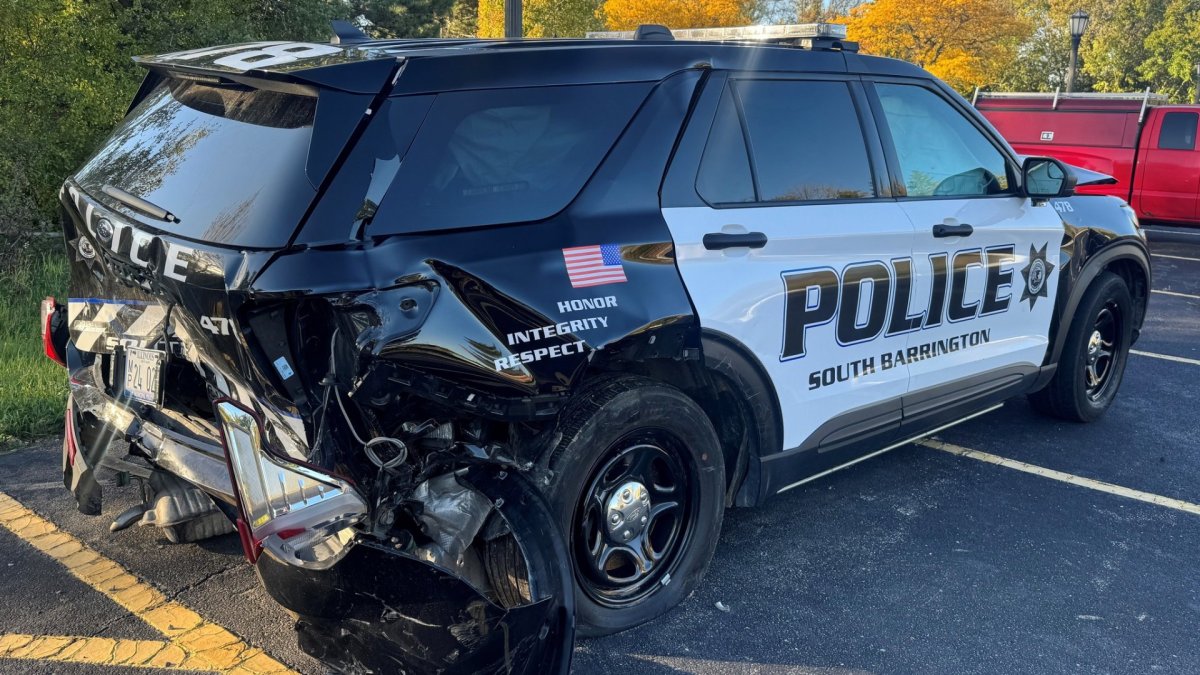
Autopilot Under Scrutiny After Illinois Incident
A Tesla driver in Illinois reportedly asleep at the wheel has brought renewed attention to the capabilities and limitations of semi-autonomous driving systems. According to claims, the vehicle was operating on Autopilot when it collided with the rear of a parked police car. This event adds to a growing list of incidents involving Tesla’s driver-assistance technology and emergency vehicles, raising questions about system reliability and user responsibility.
Understanding the Technology’s Limits
Tesla’s Autopilot is designed as a suite of advanced driver-assistance features, not a fully autonomous system. It combines adaptive cruise control with lane-keeping assistance to support drivers on highways. However, Tesla explicitly states that drivers must remain engaged, with hands on the wheel and attention on the road at all times. The system uses cameras and sensors to detect obstacles, but it can struggle with stationary objects, especially in complex traffic scenarios.
Pattern of Similar Occurrences
This is not the first time Autopilot has been implicated in collisions with first-response vehicles. Several past incidents have involved Teslas failing to recognize parked emergency vehicles with flashing lights. The National Highway Traffic Safety Administration has opened investigations into these cases, focusing on how the system handles such situations and whether it adequately alerts drivers to take control.
Driver Responsibility in the Age of Automation
While technology advances, the role of the driver remains critical. Relying on Autopilot while asleep or otherwise inattentive violates Tesla’s usage guidelines and basic safety principles. This incident underscores the need for clearer public understanding of what semi-autonomous systems can and cannot do, and the legal and safety implications of misuse.
As investigations proceed, this case may influence future regulations and technological improvements aimed at preventing similar events. It serves as a stark reminder that until fully autonomous vehicles are perfected, human vigilance cannot be optional.