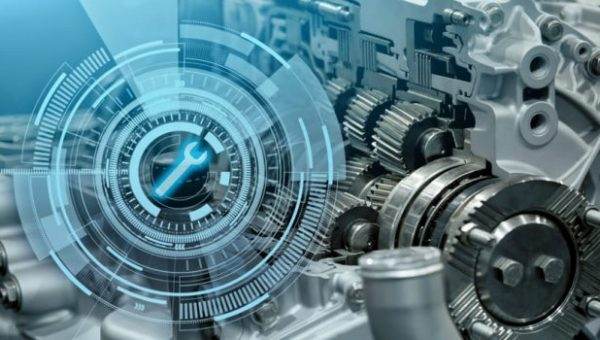

Automotive transmission systems are complex networks of moving parts that interact to transfer the right amount of power from the engine to the wheels with maximum efficiency. They allow for changing the gear ratio between the engine and the drive wheels when the vehicle accelerates or decelerates. The car’s gears are essential because without them, the engine’s RPM would be uncontrollable, leading to the destruction of the unit. These parts are constantly subjected to extreme temperatures and pressures; therefore, regular maintenance is essential to keep your car on the road. Significant damage can not only cost you your savings but also your safety. It is important to know the symptoms of a failing transmission to avoid further damage.
SIGNS OF TRANSMISSION PROBLEMS
- !Unresponsiveness. If there is a delayed response or none at all when you shift gears, this is likely due to a system failure. If you own a manual car, you may notice a significant difference between the engine RPM and the car’s actual speed.
- !A burning smell. This could be an indicator that the automatic transmission fluid (ATF) is low or has deteriorated and is overheating, contributing to premature engine wear and corrosion. It must be changed regularly for everything to function properly.
- !Fluid leaks. If you spot a puddle of smelly red fluid or muddy brown fluid under your vehicle, the ATF might be leaking. The leak will need to be repaired first, then new fluid added.
- !Strange sounds. Knocking, whining, or humming noises are classic symptoms of problems like these, especially if you hear them when shifting gears. It is advisable to contact a professional mechanic as soon as possible for a proper diagnosis.
- !Grinding or shaking. For example, you might notice a grinding noise coming from the gears or the vehicle may start to shake during gear changes.
- !A dragging clutch. This is only a symptom for manual vehicles. It indicates that the clutch disc and flywheel are not disengaging properly when the clutch pedal is pressed. This can be caused by a faulty clutch cable or mechanism.
- !Slipping gears. This is a serious safety hazard for all road users and it is recommended to have the issue addressed immediately by a professional. Common causes include a lack of fluid and worn bands or gear components.
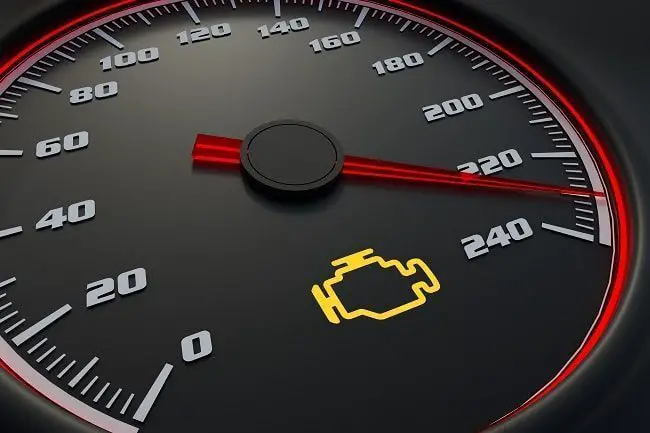
- !The check engine light is on. This warning could have been triggered for several reasons. The problem can be identified by performing a diagnostic scan.

HOW TO CHECK THE TRANSMISSION SYSTEM

How to perform a diagnostic scan:
- If the check engine light comes on, it would be wise to scan the system and decipher the diagnostic trouble codes (DTCs). You can do this using an OBD2 scanner. The device should help you determine operating factors such as temperature and transmission inputs and outputs.

- You will first need to locate the data link connector, which is usually located under the dashboard on the driver’s side. After turning off the vehicle, plug the diagnostic tool in using the connector.
- Once you have done that, turn on the vehicle and wait for the scanner to start up. You may need to turn it on using the power button. When the device is ready to use, you can click the scan button and follow the on-screen instructions. It will display a number of DTCs that indicate the problems detected by the onboard computer.
- Read the diagnosis carefully. You can look up the codes in the manual or online to decipher them.

Checking automatic transmission fluid:
- You can check the fluid level using a dipstick similar to the one used for oil. Many problems can be related to fluid levels and if there is not enough ATF, there is probably a leak. On the other hand, overfilling the reservoir can cause the fluid to foam, which puts more pressure on the components.
- Before checking the reservoir, make sure the car is parked on a level surface. Run the engine for a few minutes so that the fluid is warm enough. Most manufacturers will allow you to keep the engine running for this process.
Caution: Engine components and fluids will be hot, handle them with care.
- You can now remove the dipstick and clean it using a clean, lint-free cloth. Then put it back into the reservoir and remove it again to measure the fluid level. The marks on the stick will indicate if the ATF is low or if the reservoir is full.
- You should also check the color of the ATF. If it is clear and clean, it is still good to use. If it is black or brown, it is probably burnt and contaminated.
It is best to have manual fluid checked by a technician as it can be difficult to access and most manual vehicles do not have a dipstick for it.
RECOMMENDED REPAIRS AND TIPS