
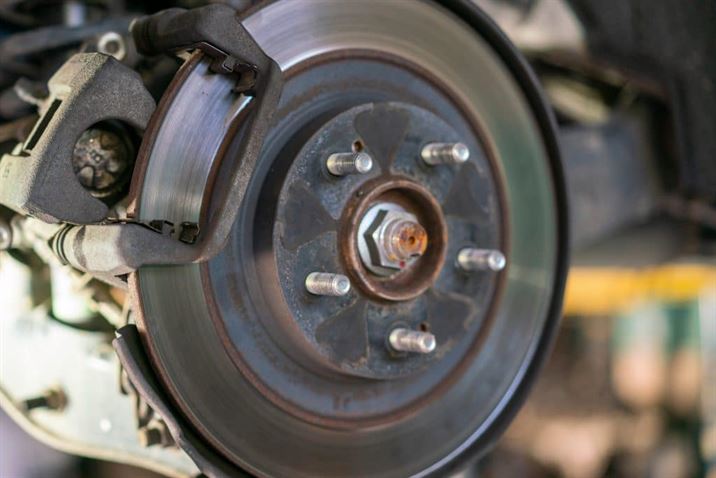
You are on the road and you notice signs of weakness coming from the rear wheel of your vehicle. It is important not to ignore these signs, as they could indicate a faulty rear bearing. When the rear bearing is damaged, it can cause serious safety issues and compromise the handling of your vehicle. Therefore, it is essential to take action quickly to resolve this problem. In this article, we will introduce you to the most common signs of a faulty rear bearing and give you advice on what to do when you identify them. We will also discuss the importance of regular maintenance and seeking the help of a professional to carry out the necessary repairs. Do not let a faulty rear bearing compromise your safety and that of others on the road. Be attentive to the signs and take appropriate measures to mitigate potential risks. Follow our tips and extend the life of your vehicle by keeping your rear bearing in good condition.
The Importance of Rear Wheel Bearings
Rear wheel bearings are often overlooked when it comes to maintaining a vehicle, but their proper functioning is essential for ensuring safe and smooth driving. These components play a crucial role in the proper functioning of the rear wheel, facilitating its rotation while supporting the vehicle’s weight and absorbing road shocks. Understanding the signs of faulty rear wheel bearings, as well as the steps to diagnose and replace them, is therefore essential for maintaining your vehicle’s performance and safety.
Common Signs of a Faulty Rear Wheel Bearing
Faulty rear wheel bearings can manifest in different ways. The most common signs include grinding or growling noises coming from the rear wheel, a feeling of play or vibration in the steering wheel or vehicle body, and impaired handling, especially during turns or braking. A visual inspection of the rear wheel may also reveal excessive play or signs of grease leakage around the wheel hub.
Diagnosing a Faulty Rear Wheel Bearing
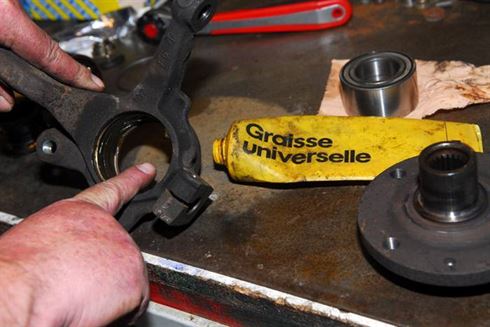
To diagnose a faulty rear wheel bearing, it is important to carry out a thorough inspection of the vehicle. This may include a visual check of the rear wheel, looking for any signs of damage or excessive play. Additionally, a road test can help identify abnormal noises or vibrations associated with a faulty bearing.
Steps for Replacing a Faulty Rear Wheel Bearing
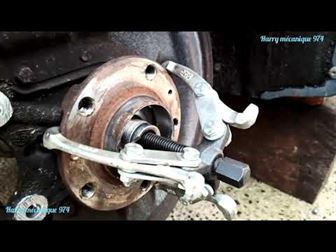
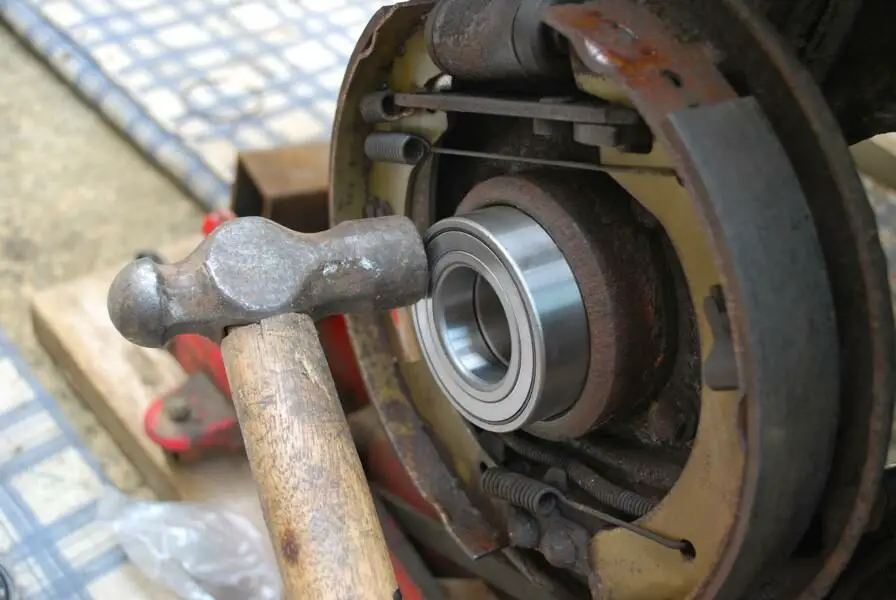
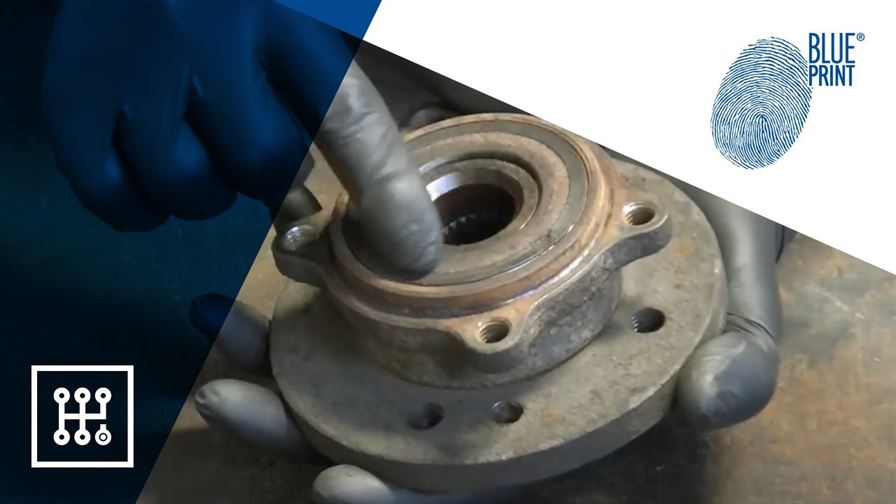
Replacing a faulty rear wheel bearing requires several steps. First, it is essential to lift and secure the vehicle properly. Then, the brake and suspension components must be disassembled to access the wheel hub. Once the hub is exposed, the faulty bearing can be removed using specific tools and then replaced with a new quality bearing. Finally, all parts must be reassembled carefully, and the braking system should be bled if necessary.
Tools and Materials Needed for Rear Wheel Bearing Replacement
To replace a rear wheel bearing, you will need specific tools and materials, including socket wrenches, pliers, a bearing puller, bearing grease, and seals. It is also recommended to have a workshop manual specific to your vehicle to guide you through the replacement process.
Seeking Professional Help for Rear Wheel Bearing Replacement
Although replacing a rear wheel bearing can be done by an experienced DIYer, it is often better to call a professional. Qualified mechanics have the knowledge and expertise needed to correctly diagnose problems, choose the appropriate replacement parts, and perform repairs safely and effectively. Additionally, using a professional can guarantee a warranty on parts and labor, providing extra peace of mind.
Preventive Maintenance of Rear Wheel Bearings
To extend the life of rear wheel bearings and avoid costly breakdowns, it is recommended to follow a regular preventive maintenance schedule. This may include periodic lubrication of the bearings, visual inspection of the rear wheels during every oil change, and immediate repair of any signs of damage or wear.
Cost of Replacing Rear Wheel Bearings
The cost of replacing rear wheel bearings can vary depending on several factors, including the type of vehicle, make and model, as well as the labor required to perform the repairs. Generally, replacing a rear wheel bearing can cost between X and Y dollars, including the price of parts and labor.
Conclusion
In conclusion, rear wheel bearings play a crucial role in the proper functioning and safety of a vehicle. Understanding the signs of faulty bearings, as well as the steps to diagnose and replace them, is essential for ensuring safe and worry-free driving. By following a regular preventive maintenance program and relying on a qualified professional when necessary, you can extend the life of your rear wheel bearings and avoid costly breakdowns on the road.