
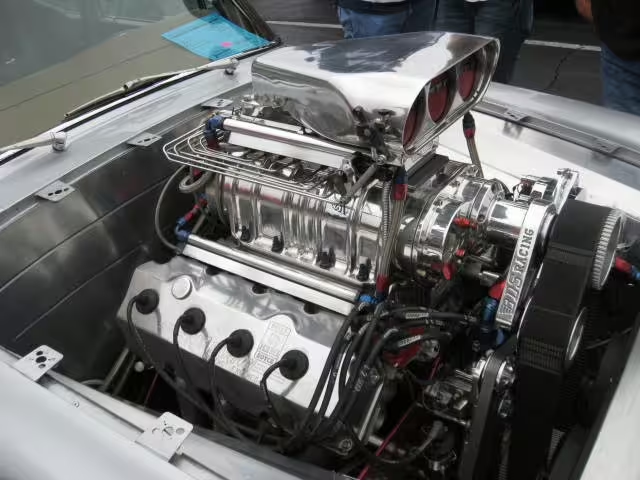
The engine is considered the heart or center of the vehicle. It’s what powers the car and gives it everything it needs to function properly. Imagine how a car would work if it wasn’t functioning properly. If we assume that the car is our body and the engine is our heart, we can better understand things. How would a man whose heart isn’t working properly function? Well, the body won’t be able to deliver optimal performance and value. The same goes for the car! When the engine fails or you notice signs of a faulty engine, it’s reflected in the vehicle’s performance.
The term “faulty engine” is meant to be very generic. It can be used differently by each person. So, it’s necessary to understand this issue to know how the engine failed. Let’s delve deeper into understanding what this means for people.
Signs of a Bad Engine: What’s Happening Under the Hood?
There are tons of things happening inside the hood that might not always be visible to you. So, any mechanism would show certain symptoms from time to time to alert you to a problem before it’s too late. Here are some signs indicating that the car is showing signs of engine failure.
1. Sluggish Engine Power
One of the signs you’ll notice is that the engine struggles to run at a normal pace. When this happens with your vehicle, you need to understand that an internal engine fault is disrupting the performance of the entire car. You might observe some signs of a faulty engine, including a vehicle shaking at high speeds or difficulties accelerating, etc. If the engine is causing too many problems, it’s mandatory to have it checked by a professional, just like we do when our body isn’t functioning well.
2. Bad Smell Inside
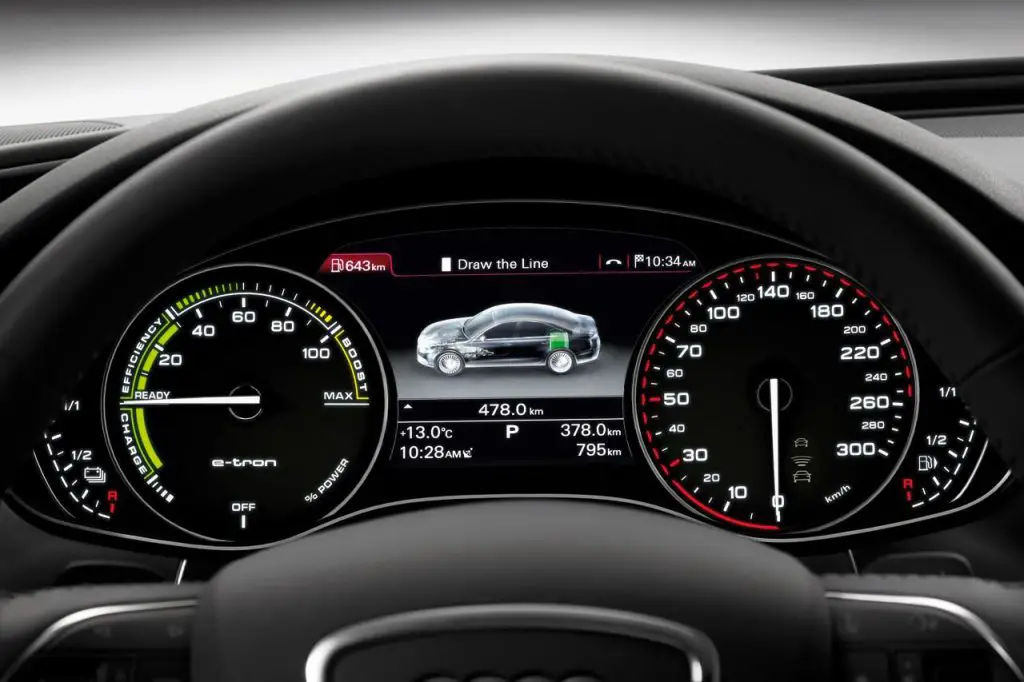
The smell of a vehicle’s exhaust gases should always be noticed outside the vehicle. But if it happens the other way around, consider it a sign of a damaged engine. The strong smell of exhaust gases inside the car is something no one would want to experience. So, it’s always advisable to take your vehicle to a professional so they can check it properly, from the inside out. Ignoring such smells inside the vehicle would surely be a bad decision. A bad smell is one of the main symptoms of a bad engine that requires your attention.
3. Strange Sounds
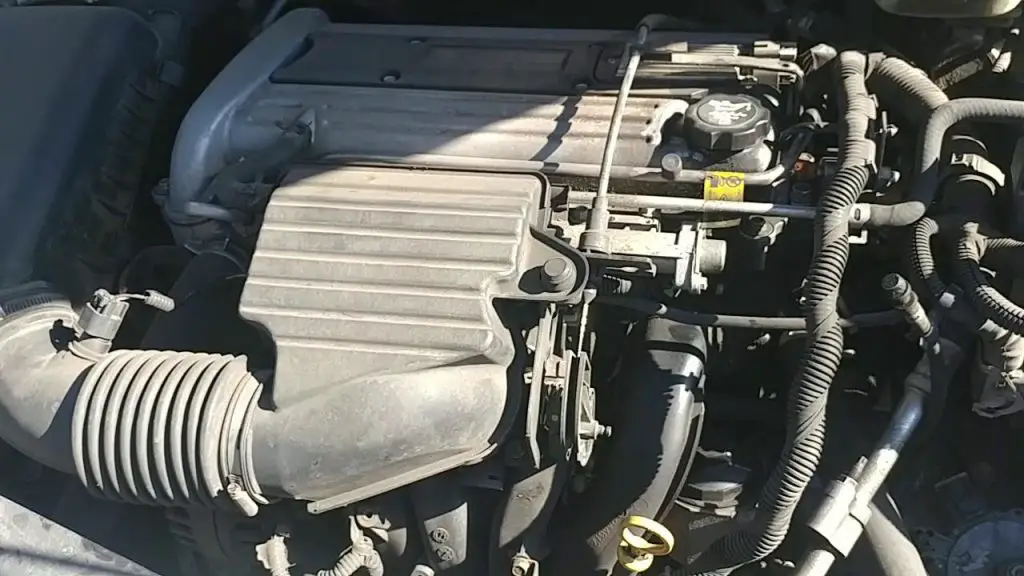
How do you know if the engine is dying? A knocking noise from under the hood is one of the signs of a failing engine. Generally, it’s a fault in the mechanical parts of the engine, including pistons, moving parts, and other bearings. If this is also happening with your car, it’s time to take your vehicle to a reliable professional and have it checked immediately. If you choose to ignore this noise, you’ll have no choice but to live with a broken-down car. It’s always better to detect the problem early to make the best decision possible. Seek maintenance tips from experts if necessary!
4. Smoke from the Exhaust Pipe
There can be different reasons why the exhaust produces smoke. But how do you know if the engine is failing? Well, if the smoke is black, it’s a sign of a problem in the engine. It also means your vehicle is burning too much fuel, which will eventually affect your wallet. The issues could include a damaged air filter, a mechanical problem, or perhaps a clogged fuel return line. Most people usually don’t pay attention to black smoke coming from their vehicle. But the fact is you should, and that’s how you can keep your car running longer.
5. Engine Lights On
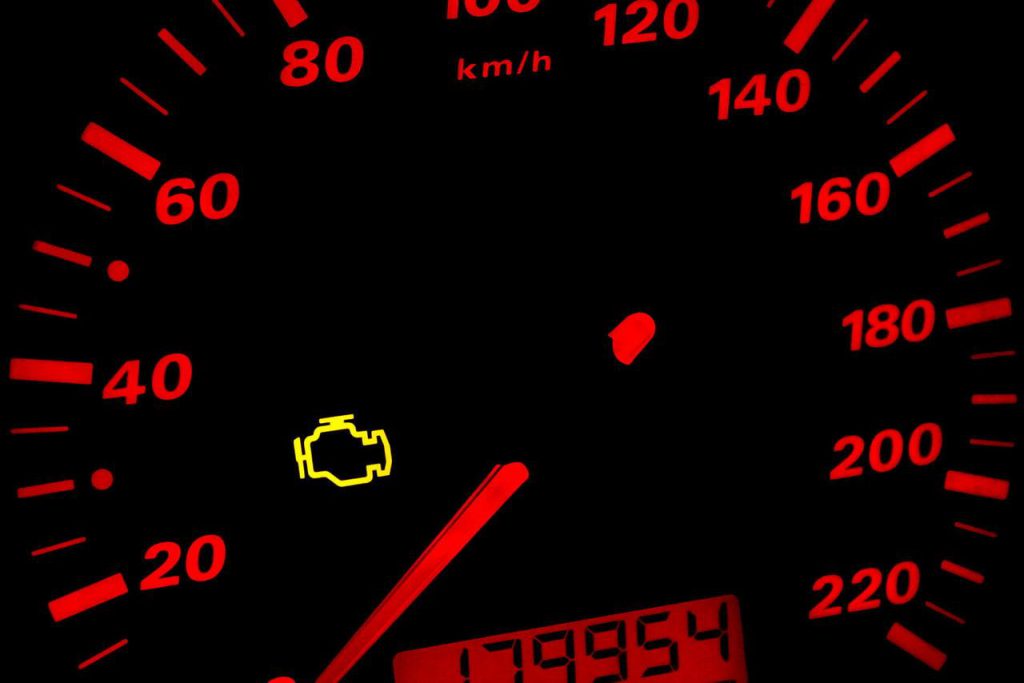
If there’s a problem with the engine, the dashboard warning lights stay on to alert you to the potential issue. Yes, your vehicle will try to show you the problem in every possible way. Then it’s up to you to decide how to handle it. Taking immediate action to fix the problem will surely help, and if you do nothing, your car will suffer. It’s one of the main symptoms of car engine failure you need to know about.
6. Faulty Spark Plug
Spark plugs are the last part of the ignition system that comes into direct contact with the combustion chamber in gasoline cars. Spark plugs are often used to create ignition between two terminals to ignite a mixture of gas and fuel under high pressure.
By observing the spark plugs, it’s possible to assess the performance of a car engine. If the tip of the spark plug is golden brown (or brick red), it means the ignition system is working effectively and the engine operation is quite normal.
However, if the spark plug turns black, it means there’s a problem with the gasoline engine. This condition can be due to reasons such as a clogged or dirty air filter, an expired spark plug wire, a worn piston, a damaged carburetor, or an oil leak in the cylinder…
Additionally, white spark plugs are a sign of engine overheating. The cause could be due to inappropriate ignition timing, issues with the engine cooling system, lack of fuel…
Conclusion
The 6 signs of car engine problems mentioned above can help drivers quickly identify and diagnose common types of errors so they can handle them in a timely manner. When these signs of a bad engine appear, make sure to pay attention to them and get rid of them as soon as possible. After all, that’s what will keep your car running for years.