

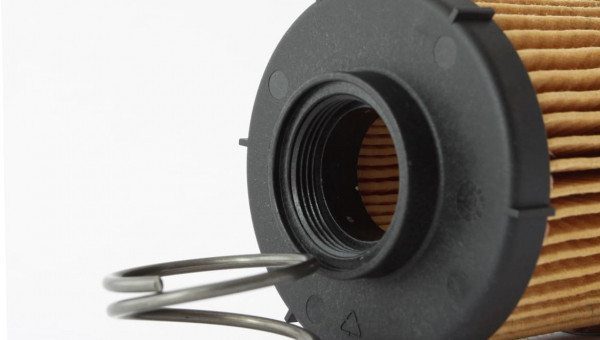
Replacing a fuel filter is not listed as a regular maintenance item on most vehicles, and in these cases,
it generally does not need attention unless it is diagnosed as the cause of hard starting, power loss, hesitation, or similar issues.
However, some car manufacturers, including Volkswagen, Subaru, and Mercedes-Benz, recommend periodic replacement of the fuel filter. VW, for example, says to replace it every 20,000 miles on many current models, and Subaru says you should install a new one every 60,000 miles. Mercedes typically recommended replacing a new filter every 30,000 miles, but most current models say to change it every 150,000 miles or 15 years.
Whether a fuel filter requires periodic maintenance may also differ by model or engine of the same manufacturer. On most Ford vehicles, for example, the fuel filter is not mentioned in the maintenance schedule. If you drive an F-250 van with a diesel engine, however, Ford requires that both fuel filters (one on the engine, another on the chassis) be replaced every 15,000 miles. Other manufacturers may have similar recommendations for their diesel engine fuel systems; check with yours to ensure you replace the filter at the correct intervals.
If the fuel filter is not listed as a maintenance item, the filter may be integrated into the fuel pump inside or on the fuel tank. To replace it, you must replace the entire setup.
The filter is supposed to catch and remove contaminants and impurities from the fuel line that could damage the engine. Sediments can enter a vehicle’s fuel tank when you pump fuel from the bottom of a storage tank at a gas station, which can clog the filter or restrict fuel flow.