
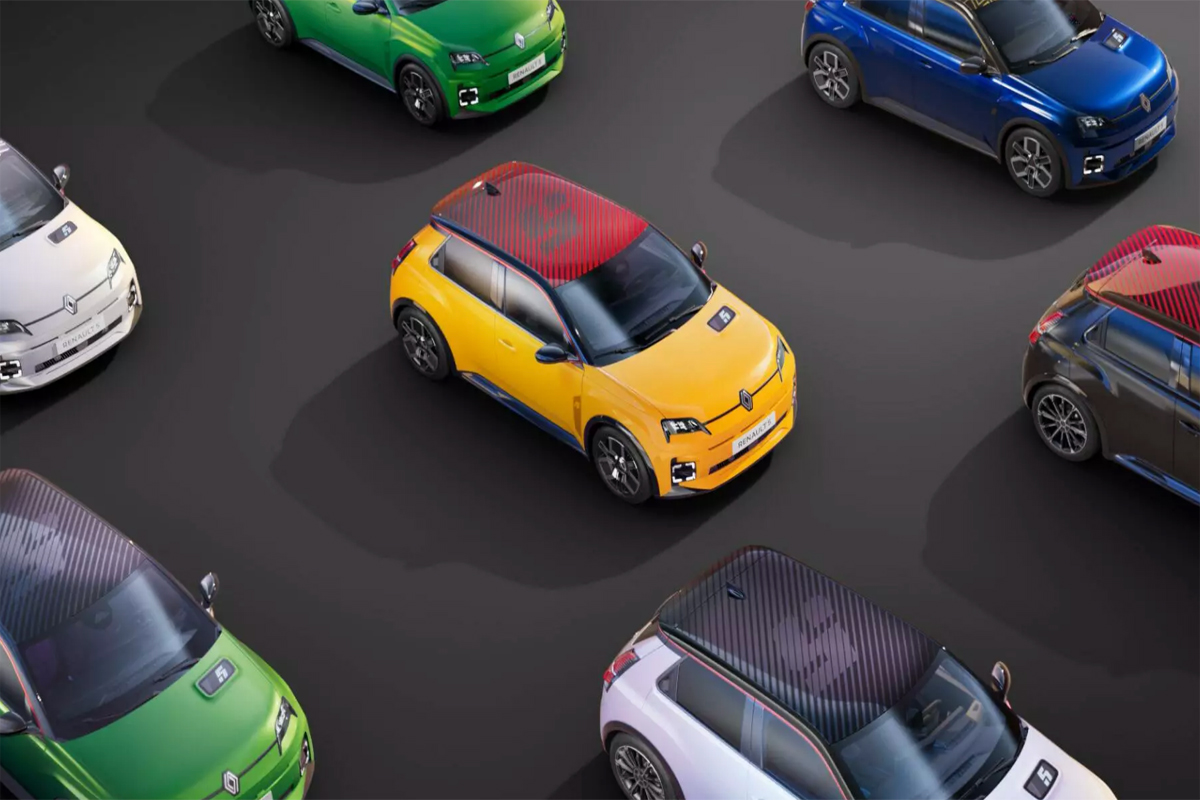
The Rise of Neo-Retro Automotive Design
Automotive design has always been a polarizing subject, with aesthetic preferences varying dramatically across different demographics. However, the neo-retro movement has emerged as a significant trend in the contemporary automotive industry, particularly within the electric vehicle segment. This design philosophy masterfully blends nostalgic elements with modern technology, creating vehicles that evoke emotional connections while delivering cutting-edge performance.
Renault’s Design Heritage Meets Innovation
Renault has strategically embraced this neo-retro approach by reimagining its iconic historical models through a contemporary lens. The French automaker’s design team carefully studies classic silhouettes and distinctive features from beloved past models, then integrates them with the unique requirements of electric vehicle architecture. This results in vehicles that feel simultaneously familiar and futuristic, appealing to both traditional enthusiasts and modern EV adopters.
Electric Vehicles as Canvas for Retro Design
The transition to electric powertrains presents unique opportunities for neo-retro styling. Electric platforms offer greater design flexibility with their compact motors and battery placement, allowing designers to recreate classic proportions that were previously constrained by internal combustion engine requirements. Renault leverages this advantage to develop vehicles that capture the spirit of iconic models while incorporating aerodynamic efficiency and sustainable materials essential for modern electric vehicles.
Market Position and Consumer Appeal
This design strategy positions Renault uniquely in the competitive electric vehicle market. While many manufacturers focus exclusively on futuristic aesthetics, Renault’s neo-retro approach creates an emotional bridge between the brand’s rich heritage and its electric future. The visual storytelling through design elements helps consumers connect with electric vehicles on a deeper level, potentially accelerating adoption among those who might otherwise hesitate to transition from traditional automobiles.
Sustainable Innovation Through Retro Inspiration
Beyond aesthetics, Renault’s neo-retro electric vehicles represent a holistic approach to sustainable mobility. The company integrates advanced recycling technologies and eco-friendly production methods while maintaining design elements that celebrate automotive history. This balanced perspective demonstrates how automotive heritage can inspire innovation rather than hinder progress, creating vehicles that honor the past while driving toward a cleaner automotive future.