
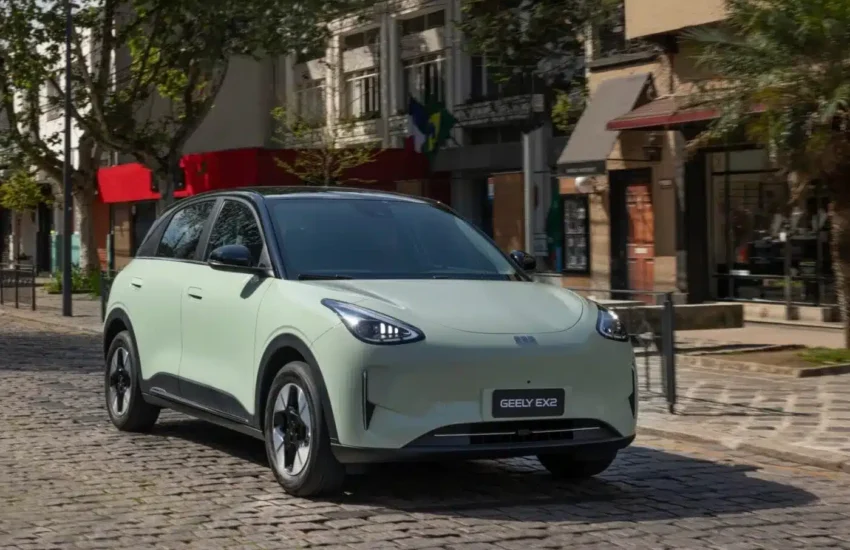
Strategic Alliance in the Electric Vehicle Market
Renault is set to manufacture an electric vehicle engineered by Chinese automotive leader Geely, signaling a pivotal shift in global automotive partnerships. This collaboration underscores the evolving strategies automakers are adopting to stay competitive in the rapidly expanding electric vehicle sector. By leveraging Geely’s expertise in EV technology, Renault aims to accelerate its electrification goals and tap into cost-effective production methods.
Driving Factors Behind the Partnership
The decision to produce a Geely-designed electric car stems from Renault’s need to enhance its EV portfolio without incurring the high costs of independent development. Geely’s proven track record in electric mobility, including successful models and battery innovations, offers Renault a shortcut to market relevance. Additionally, this move allows Renault to access advanced Chinese supply chains, potentially reducing manufacturing expenses and shortening time-to-market for new vehicles.
Implications for the Global Automotive Industry
This partnership highlights a broader trend of Western automakers collaborating with Chinese firms to bridge technology gaps and capitalize on economies of scale. It reflects the increasing importance of strategic alliances in an industry dominated by electric transitions and sustainability mandates. For consumers, this could mean more affordable and diverse electric vehicle options, while competitors may face pressure to form similar cross-border ventures to maintain their market positions.
Challenges and Opportunities Ahead
While the alliance presents significant advantages, it also involves navigating regulatory landscapes and cultural differences. Renault must ensure that the vehicles meet stringent European safety and environmental standards, which may require adaptations to Geely’s original designs. However, the collaboration opens doors for shared R&D, potentially leading to breakthroughs in battery efficiency and autonomous driving features that could benefit both companies in the long run.