
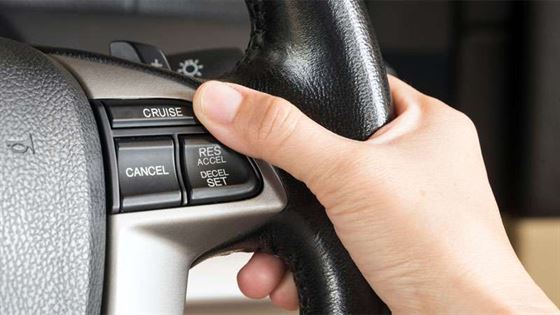
Cruise control has been around since the late 1950s. There was a time when this convenient feature could only be found in a few vehicle models. Nowadays, it seems that almost every vehicle model on the road is equipped with cruise control.
The failure of cruise control to engage might seem like a trivial problem, but the inability to activate this convenient function can certainly hinder any car journey. Even though cruise control failures “rarely” pose safety risks, it is necessary to determine the root cause to restore its use. Let’s look at the common causes of cruise control malfunction.
Cruise Control Problems (Acceleration or Maintaining Speed)
If the cruise control malfunctions and stops working completely, you might not think it’s an immediate problem. You will probably understand that you can no longer use the cruise control until the issue is resolved.
However, your cruise control problem could also be related to an acceleration issue. Indeed, some cruise control components can have a detrimental effect on acceleration if these components are faulty. That’s why you need to be aware of the causes of cruise control problems.
Common Causes of Cruise Control Malfunction
There are several possible causes for cruise control malfunction. Below are the 6 most common causes. Check each of these areas and see if they are the source of your cruise control problem. In many cases, the solution to the problem is neither that complicated nor that expensive.
1) Cruise Control Switch
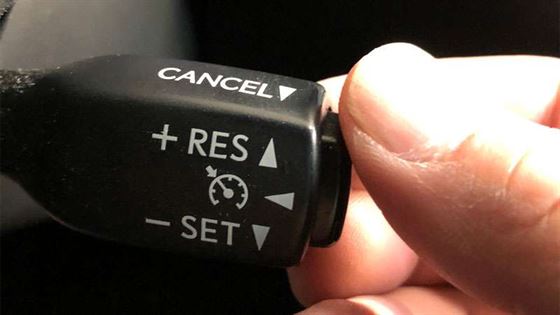
The cruise control switch is what you use to set your cruising speed. This information is transmitted to the engine computer and the cruise control module to maintain the acceleration speed.
If the contacts inside the cruise control switch were to wear out, the module and unit might not receive the necessary speed information they need to maintain acceleration. In response, the system will shut down completely and cancel the currently set cruise acceleration.
2) Brake Light Switch

Normally, you press the brake pedal to disengage the cruise control. For this to happen, the brake light switch must be detected by the cruise control system.
If it fails to detect the switch, the cruise control will automatically disengage until the brake light switch problem is resolved.
A faulty brake light switch can also cause your brake lights to stay on.
3) Blown Fuse
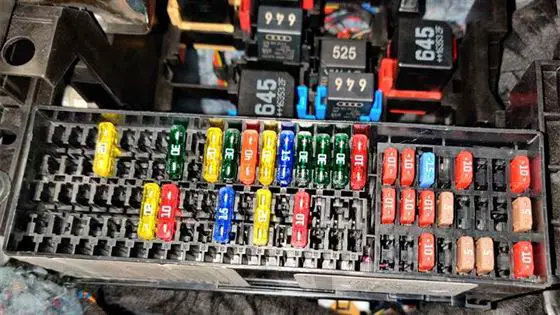
The electrical components of the cruise control system are protected by fuses. Like inside your home, it’s possible to blow a fuse. This will cause the cruise control system to shut down until the fuse is replaced.
4) Check Engine Warning Light
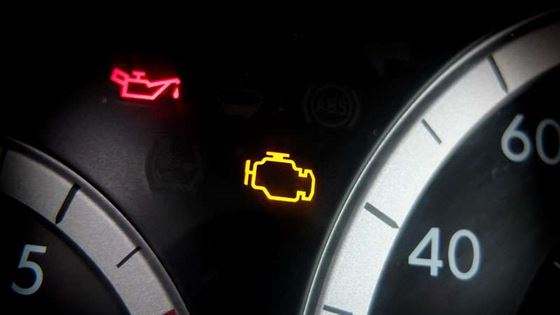
If the check engine light comes on, it usually means there is a problem with your transmission or engine. Once the engine control unit detects this problem, it may disable your cruise control system in response as a safety measure.
Until you fix the engine problem, the cruise control will remain disabled.
5) Vehicle Speed Sensor
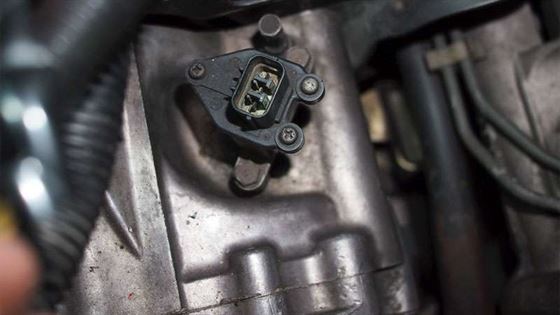
Most vehicles have a few speed sensors to transmit information about the vehicle’s speed to the engine control unit and the cruise control module. The only way your cruise control module knows how fast the vehicle is moving is if the vehicle speed sensors send it this information.
If the module fails to detect the speed due to faulty speed sensors, the cruise control system automatically shuts off.
6) Electrical Problems

Several electrical components are connected to the cruise control system. Connectors, wiring harnesses, and ground straps are definitely components you need to check when the cruise control stops working.
Make sure the voltage source is still powering the system as well. If any of these components are loose or damaged, it would explain why the cruise control is not working.
7) Loose or Broken Cruise Control Cable

Older vehicles equipped with cruise control have two throttle cables: one for the accelerator pedal and one for the cruise control system.
These cables can stretch over time. If the cruise control cable is stretched or is broken, the cruise control system will not be able to operate the throttle properly.
Adaptive Cruise Control Specific Problems
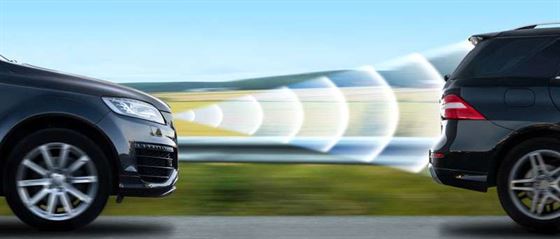
Adaptive cruise control offers an extra layer of convenience while driving, as it adjusts your vehicle’s speed based on the distance to the car ahead of you. However, this presents additional causes of cruise control failure.
One issue you might face is obstructed sensors. Radar and cameras are important components of the adaptive cruise control system. When there is dirt, debris, or ice covering these sensors, your cruise control may stop working. To prevent this, regularly clean your vehicle’s sensors, ensuring they are not obstructed.
Furthermore, faulty cameras could also be the cause. If the cameras are not working correctly, an error warning may appear. It is best to have this checked by a professional to determine if the cameras need to be repaired or replaced. Hopefully, this is not the case, as it is an expensive replacement.
Besides cameras, adaptive cruise control relies heavily on radar technology for its proper operation. A misaligned or faulty radar sensor can lead to erratic behavior of your system. Again, consult a qualified technician to diagnose the issue and, if necessary, recalibrate or replace the radar system.
Safe Driving Without Cruise Control
When cruise control systems fail, it’s hard to adapt to managing speed without the steady pace it provides. But you can do certain things.
- Focus on checking the gauges more frequently to stay actively aware of the mph.
- Avoid limiting yourself to long trips.
- Set phone alerts every few miles to remind you to check the current traveling speed.
- Be familiar with highway speed limits, so mental comparison with them continues subconsciously.
- Take frequent breaks by stretching your legs to re-energize your vigilance until you can diagnose the cruise faults.
- Consider other adaptive cruise technologies equipped on newer vehicles if financially viable, allowing for automated gradual slowing when closing distances on lead cars.
- Stay alert to the distances of lead cars and your own speed fluctuations.
- Use open lanes with fewer surrounding vehicles if possible, thereby reducing the need for continuous minor adjustments.
- Stay vigilant with renewed attention and defensive awareness without the automated convenience of cruise control until repairs are completed.
Identifying Intermittent Faults
When cruise controls experience occasional but repeated failures, meticulously recording each malfunction instance helps uncover patterns guiding towards root causes.
Date and time each cut-off or disengagement that occurs upon activation. Detail all environmental or operational conditions present, such as: weather, bumpy or smooth roads, stop & go traffic versus highway speed.
Reviewing complete repair histories along with these event logs indicates whether previously replaced components only provided temporary fixes before subsequent failure later. Share documented patterns on when and how interruptions occur with workshop technicians to guide their follow-up on the circuit and component testing.
The goal is to determine if specific elements such as an old switch, wire insulation, or solder joint chronically break down only under certain temperature, vibration, or usage stress thresholds.
How Does Cruise Control Work?
If you normally drive long distances, especially on the highway, cruise control allows you to take your foot off while the car maintains the same speed, giving your leg a rest. It might seem like just a luxury feature rather than a necessity, but many people rely on it for safe driving.
There are several different types of cruise control systems, but all implementations share similar basic components. There is a sensor to measure the vehicle speed, a throttle position sensor, and a mechanism to control the throttle without using the accelerator pedal.
The outputs from the speed and throttle position sensors allow the engine computer to determine how much the throttle needs to open or close to maintain speed.
Cruise control systems may also use sensors in the transmission, taking into account the current gear and engine vacuum. The throttle position will be different in each gear at a given speed, especially when driving uphill.